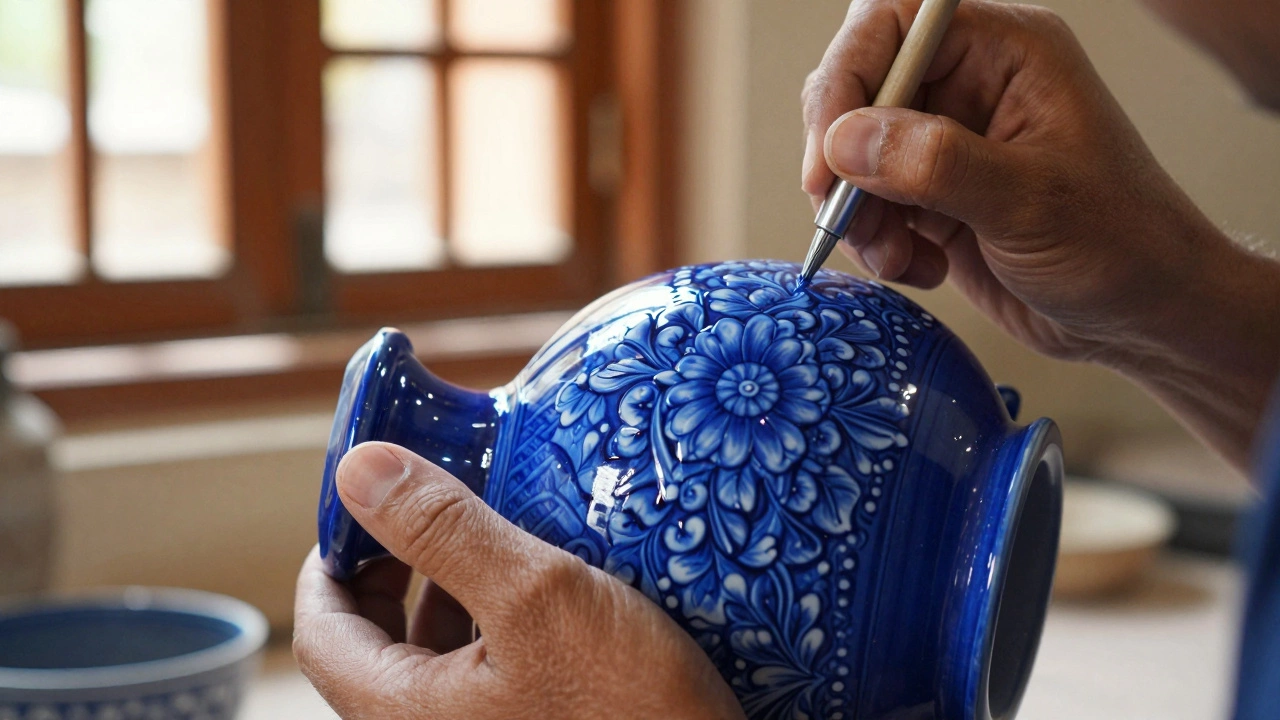
Rajasthan Handicrafts: Top 5 Famous Crafts Explained
Discover Rajasthan's most famous handicrafts, from vibrant Jaipur Blue Pottery to intricate block printing. Learn about their history, craftsmanship, and where to find authentic pieces today.
When you think of handicrafts, handmade artistic objects created using traditional techniques and local materials, often passed down through generations. Also known as traditional crafts, they are more than just decorative items—they’re living records of India’s regional identities, spiritual beliefs, and daily life. Every piece tells a story: the weave of a Banarasi silk, the blue glow of Jaipur pottery, the swirling lines of Gujarat’s Rogan art. These aren’t mass-produced goods. They’re made by hands that learned from their grandparents, using tools unchanged for centuries.
Handicrafts folk art, artistic expressions rooted in community traditions and local customs, often tied to rituals or seasonal events are deeply connected to the land. In Rajasthan, puppet makers carve wooden figures that dance in village theaters. In Kashmir, women stitch pashmina shawls so fine they can pass through a ring. In Tamil Nadu, bronze statues are cast using the lost-wax method that dates back over 4,000 years. These aren’t just crafts—they’re cultural survival. The Indian artisans, skilled craftspeople who preserve and produce traditional handmade goods, often working in family-run workshops across rural and urban India don’t just make things. They keep history alive. And when you buy a handmade item, you’re not just getting a product—you’re supporting a lineage.
What makes Indian handicrafts so powerful is how they blend beauty with meaning. The lotus, India’s national flower, isn’t just pretty—it’s sacred. You’ll find it carved into temple doors, painted on textiles, and molded into brass lamps. Rogan art from Gujarat uses natural dyes and bamboo sticks to create mirror-like patterns that once adorned wedding clothes. Each technique has rules, symbols, and rituals behind it. These aren’t random designs. They’re coded language. And today, these crafts face real challenges: younger generations moving to cities, cheap imports flooding markets, and rising material costs. But they’re not fading. They’re adapting. Artisans are teaching online, selling directly, and blending old styles with modern tastes.
What you’ll find in the articles below isn’t just a list of crafts. It’s a guide to understanding what makes each one unique—where they come from, how they’re made, and why they matter. You’ll learn which states are true powerhouses of handmade art, how to spot real craftsmanship versus factory copies, and which pieces carry the deepest cultural weight. Whether you’re looking to buy, collect, or simply appreciate, these stories will show you the heart behind every handmade object.
Discover Rajasthan's most famous handicrafts, from vibrant Jaipur Blue Pottery to intricate block printing. Learn about their history, craftsmanship, and where to find authentic pieces today.
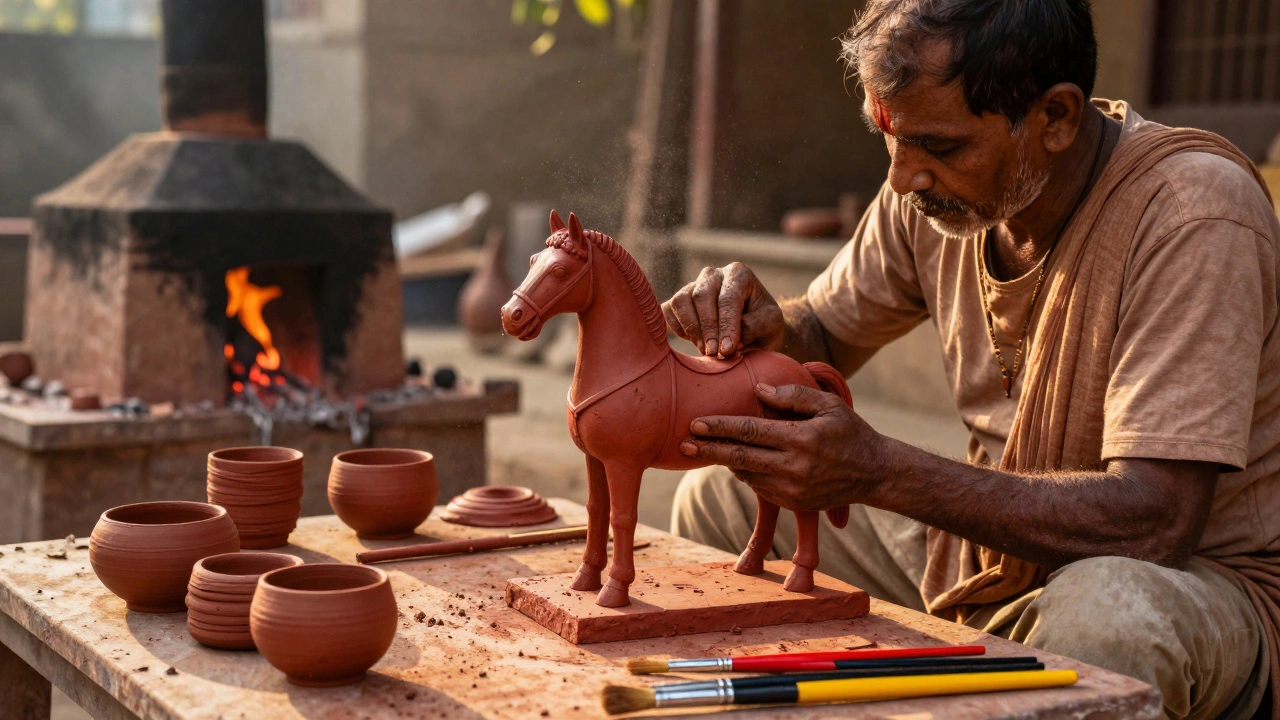
West Bengal is home to some of India’s most cherished handicrafts, including the Bankura horse, Kantha stitch, Shantiniketan paintings, terracotta art, and sholapith carvings. Each craft tells a story passed down through generations.
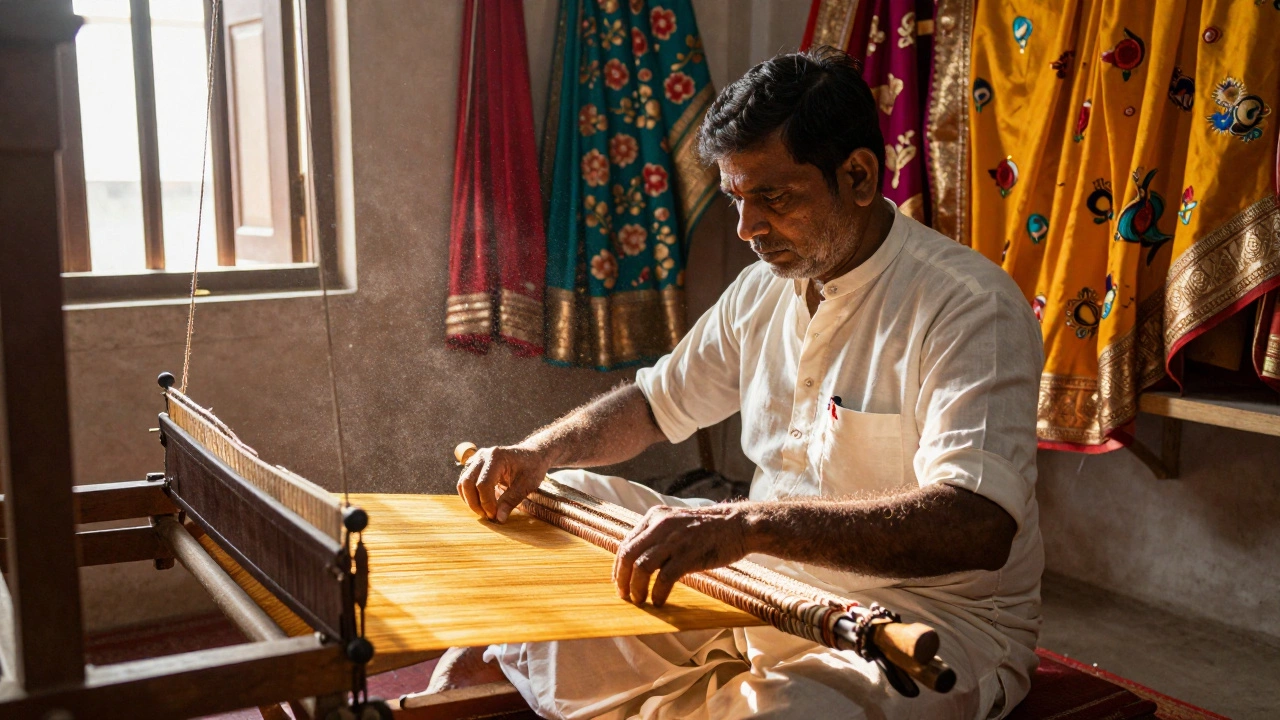
The most famous product of India isn't a tech gadget-it's its handmade crafts. From Banarasi silk to Pashmina shawls and Madhubani paintings, these are living traditions that carry centuries of skill and culture.
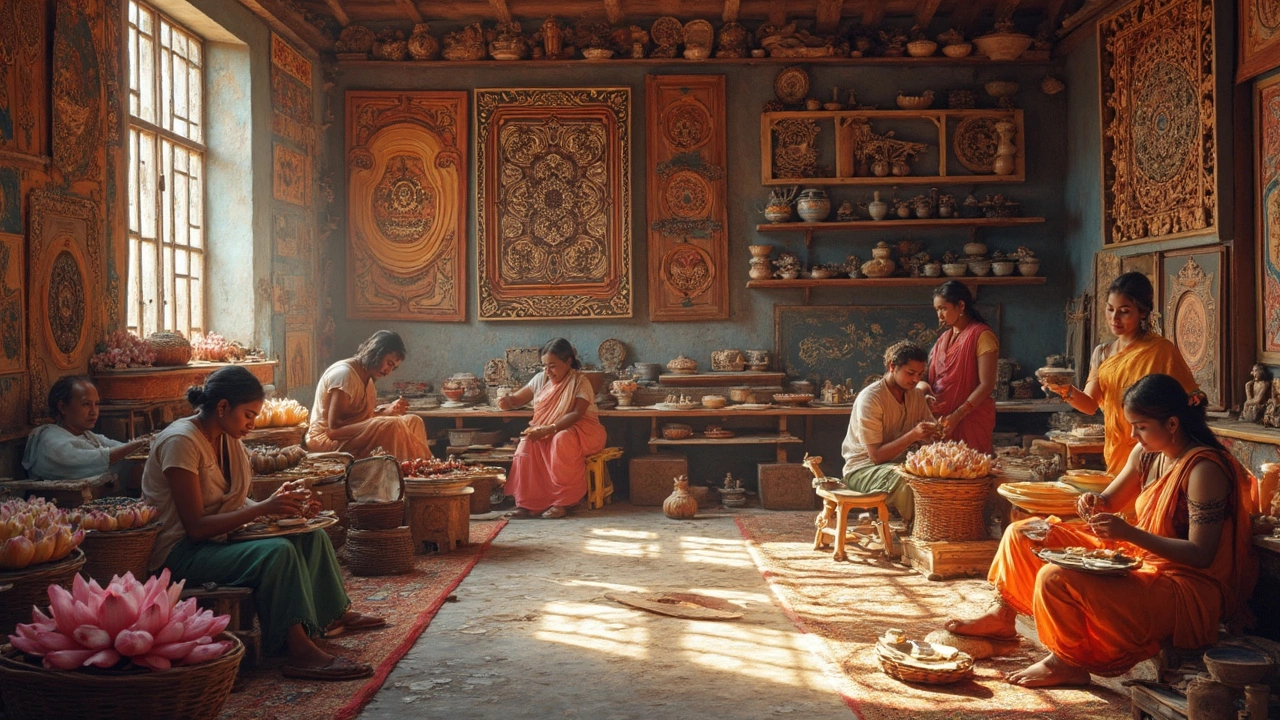
Curious why the lotus is India's national flower? This article explains its cultural and historical significance, why it stands out among thousands of plant species, and how it inspires endless designs in Indian handicrafts. You'll discover fun facts about the lotus, see how craftspeople use its image in their work, and pick up real tips for adding a lotus touch to your projects or home decor. Whether you're a craft lover or just intrigued by Indian symbols, you'll get everything you need to know.
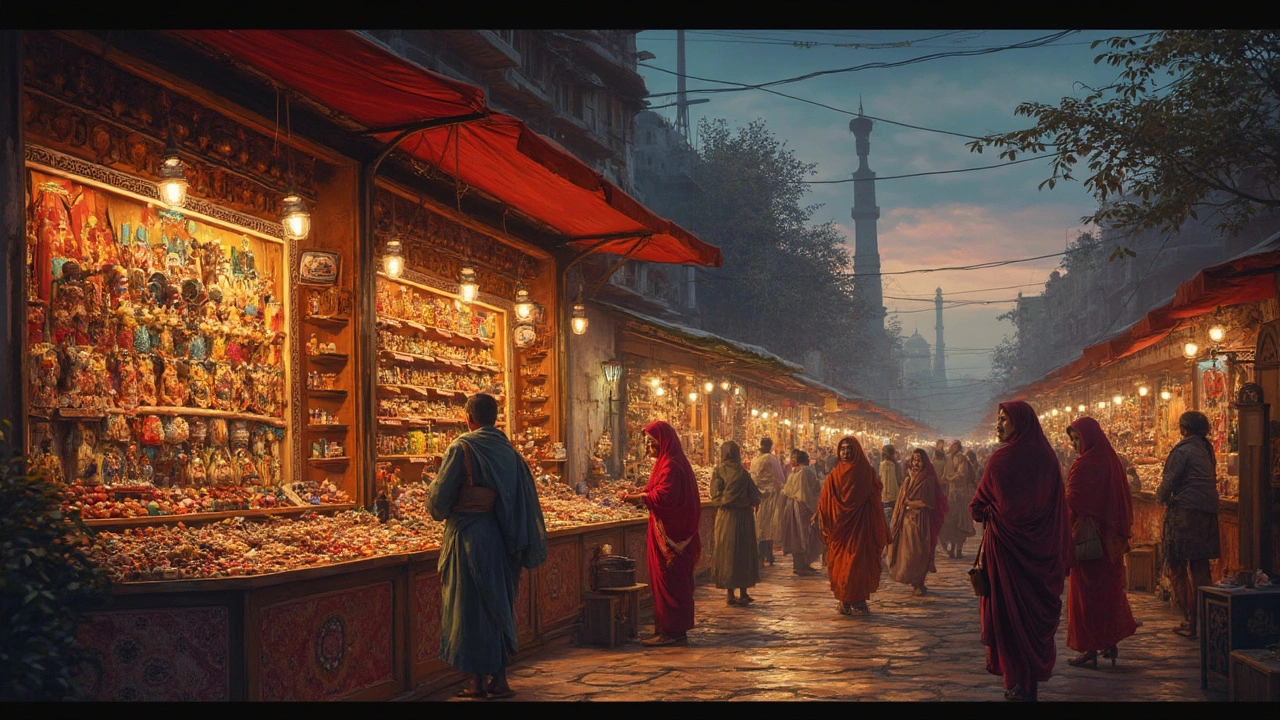
Ever wondered which part of India stands out for its handicrafts? This article explores the states that have made India a global name in handmade arts, from Rajasthan’s lively puppets to Kashmir’s delicate embroidery. Find out what makes each region's crafts unique, cool facts about artisans’ lives, and tips for spotting real handmade items. Perfect read whether you’re a collector or planning your next trip. Dive into the vibrant world of Indian handicrafts.
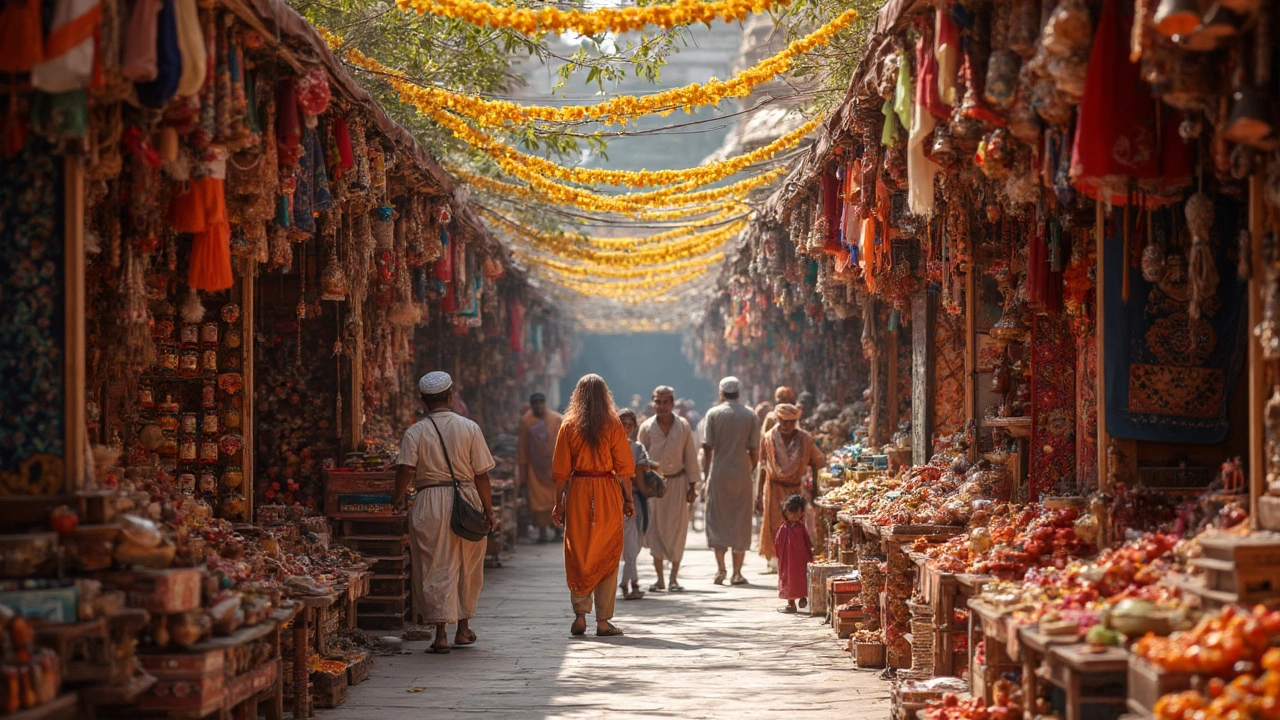
This article breaks down the vibrant world of India's cultural crafts, shedding light on traditional art forms. It highlights the stories behind these crafts, famous regions, and ways to support local artisans. Expect tips on what to look for when buying Indian handicrafts and why they matter more than ever today. Practical advice makes the article handy for travelers, collectors, and anyone curious about Indian culture. You’ll get a real taste of how these crafts keep centuries-old skills alive.
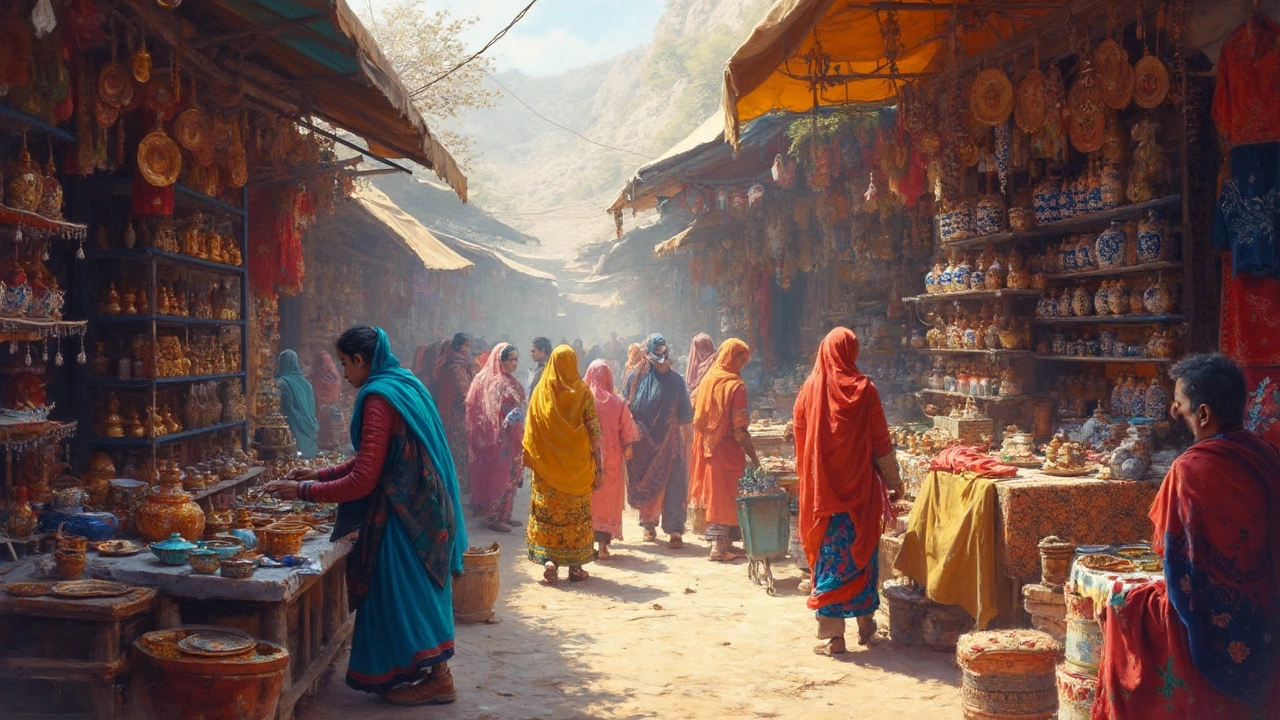
This article explores the iconic handicrafts India is famous for, breaking down regional highlights and unique techniques. Discover why products like pashmina shawls, blue pottery, and brassware have become household names worldwide. Get tips on spotting genuine crafts and ideas for bringing a piece of India home. Perfect for fans of traditional art, travelers, or anyone curious about India's rich craft heritage. Packed with facts, practical advice, and real-world buying tips.
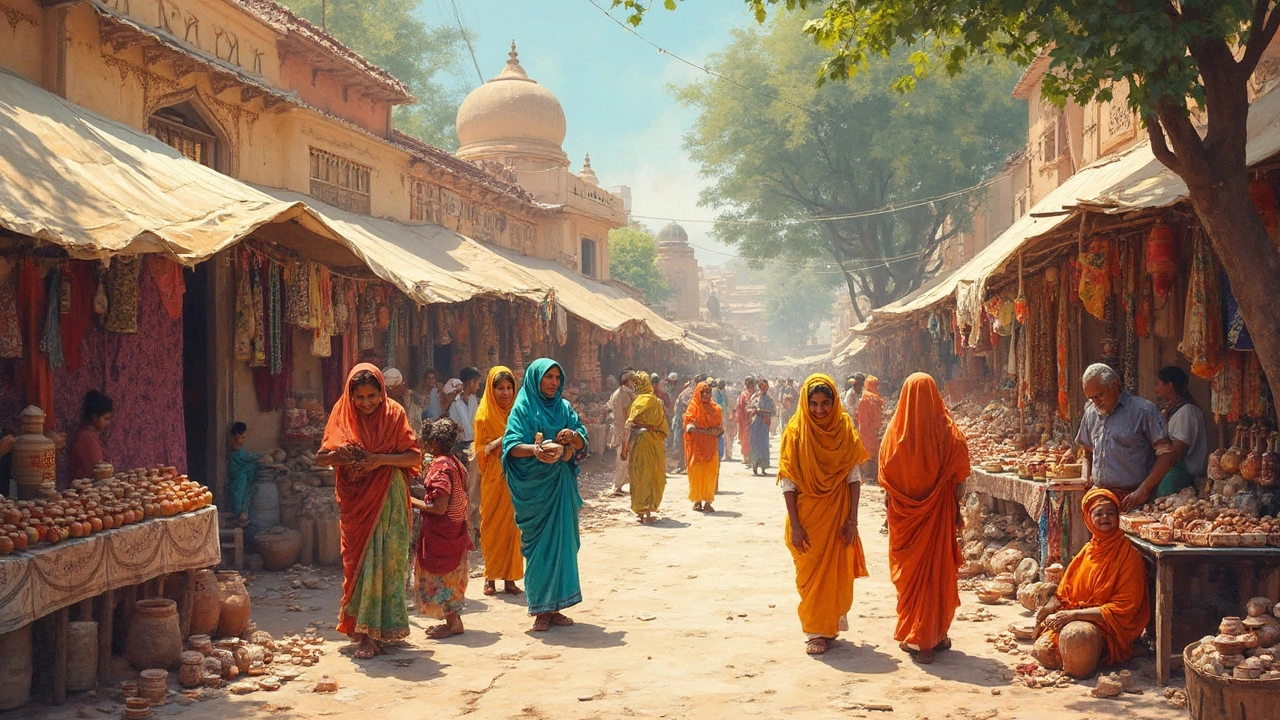
Discover the rich world of traditional crafts in India, from ancient pottery and intricate textiles to unique folk arts. This article explores age-old techniques passed down through generations and the stories behind famous regional crafts. Get tips on recognizing authentic handicrafts and supporting local artisans. Uncover fun facts and practical advice for starting your own craft collection. If you're curious about Indian culture and handmade artistry, this read has plenty to offer.
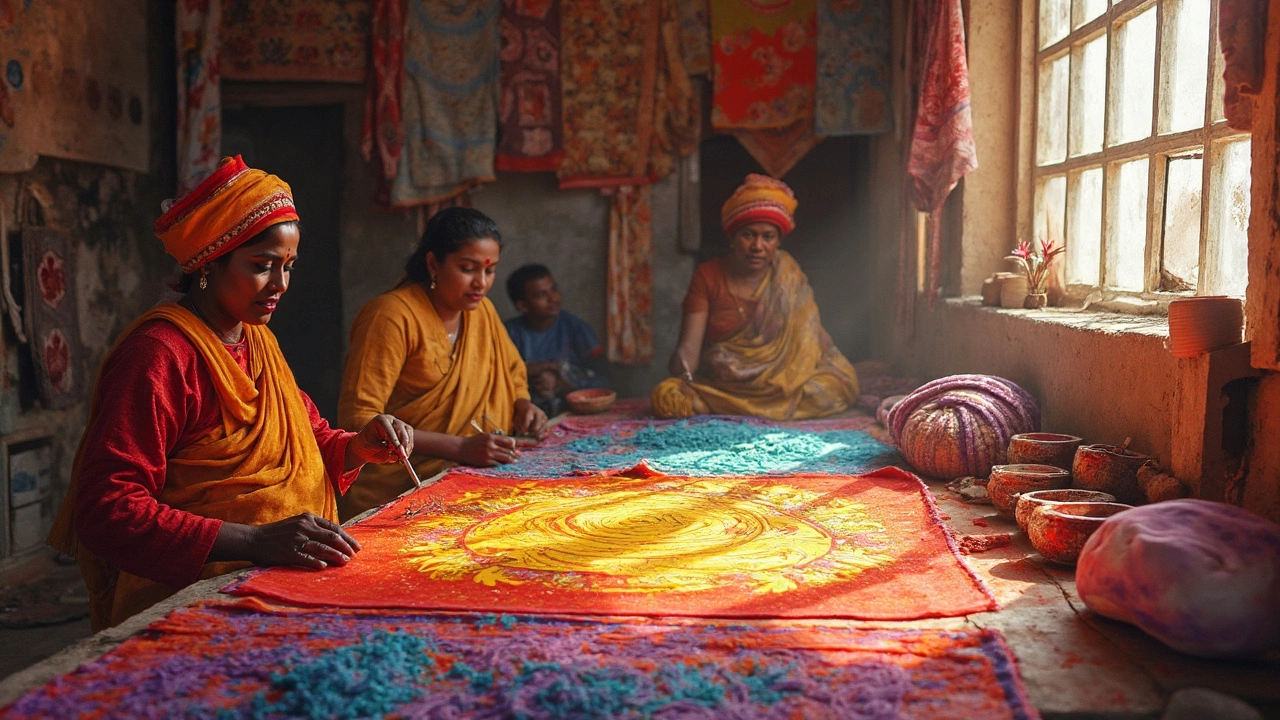
Gujarat is home to some of India's most famous paintings, with Rogan art and Pithora painting standing out for their history and style. These traditional art forms aren't just old museum pieces—they're still made today by skilled artisans using methods passed down for generations. The article breaks down what makes Gujarat's paintings unique, how they're created, and where you can find or buy authentic pieces. You'll also get tips on spotting real artwork and helping support local artists. If you want to know what painting puts Gujarat on the world map, this guide has you covered.
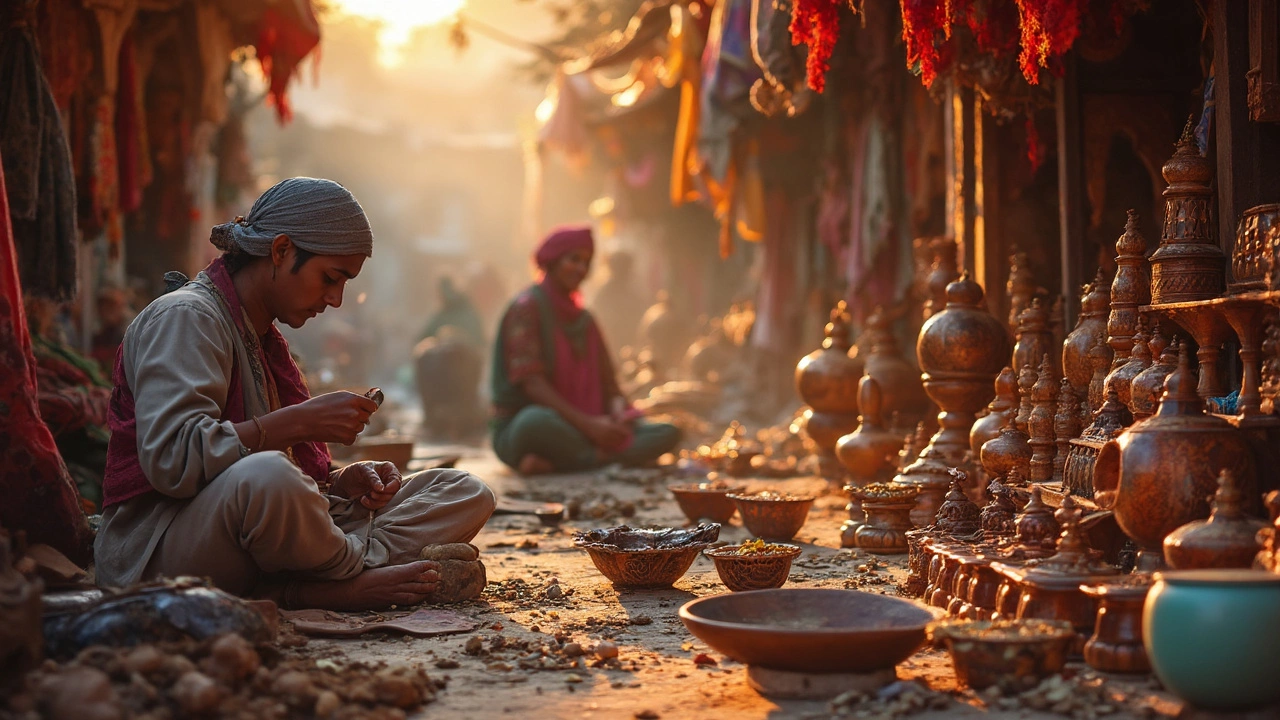
Indian handicrafts are as diverse as the country itself, with each state having its own distinctive craft. The uniqueness of these crafts lies in the rich cultural heritage and traditional artistry passed down through generations. Among these, one particular craft stands out as a symbol of India's incredible diversity and artistic skill, embodying the country’s cultural wealth. This article delves into the history, significance, and beauty of this craft, making it a true representation of India’s identity.