Gujarati Culture: Food, Traditions, and Daily Life
When you think of Gujarati culture, the vibrant, spice-balanced, and deeply tradition-rooted way of life centered in western India. Also known as Gujarat traditions, it’s not just about language or dress—it’s lived every day in the kitchen, at festivals, and in the way people share meals. This culture thrives on balance: sweet and savory, quiet devotion and loud celebration, simplicity and deep meaning. At its core is a food system that reflects centuries of community values, religious practices, and local harvests.
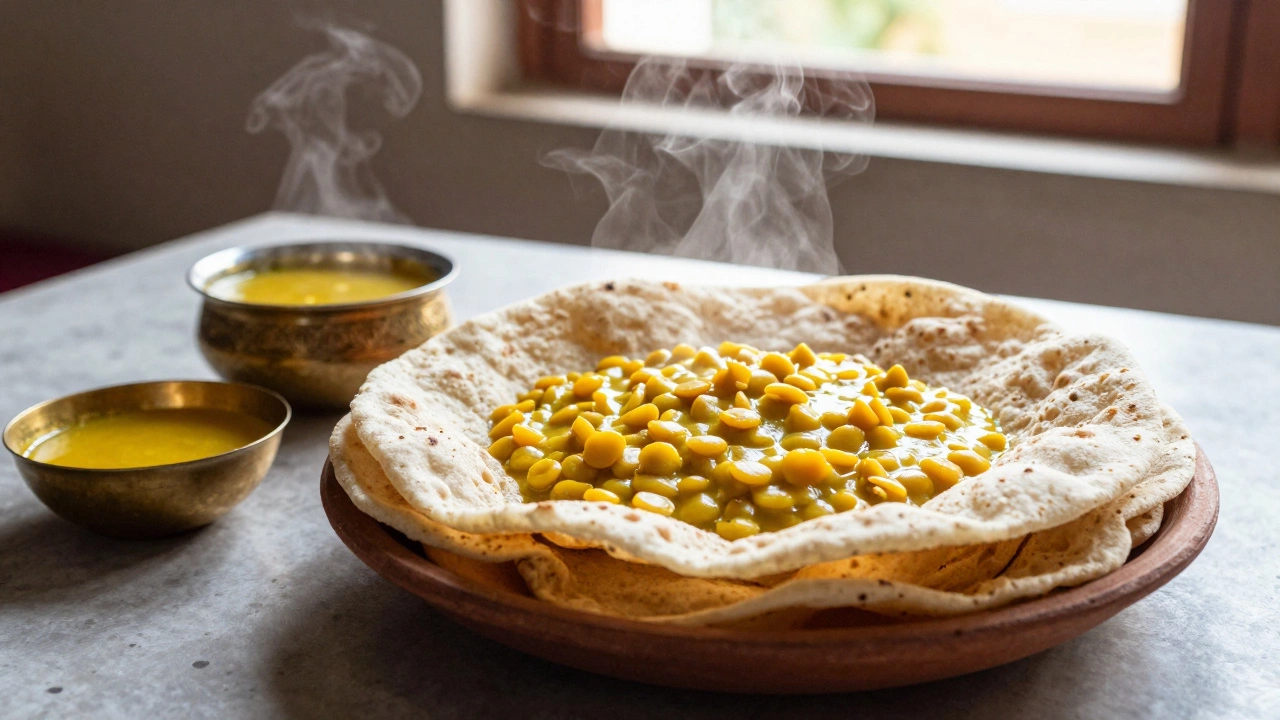
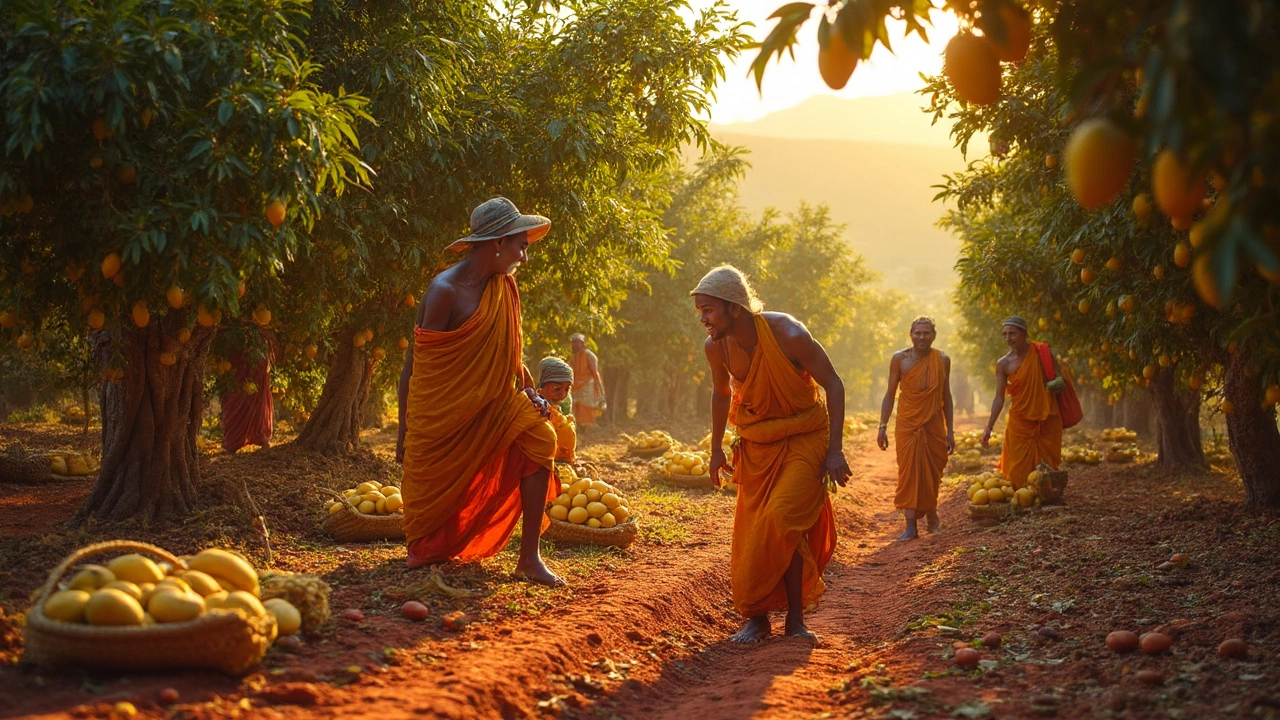
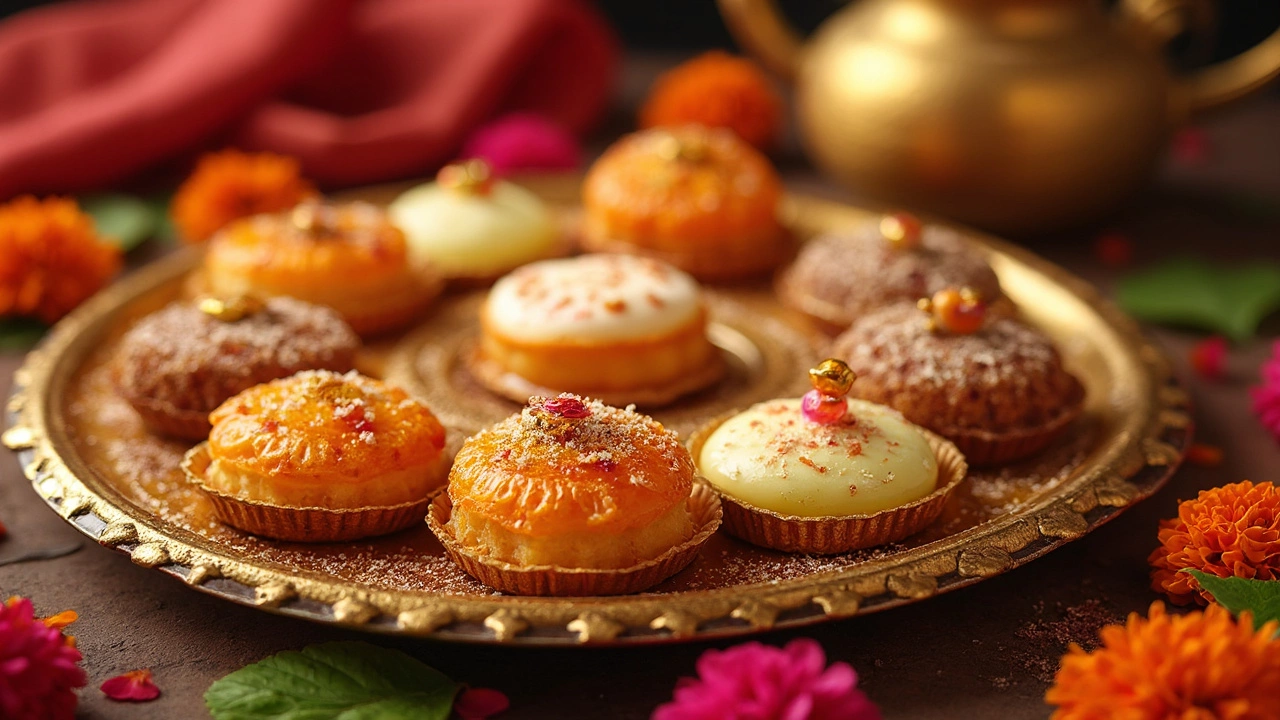
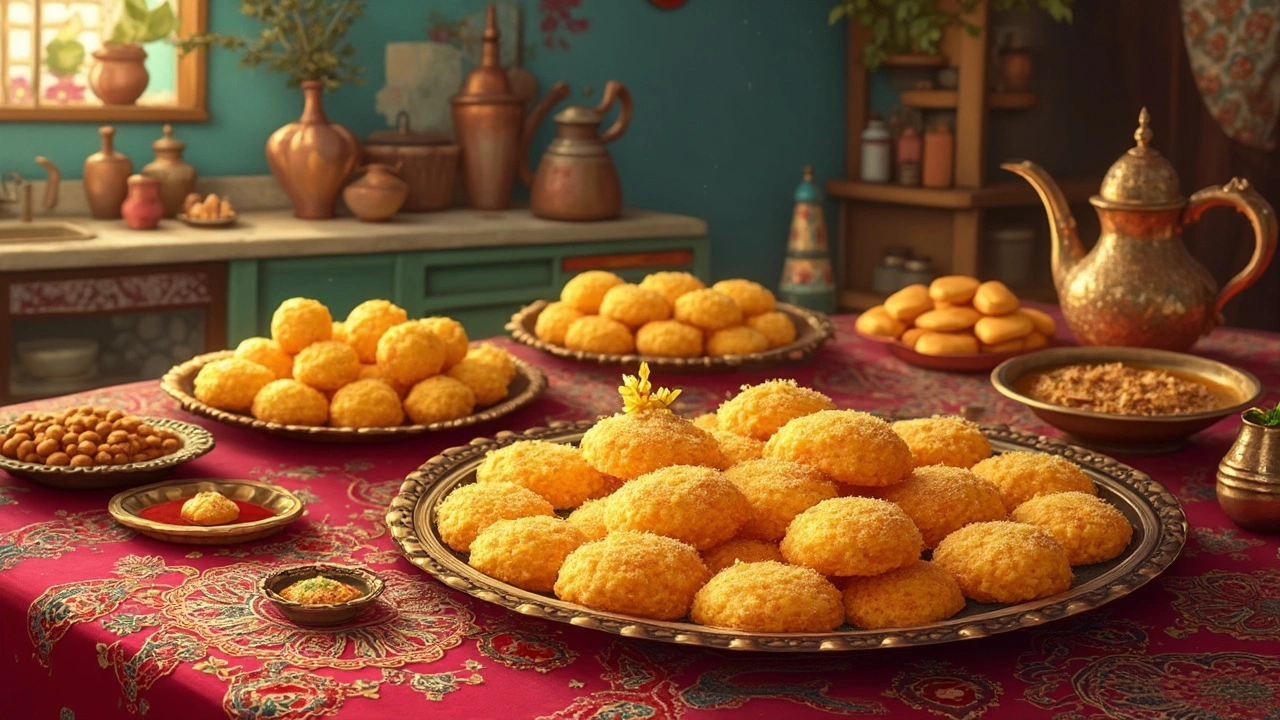
One of the most defining features is its vegetarian cuisine, a way of eating rooted in religious beliefs and regional availability, where even snacks are made without onion or garlic in many homes. This isn’t just a dietary choice—it shapes how people cook, shop, and celebrate. You won’t find chicken on every menu, but you’ll find traditional sweets, like Jalebi and Basundi, made with milk, sugar, and cardamom, often served during weddings, Diwali, or just because it’s Tuesday. These aren’t desserts—they’re emotional anchors, passed down from grandmother to granddaughter. And then there’s the mango gujarat, the Kesar variety, so rich and fragrant it’s used in everything from chutneys to ice cream, and even offered in temples during summer. This isn’t just fruit—it’s a seasonal ritual, a symbol of abundance, and the reason farmers wake up before dawn during harvest. People don’t just eat these foods—they talk about them, argue over which shop makes the best jalebi, and save money all year for the mango season.
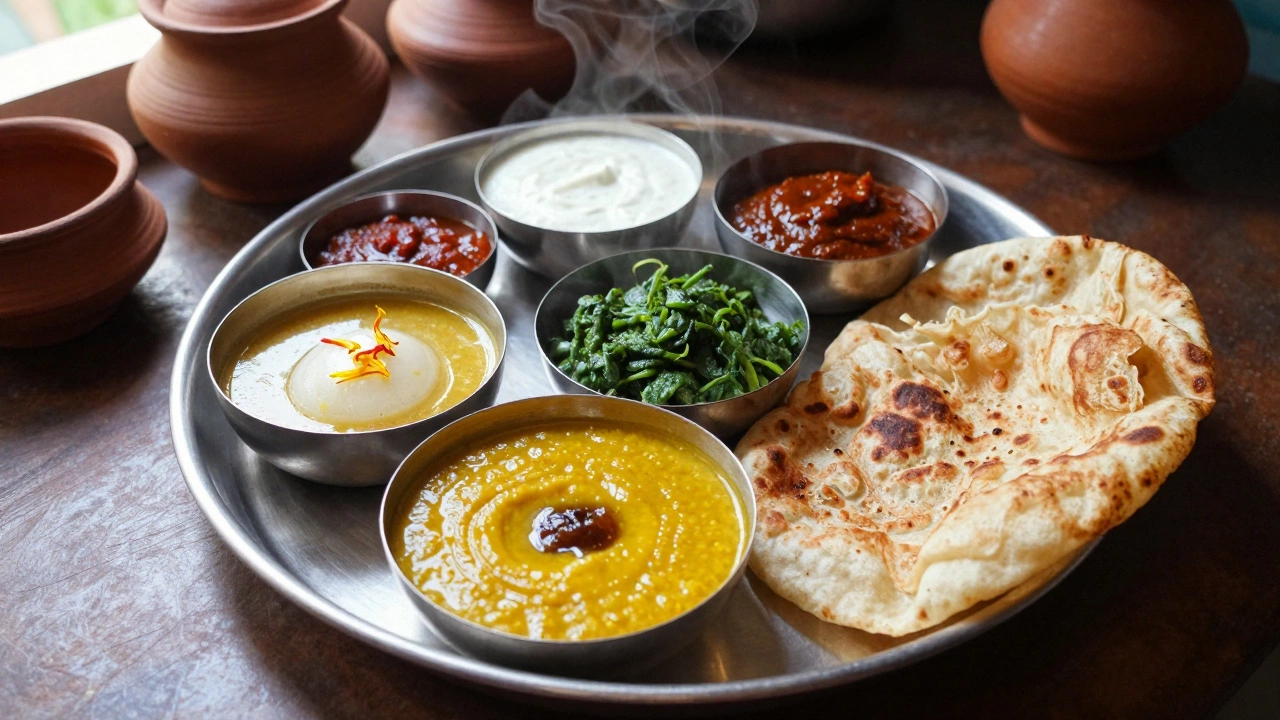
What makes Gujarati culture unique isn’t just what’s on the plate, but how it’s shared. Meals are served on thalis with small portions of everything—sweet, salty, spicy, tangy. It’s a philosophy: balance in every bite. You’ll find this same care in how festivals are planned, how children learn recipes, and how even street vendors follow family recipes passed down for generations. This culture doesn’t shout—it whispers through the smell of jaggery frying, the sound of a mortar grinding spices, the quiet pride in a perfectly made undhiyu.
What follows is a curated look into the real, everyday pieces of this culture: the fruit that defines a season, the sweets that bring families together, the quiet truth about meat in a vegetarian state, and the surprising spice balance that keeps people coming back for more. You won’t find fluff here—just the facts, flavors, and stories that matter to those who live it.