Ayurvedic Dosha & Safety Checker
Select the description that best matches your typical physical and mental tendencies.
Are you planning to eat these together? Select two items to check for Viruddha Ahara (incompatible combination).
Your Personalized Guidance
Dominant Dosha:
Key Avoidance Tip:
Food Check Result
Select a Dosha above or check a food combination to see results here.
You’ve probably heard that Ayurveda is the science of life, a holistic healing system rooted in ancient Indian tradition. It promises balance, vitality, and longevity. But here’s the uncomfortable truth: following Ayurveda incorrectly can actually make you feel worse. Many people treat it like a buffet-picking up whatever sounds healthy without considering their unique body type, or Dosha. They drink cold water because "hydration is good," eat heavy dairy at night, or undergo intense detox therapies when their digestion is already weak. The result? Bloating, fatigue, and confusion.
The core problem isn’t Ayurveda itself; it’s the misapplication of its principles. Ayurveda is highly personalized. What heals one person might harm another. This guide breaks down exactly what you should avoid in Ayurveda, from dietary clashes to lifestyle errors, so you don’t waste time (or health) on practices that backfire.
Understanding the Doshas Before You Change Anything
Before we list what to avoid, you need to understand why these rules exist. Ayurveda classifies everyone into three primary bio-energies or Doshas: Vata (air/space), Pitta (fire/water), and Kapha (earth/water). Your current state might be balanced (Sattvic), or it might be out of whack (Vikriti).
The biggest mistake beginners make is assuming there is one "perfect" Ayurvedic diet for everyone. There isn’t. A Vata person needs grounding, warm, oily foods. A Kapha person needs light, dry, stimulating foods. If you feed a Kapha constitution heavy, oily Vata-style food, they gain weight and feel sluggish. If you give a Vata person light, dry Kapha-style food, they get anxious and constipated. So, rule number one: Don’t adopt an Ayurvedic practice until you know your dominant Dosha and your current imbalance.
Dietary Clashes: The Concept of Viruddha Ahara
In modern nutrition, we worry about calories and macros. In Ayurveda, we worry about compatibility. Viruddha Ahara refers to incompatible food combinations that disrupt digestion and create toxins, known as Ama. These aren’t just myths; they are based on how different foods digest at different speeds and temperatures.
Here are the most common dietary mistakes to avoid:
- Fruit with Dairy: Never mix bananas, melons, or citrus fruits with milk or yogurt. Fruit digests quickly; dairy digests slowly. Mixing them causes fermentation in the gut, leading to gas and mucus buildup. Eat fruit alone, ideally in the morning.
- Cold Water with Meals: Drinking ice-cold water during meals extinguishes your digestive fire (Agni). Warm or room-temperature water helps dissolve fats and aids enzymatic activity. Cold water solidifies fats, making them harder to digest.
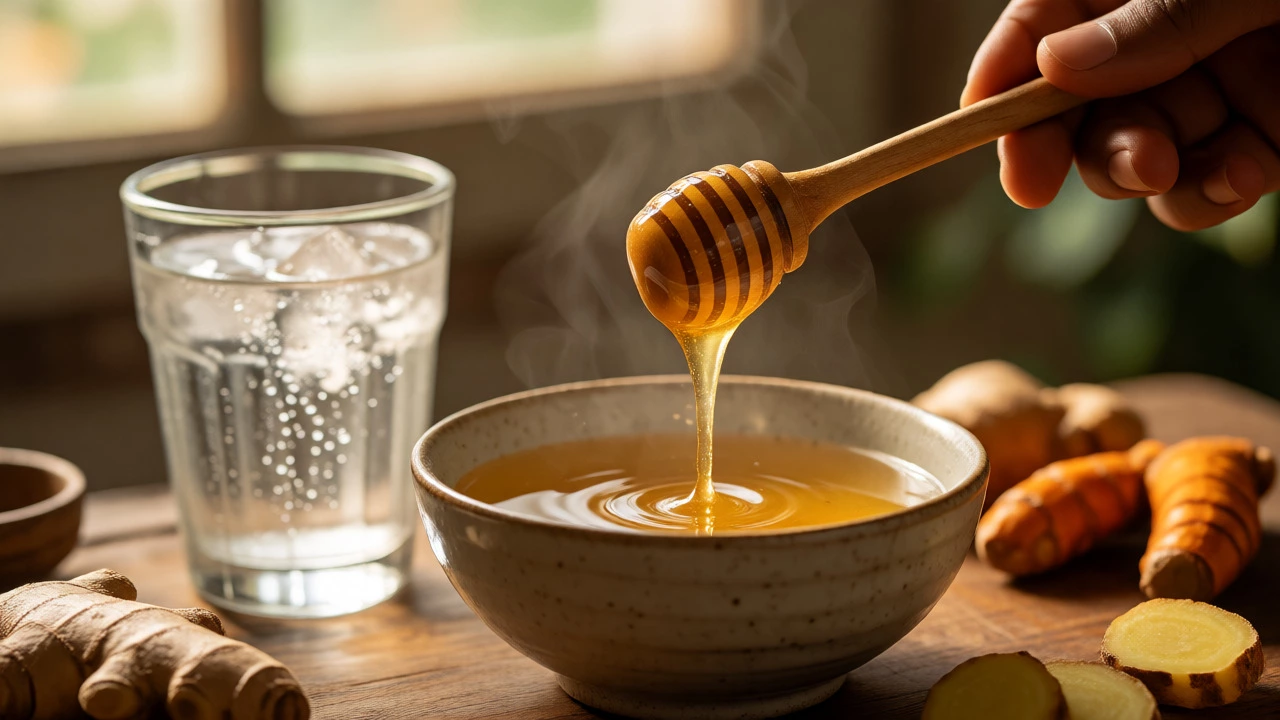
- Heating Honey: Honey is considered medicinal when raw. Heating it above 40°C (104°F) changes its chemical structure, turning it into a sticky toxin that clogs channels in the body. Never add honey to hot tea or baked goods; stir it in after the liquid has cooled slightly.
- Seafood with Milk: Fish and shellfish combined with dairy products is a classic clash. Both are heavy and difficult to digest together, often triggering skin issues or allergies in sensitive individuals.
| Food Combination | Why It’s Bad | Better Alternative |
|---|---|---|
| Milk + Bananas/Melons | Causes fermentation, mucus, and Ama | Eat fruit separately, 30 mins before milk |
| Honey + Heated Liquids | Creates toxic residue (Ama) | Add honey to lukewarm water only |
| Ice Water + Hot Meal | Extinguishes Agni (digestive fire) | Sip warm water or ginger tea |
| Red Meat + Dairy | Heavy on digestion, slows metabolism | Pair meat with vegetables and grains |
Lifestyle Errors: When Rest Becomes Harmful
Ayurveda emphasizes routine, but rigidity can be dangerous. One major pitfall is sleeping during the day. Daytime naps, especially after lunch, increase Kapha dosha. This leads to lethargy, brain fog, and weight gain. Unless you are elderly, very young, or recovering from illness, avoid daytime sleep. If you must nap, keep it under 20 minutes and never sleep immediately after eating.
Another common error is ignoring the natural rhythm of the day. Ayurveda divides the day into periods dominated by each Dosha. Eating a heavy meal at 8 PM, when Kapha energy is rising and metabolism slows, guarantees poor digestion. Dinner should be light and eaten at least two hours before bed. Similarly, waking up after 6 AM misses the Vata period, which is ideal for clarity and movement, leaving you feeling groggy all day.
Exercise is also tricky. Many people think more exercise is better. For Vata types, excessive cardio depletes their already low energy reserves, causing joint pain and anxiety. For Pitta types, overheating through intense workouts can trigger inflammation and anger. Listen to your body. Exercise should leave you energized, not exhausted. If you’re tired after working out, you did too much.

Detox Misconceptions: Panchakarma Isn’t for Everyone
Panchakarma, the five-fold detox therapy, is marketed as a universal reset button. It’s not. Panchakarma involves intense procedures like oil massages, steam baths, and purgation. These require strong digestive fire (Agni). If your digestion is weak, undergoing Panchakarma can push toxins deeper into tissues rather than eliminating them.
Do not attempt self-administered Panchakarma at home without professional guidance. Using herbal oils incorrectly can block pores or cause skin reactions. Furthermore, Panchakarma is contraindicated for pregnant women, those with acute infections, fever, or severe heart conditions. Skipping the preliminary assessment by a qualified practitioner is a recipe for disaster.
Herbal Supplementation: More Is Not Better
Ayurvedic herbs like Ashwagandha, Triphala, and Turmeric are powerful. However, taking them indiscriminately is a mistake. Ashwagandha is excellent for stress and Vata imbalances, but it can aggravate Pitta if taken in excess, leading to heat and irritability. Triphala is a gentle laxative, but long-term use without breaks can lead to dependency or electrolyte imbalance.
Always consider the potency and source. Contaminated supplements with heavy metals are a real risk in poorly regulated markets. Buy from reputable brands that test for purity. And remember, herbs interact with medications. If you are on blood thinners, turmeric in high doses can increase bleeding risk. Consult an Ayurvedic doctor who understands both traditional medicine and modern pharmacology.

Emotional Hygiene: Ignoring Manasika Doshas
Ayurveda treats mind and body as inseparable. Yet, many practitioners focus solely on physical symptoms. Ignoring emotional habits is a critical oversight. Chronic stress, repressed anger, and grief create subtle blockages that no herb can fix. Practices like meditation, pranayama (breathing exercises), and journaling are essential components of Ayurvedic wellness.
For example, Pitta types tend toward perfectionism and anger. Without mindfulness practices, their internal fire burns them out. Vata types struggle with anxiety and fear. Grounding techniques and routine help stabilize them. If you ignore your mental patterns, physical treatments will have limited success.
Quick Summary / Key Takeaways
- Know Your Dosha: Generic advice fails. Tailor diet and lifestyle to your specific Vata, Pitta, or Kapha constitution.
- Avoid Food Combining: Do not mix fruit with dairy, heat honey, or drink cold water with meals to prevent Ama (toxins).
- Respect Digestion: Strong digestive fire (Agni) is required for detox and nutrient absorption. Weak digestion means no heavy foods or intense therapies.
- Timing Matters: Eat dinner early, avoid daytime naps, and wake up during Vata hours for optimal energy.
- Professional Guidance: Never self-prescribe Panchakarma or potent herbs without expert consultation.
Can I eat salad every day according to Ayurveda?
Not necessarily. Raw salads are cold, dry, and hard to digest, which aggravates Vata and can weaken Agni. While Kapha types may tolerate them well, Vata and Pitta types often benefit from cooked, warm, seasoned vegetables instead. If you love salad, add warming spices like ginger or black pepper and ensure it’s not your main meal.
Is fasting always good in Ayurveda?
No. Fasting is a tool, not a rule. It works best when Ama (toxins) is present and digestion is weak, giving the gut a rest. However, Vata types, who are prone to depletion, should avoid prolonged fasting. Instead, they benefit from small, frequent, nourishing meals. Always fast under guidance if you have diabetes or other metabolic conditions.
Why should I avoid cold drinks?
Cold drinks dampen the digestive fire (Agni). Think of your stomach as a cooking pot. Pouring cold water on a hot flame reduces its ability to cook food properly. This leads to incomplete digestion, accumulation of toxins (Ama), and potential issues like bloating, gas, and slow metabolism over time.
Are all Ayurvedic herbs safe for long-term use?
No. Some herbs are meant for short-term therapeutic use, while others are daily tonics. For instance, bitter herbs like Neem are potent and shouldn’t be used indefinitely as they can reduce tissue strength. Always cycle your supplements and consult a practitioner to adjust dosage based on your changing health status.
What is Ama and how do I know if I have it?
Ama is undigested food material that turns into a sticky, toxic substance in the body. Signs include a coated tongue, bad breath, heaviness in the body, lethargy, dull appetite, and sticky stools. If you notice these signs, simplify your diet, avoid incompatible foods, and try a short fast or light kitchari cleanse to clear it.