Indian Wedding Outfit Checker
Enter your planned outfit and the event details. The tool flags common etiquette mistakes and suggests fixes so you arrive respectful and confident.
Result
Walking into a grand Indian wedding hall in a plain white t-shirt and jeans might feel comfortable to you, but to the hosts, it can look like a major faux pas. You don't need to be a fashion expert or own a closet full of silk to navigate these social waters. You just need to know the unspoken rules that keep things smooth and respectful. Getting your outfit wrong is rarely a disaster, but getting it right shows you care about the occasion.
Indian weddings are not just ceremonies; they are massive cultural events involving multiple days of festivities, strict family hierarchies, and specific aesthetic expectations. Whether you are attending a small intimate gathering in Jaipur or a sprawling five-day celebration in Mumbai, your clothing signals how much effort you put into honoring the couple. This guide breaks down exactly what to avoid so you can focus on enjoying the food and dancing instead of worrying about whether your shirt is appropriate.
The Big No-No: White and Black
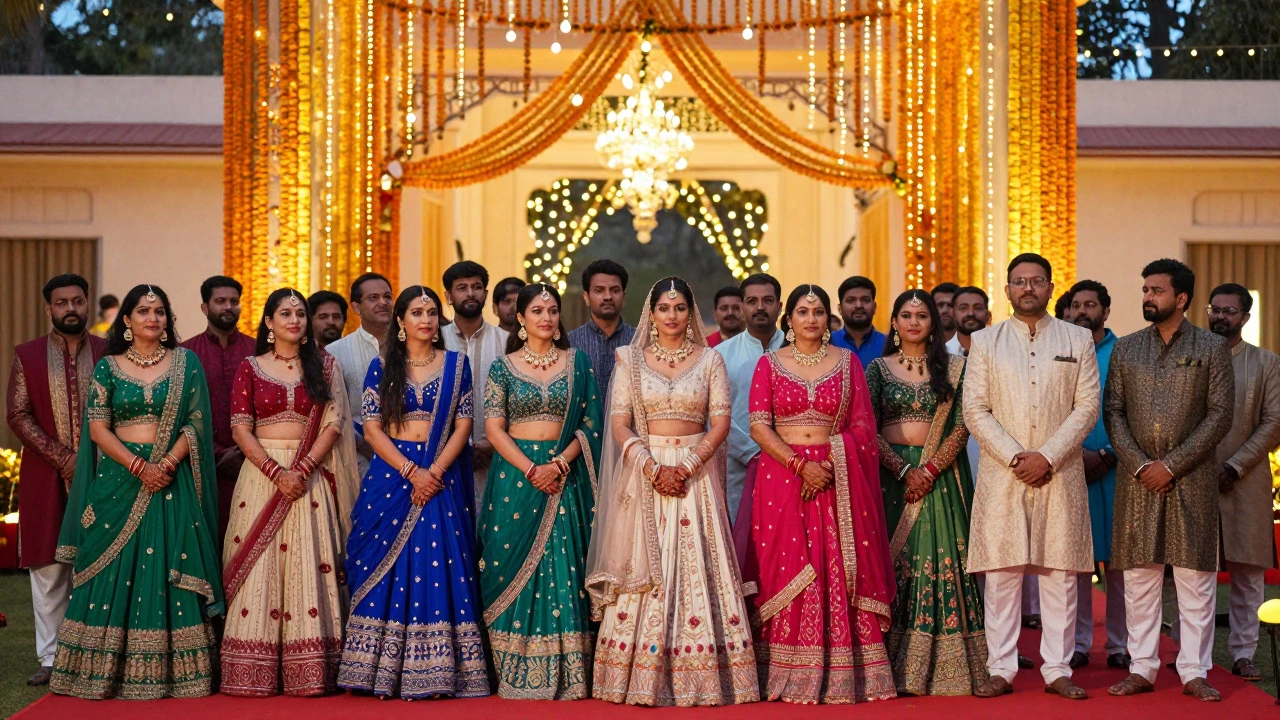
If there is one rule you must memorize, it is this: avoid wearing all-white or all-black outfits. In many Indian cultures, particularly Hindu traditions, white is associated with mourning and funerals. While Western brides wear white to symbolize purity, Indian brides typically wear red, pink, or gold. Therefore, showing up in a stark white dress or suit can inadvertently suggest that you expect bad news rather than good vibes.
Black has historically been viewed as somber or unlucky in some regional contexts, though this is changing in metropolitan areas like Delhi and Bangalore. Still, if you are unsure about the specific family's background, sticking to vibrant colors is safer. If you absolutely love black, try mixing it with bright accessories or pairing it with colorful fabrics rather than wearing a monochrome black ensemble.
Respecting Religious Symbols
Many Indian weddings incorporate religious rituals where specific items hold deep spiritual significance. One common mistake guests make is wearing excessive jewelry that clashes with the bride’s elaborate set or wearing clothes that cover too little during prayer ceremonies.
- Sarees and Lehengas: These are standard for women. Avoid wearing them in ways that expose the midriff too much if the ceremony involves temple prayers.
- Kurtas and Sherwanis: For men, a Kurta paired with churidar pants or trousers is a safe bet. Avoid shorts unless explicitly told it is a casual cocktail event.
- Jewelry: Keep it elegant but not overpowering. The bride will be wearing heavy, intricate pieces. Your jewelry should complement the atmosphere, not compete with the focal point.
Also, be mindful of headwear. In some North Indian communities, covering the head is a sign of respect during certain pujas (prayers). If you see other female guests covering their heads with a dupatta or shawl, consider doing the same out of courtesy.
Color Psychology and Regional Nuances
Color matters more in India than almost anywhere else. Each color carries a different energy. Red is reserved for the bride in most Hindu weddings, so while you can wear red, try to avoid matching her exact shade if she is wearing a classic bridal red. Instead, opt for maroon, burgundy, or coral.
| Color Category | Recommended Shades | Shades to Avoid | Reason |
|---|---|---|---|
| Bright & Festive | Royal Blue, Emerald Green, Fuchsia, Gold | Pastel Pink (if bride wears it) | Celebratory and energetic |
| Neutral | Navy, Charcoal, Beige (with patterns) | Plain White, Plain Black | Mourning associations |
| Earth Tones | Mustard, Terracotta, Olive | Muddy Brown | Grounded but festive when bright |
Regional differences play a huge role here. In South India, for example, green is considered very auspicious and is often worn by close relatives. In North India, pastels are increasingly popular for daytime sangeet events. Always check the invitation. If it says "Formal," assume traditional ethnic wear. If it says "Cocktail Attire," you have more freedom, but still lean towards elegance over casualness.
Fabric and Fit: Comfort Meets Class
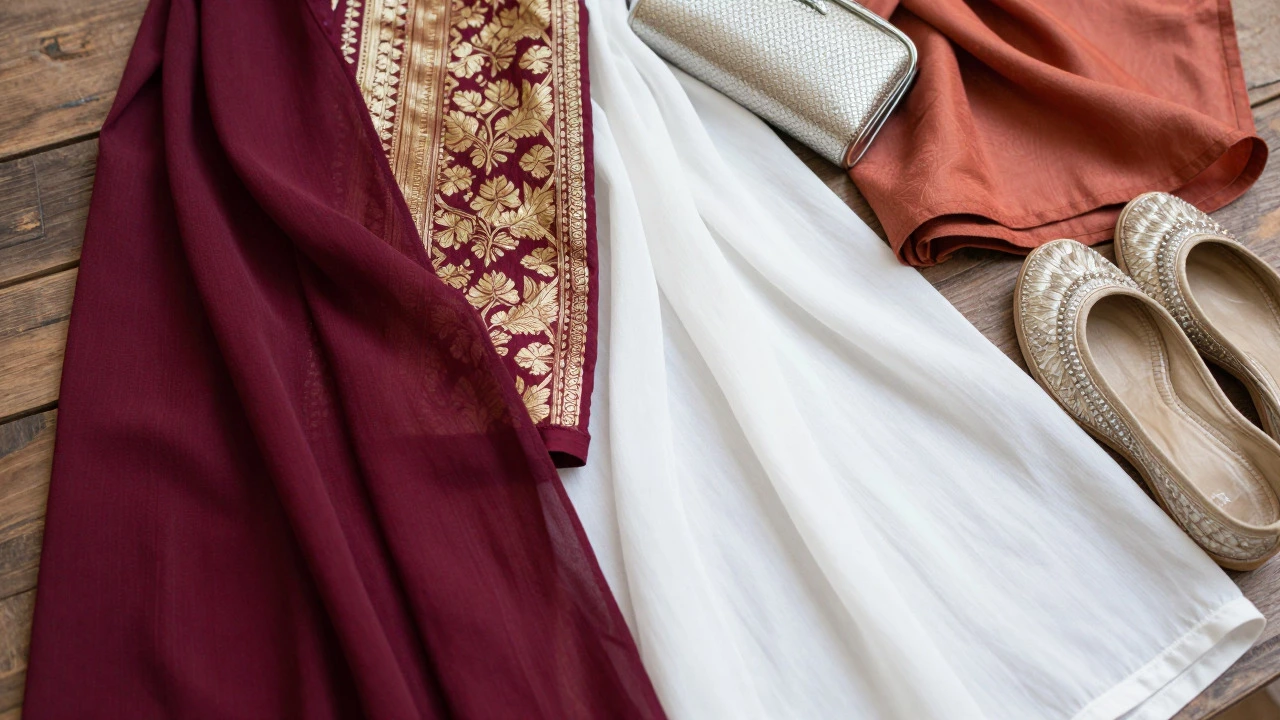
Indian weddings are long. We are talking about hours of sitting, standing, eating, and dancing. Your outfit needs to balance style with practicality. Synthetic fabrics that trap heat are a recipe for discomfort. Look for breathable materials like cotton-silk blends, chiffon, georgette, or linen. These fabrics drape well and allow air circulation, which is crucial in warm climates or crowded venues.
Fit is equally important. Clothes that are too tight can restrict movement, making it hard to dance at the reception. Clothes that are too loose can look sloppy. Aim for a tailored fit that allows you to move freely. For men, ensure your kurta falls just below the hip and your pants are neither baggy nor skin-tight. For women, a lehenga with a fitted blouse and a flowing skirt offers the perfect balance of structure and ease.
Accessories and Footwear
Your shoes matter more than you think. You will be walking on various surfaces-carpeted halls, outdoor lawns, or even uneven ground during pre-wedding functions. High heels with thin stilettoes are risky. They sink into grass and can be painful after four hours of standing. Block heels, wedges, or stylish flats are smarter choices. Juttis (traditional embroidered shoes) are both culturally appropriate and surprisingly comfortable if broken in beforehand.
For accessories, less is often more. A simple clutch bag is sufficient. Avoid oversized handbags that get in the way during hugs or photo opportunities. Men should stick to a watch and perhaps a pocket square. If you are wearing a turban or pagdi, ensure it sits securely, as removing it during the ceremony can be seen as disrespectful in some traditions.
Common Mistakes to Double-Check
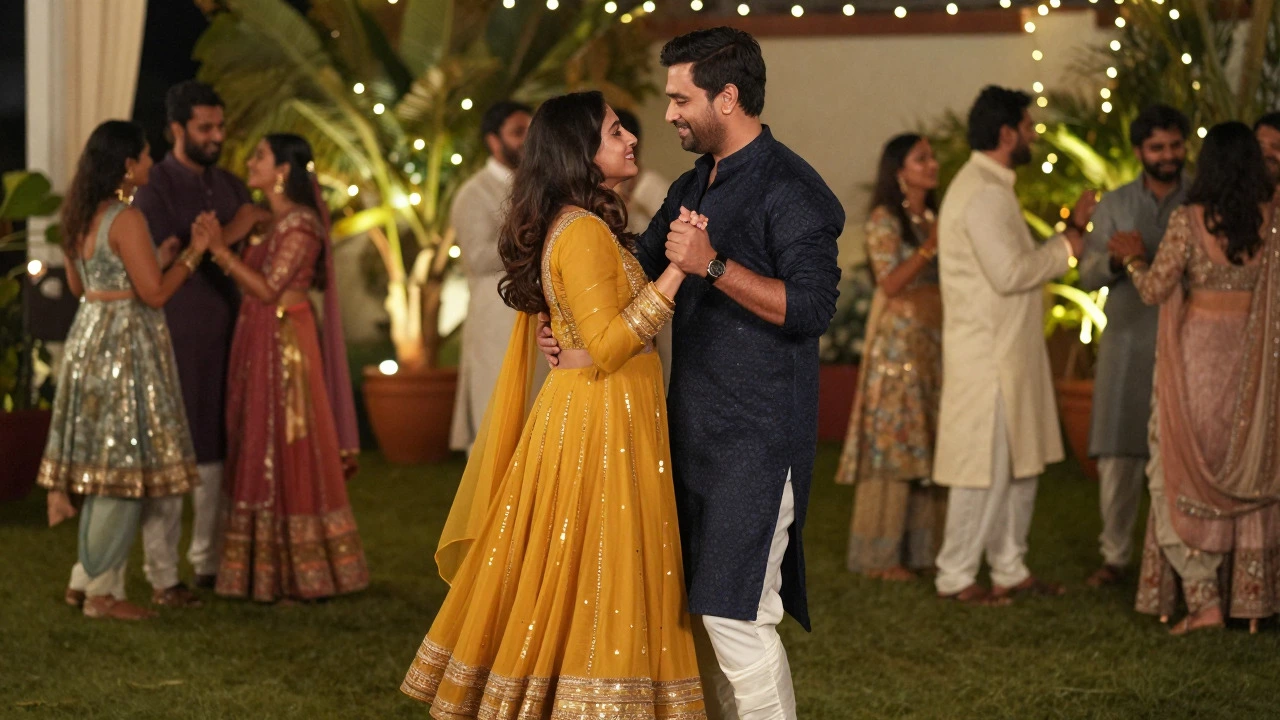
Even experienced guests slip up sometimes. Here are a few subtle errors that can stand out:
- Wearing Logo Clothing: Large brand logos on t-shirts or shirts can look cheap in a formal setting. Stick to solid colors or subtle patterns.
- Overdoing the Sparkle: Sequins are fine, but if every inch of your outfit is glittering, it can distract from the couple. Balance shiny elements with matte fabrics.
- Ignoring the Weather: Check the forecast. Bringing a light shawl or jacket for evening receptions is wise, especially in winter weddings in places like Shimla or Udaipur.
- Arriving Underdressed: When in doubt, err on the side of being slightly overdressed. It is easier to remove a layer than to look underdressed in front of hundreds of relatives.
Final Thoughts on Etiquette
Ultimately, the goal is to blend in while feeling confident. Indian weddings are communal experiences where everyone plays a part. By respecting the dress code, you show respect to the hosts. You don't need to buy expensive designer labels; second-hand stores and local boutiques often carry beautiful, affordable ethnic wear that fits the bill perfectly. Just take it to a tailor for minor adjustments. A well-fitted, modest, and colorful outfit will always earn you compliments and help you feel like part of the celebration.
Can I wear jeans to an Indian wedding?
Generally, no. Jeans are considered too casual for main wedding ceremonies. However, for informal pre-wedding events like a haldi or mehndi day, dark wash, clean jeans paired with a nice top or kurta might be acceptable if the invitation specifies a casual dress code. Always prioritize ethnic wear for the actual wedding day.
Is red okay for a guest to wear?
Yes, but be careful. Since the bride often wears red, try to choose a different shade like maroon, fuchsia, or cherry. Avoid matching the bride's exact color and style. If the bride is wearing a pastel, red is a great bold choice for you.
What should men wear to a traditional Indian wedding?
A Kurta Pajama, Churidar Suit, or Sherwani are the standard options. Pair it with Juttis or loafers. Add a Nehru jacket or waistcoat for extra formality. Avoid suits and ties unless it is a Western-style reception.
Are short dresses allowed?
It depends on the venue and family. For temple ceremonies, knee-length or longer is safer. For evening receptions in urban areas, shorter hemlines are becoming more common. When in doubt, aim for midi length or ensure you have a dupatta to cover up during prayers.
How early should I arrive to change if needed?
If you are staying at the venue hotel, plan to arrive at least 30 minutes before the event starts to freshen up. If you are driving in, check parking availability early, as Indian wedding venues can get extremely congested near the start time.