Discover Your Indian Breakfast Match
Select a region below to explore its unique breakfast traditions, key ingredients, and signature dishes.
South India
Hot & Humid
FermentedNorth India
Chilly Winters
HeartyEast India
Riverine/Coastal
Rice & FishWest India
Arid/Desert
Spicy/SavoryPreparation Style
Health Note
Picture this: You wake up to the sound of sizzling oil and the sharp, earthy aroma of cumin seeds popping in a pan. It’s not a French bakery or an American diner; it’s a kitchen in Mumbai, Chennai, or Kolkata. If you think Indian breakfast is just one thing-maybe some flatbread and tea-you are missing out on a culinary explosion that changes every time you cross a state border.
In India, breakfast isn't just fuel; it's a ritual. It’s often the most substantial meal of the day for many families, setting the tone for everything else. But because India is so vast, with climates ranging from tropical coasts to dry deserts, what people eat in the morning varies wildly. There is no single "typical" plate. Instead, there are dozens of traditions, each rooted in local ingredients, history, and daily routines.
The South Indian Staple: Fermented Magic
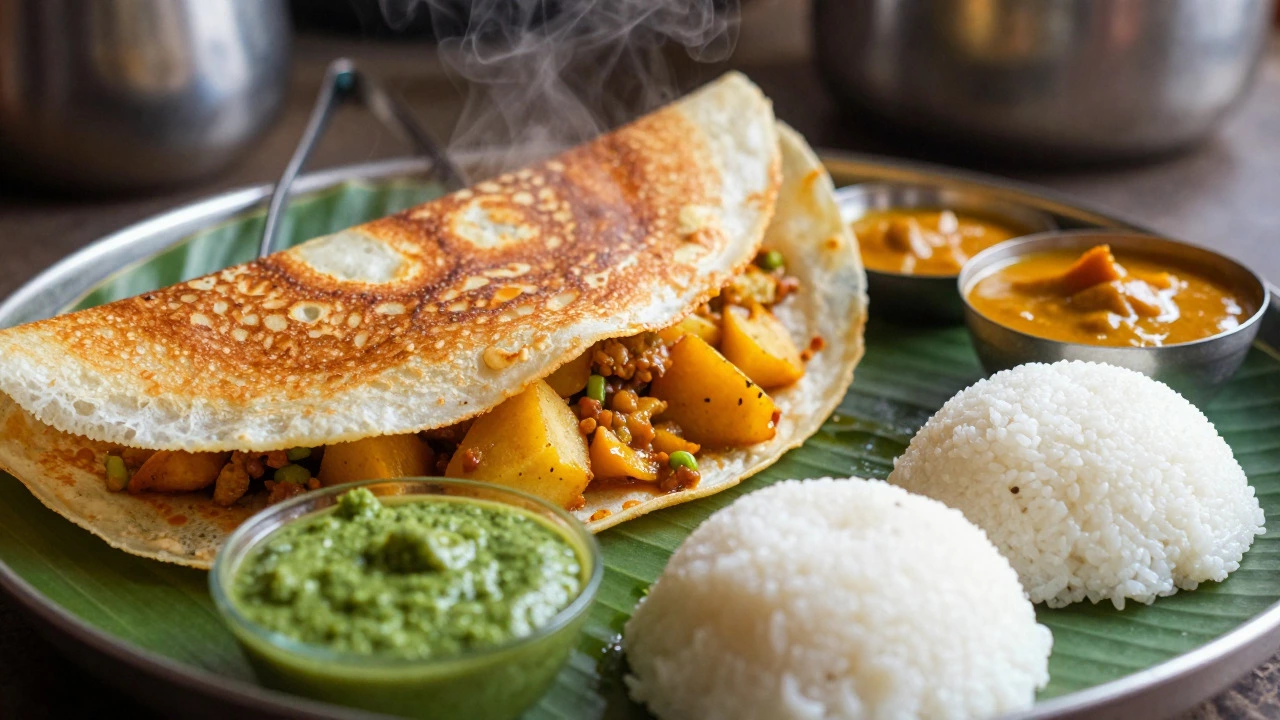
If you travel to the southern states like Tamil Nadu, Kerala, Karnataka, or Andhra Pradesh, you will notice a common thread: fermentation. The climate here is hot and humid, so preserving food through natural fermentation was historically essential. This process also makes the food easier to digest and packed with probiotics.
The undisputed king of South Indian mornings is Dosa. Imagine a thin, crispy crepe made from a fermented batter of rice and urad dal (black gram lentils). It’s golden brown, slightly tangy, and incredibly versatile. You might eat it plain with coconut chutney and sambar (a spicy lentil stew), or stuffed with potatoes (Masala Dosa), cheese, or even paneer.
But Dosa isn’t alone. Many households start with Idli, which are soft, steamed cakes made from the same batter as dosa. They are fluffy, mild, and perfect for soaking up sauces. In Kerala, you might find Puttu (steamed cylinders of ground rice) served with Kadala Curry (chickpea curry). In coastal areas, fresh fish or prawn curries might accompany the rice dishes. The key takeaway? South Indian breakfasts are light on heavy meats but rich in complex carbohydrates and spices that kickstart metabolism.
The North Indian Powerhouse: Ghee and Grains
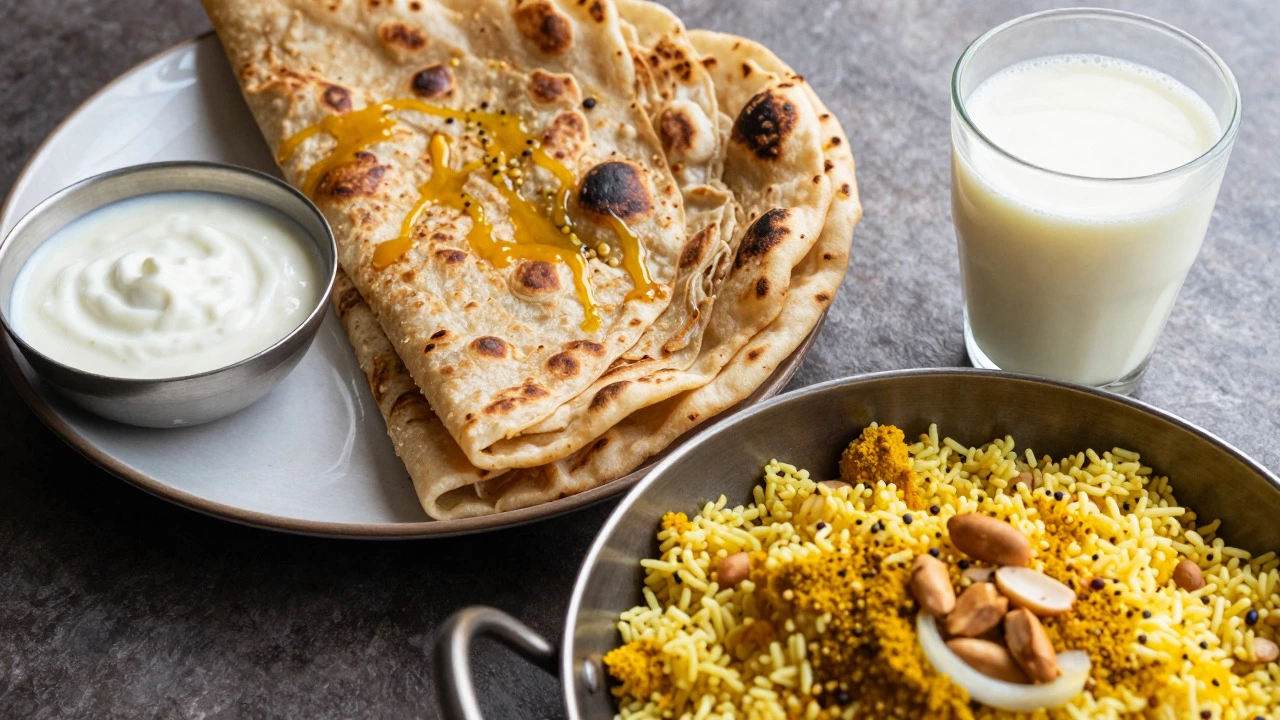
Cross into the north-states like Punjab, Haryana, Uttar Pradesh, and Delhi-and the vibe shifts dramatically. Here, winters can be chilly, and agricultural labor is intense. Breakfast needs to provide sustained energy and warmth. That means more ghee (clarified butter), dairy, and wheat.
A classic North Indian morning might feature Poha, especially in Maharashtra and Madhya Pradesh. Poha consists of flattened rice flakes that are sautéed with turmeric, mustard seeds, onions, and peanuts. It’s quick, savory, and comforting. In colder regions, you’ll see Parathas-thick, layered flatbreads fried in ghee. These can be plain or stuffed with spiced potatoes, cauliflower, or paneer.
Dairy plays a huge role here too. Many people drink sweetened milk with cardamom or consume Lassi (a yogurt-based drink). In rural Punjab, farmers might eat Makki di Roti (cornbread) with Sarson da Saag (mustard greens) even for breakfast during winter months. The focus is on satiety. You won’t find much sugar in these traditional meals; the sweetness comes from the richness of the ghee and the depth of the spices.
The Eastern Twist: Rice and Fish
In the eastern states of West Bengal, Odisha, and Bihar, rice is the dominant grain, not wheat. Breakfast here often revolves around boiled rice or rice-based preparations. In West Bengal, a typical morning might include Puli Bhaji, a dish made from mashed bananas cooked with mustard oil and spices, served alongside rice. It sounds unusual if you’re used to sweet bananas, but the sourness of raw bananas balanced with heat is addictive.
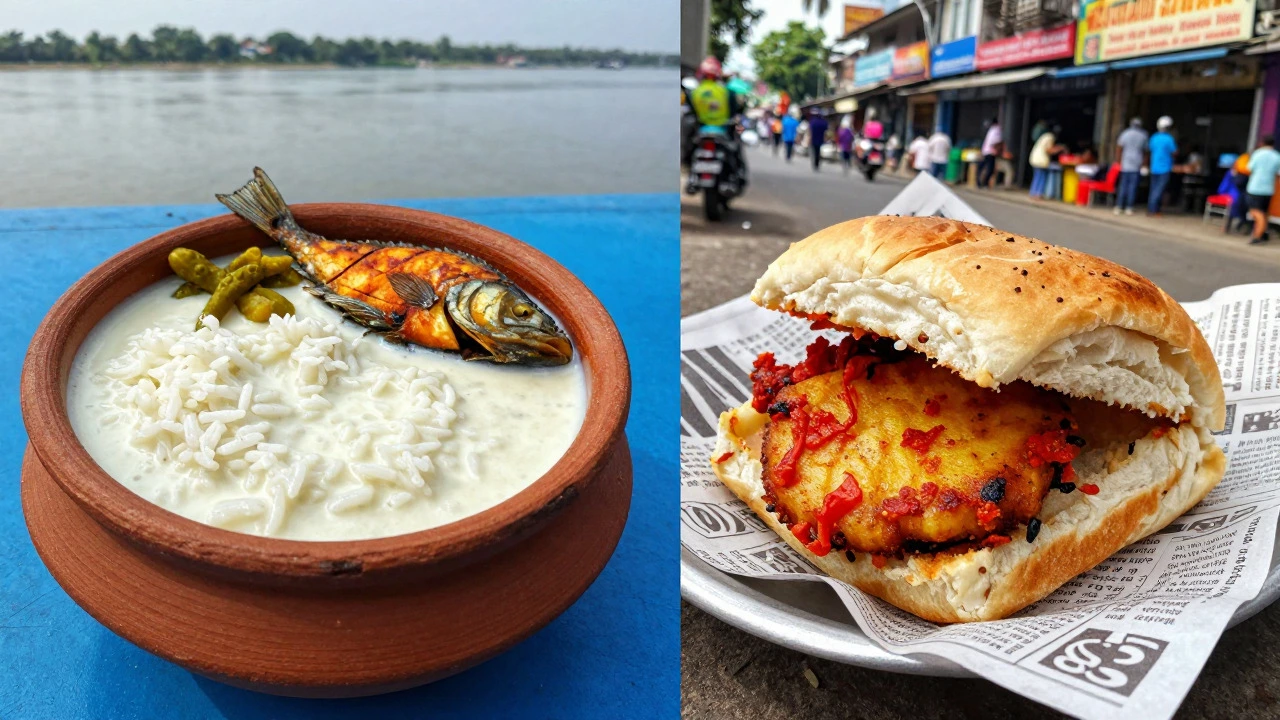
Fish is also common in Bengali breakfasts, particularly in riverine communities. You might find small fried fish pieces served with rice and a side of pickles. In Odisha, Pakhala is a staple-a dish of rice soaked in water overnight, served cold with curd, onion, and fried fish. It’s essentially a prebiotic, cooling meal designed for the hot summers. This region shows how breakfast adapts to temperature; when it’s hot, the food becomes lighter and hydrating.
The Western Spice Route: Snacks as Meals
Gujarat and Rajasthan have distinct breakfast cultures influenced by their arid climates and trade histories. In Gujarat, breakfast is often vegetarian and slightly sweet-savory. Thepla, a spiced flatbread made with fenugreek leaves, is a favorite. It travels well, so it’s popular among travelers and workers. It’s usually eaten with white pickle and curd.
Rajasthan offers Bajra Rotla (millet bread) paired with Gatte ki Sabzi (gram flour dumplings in gravy). Millet is drought-resistant, making it a practical choice for the desert landscape. In urban centers like Mumbai, however, the breakfast scene is a fusion. You’ll find Vada Pav (a spicy potato fritter in a bun) sold on street corners, acting as a fast-food equivalent. It’s greasy, spicy, and cheap, fueling millions of commuters before they head to work.
The Role of Beverages: More Than Just Tea
No discussion of Indian breakfast is complete without mentioning drinks. Chai is ubiquitous, but it’s not just hot tea. It’s black tea brewed with milk, sugar, and spices like ginger, cardamom, and cloves. It’s consumed everywhere, from high-end cafes to roadside stalls.
In South India, Filter Coffee takes center stage. Strong coffee decoction is mixed with frothy milk and sugar, served in a steel tumbler and davara (saucer). The pouring technique creates a signature foam. In Kashmir, you’ll find Noon Chai, a pink salted tea made with green tea leaves, baking soda, and milk. It’s both a drink and a light snack due to its thickness. Beverages are integral to the meal, often balancing the heaviness of the food or adding digestive benefits.
Health Perspectives: Traditional Wisdom vs. Modern Trends
Traditional Indian breakfasts are generally aligned with Ayurvedic principles, which emphasize balance and digestion. Fermented foods like Idli and Dosa are easy on the stomach. Spices like cumin, coriander, and turmeric have anti-inflammatory properties. However, modern lifestyles have introduced changes. Urban Indians increasingly opt for quick, processed options like cereals, sandwiches, or packaged biscuits due to busy schedules.
Nutritionists note that while traditional meals are nutrient-dense, portion sizes can sometimes be large, leading to calorie surplus. Also, the use of refined flour (Maida) in some snacks like Samosa or Puff Pastry reduces nutritional value. The trend now is returning to whole grains-millets, oats, and quinoa-are being incorporated into traditional recipes. For example, millet-based Dosas or Oat Parathas are gaining popularity in health-conscious circles.
| Region | Key Ingredients | Typical Dish | Preparation Method |
|---|---|---|---|
| South India | Rice, Urad Dal, Coconut | Dosa, Idli | Fermentation, Steaming, Frying |
| North India | Wheat, Ghee, Lentils | Poha, Paratha | Sautéing, Pan-frying |
| East India | Rice, Mustard Oil, Bananas | Puli Bhaji, Pakhala | Boiling, Soaking |
| West India | Millets, Fenugreek, Potatoes | Thepla, Vada Pav | Flatbread, Deep-frying |
Why Diversity Matters in Indian Cuisine
The variety in Indian breakfasts reflects the country’s biodiversity and cultural tolerance. It teaches us that there is no "right" way to start the day. Whether you need the quick energy of a Vada Pav, the gentle nourishment of Idli, or the hearty warmth of a Paratha, there is a tradition suited to your body and environment.
For those looking to explore Indian cuisine, starting with breakfast is the best approach. It’s accessible, affordable, and deeply communal. Next time you crave something new, try making a simple Dosa or Poha at home. You’ll discover that the secret ingredient isn’t just spice-it’s history, geography, and love.
Is Indian breakfast typically vegetarian?
Most traditional Indian breakfasts are vegetarian, especially in South and West India. However, in coastal regions and parts of East India, fish and eggs are commonly included. North Indian breakfasts rarely include meat but heavily feature dairy.
What is the most popular breakfast item in India?
It depends on the region. Dosa and Idli dominate the South, while Poha and Paratha are favorites in the North. Vada Pav is extremely popular in Mumbai. There is no single national favorite, but fermented rice-lentil dishes are widespread.
Are Indian breakfasts healthy?
Yes, traditionally they are quite healthy. Fermented foods aid digestion, and spices offer anti-inflammatory benefits. However, deep-fried items like Samosas or excessive ghee can increase calorie intake. Balancing portions is key.
Can I make Indian breakfast at home easily?
Absolutely. Dosa batter can be bought ready-made or made at home with a blender. Poha requires only flattened rice and basic spices. Many recipes take less than 15 minutes to prepare once ingredients are prepped.
What do Indians drink with breakfast?
Masala Chai (spiced tea) is the most common beverage nationwide. Filter coffee is preferred in South India. In some regions, Lassi (yogurt drink) or Noon Chai (salted tea) are also popular accompaniments.