
Top 10 Must‑See World Monuments - A Travel Bucket List
Discover the top 10 world monuments, their history, visitor tips, and a quick comparison to help you plan an unforgettable travel bucket list.
When we talk about world heritage sites, places of outstanding cultural or natural value protected by UNESCO. Also known as UNESCO heritage sites, these are locations that tell stories older than nations—where history isn’t just written, it’s carved into stone, sung in rituals, and lived in daily practice. Many of these sites aren’t in Europe or the Middle East. They’re in Tamil Nadu, where temples have stood for over a thousand years, and where dance, music, and craft traditions still flow just as they did in the Chola dynasty.
The Great Living Chola Temples, a group of monumental Hindu temples built between the 11th and 12th centuries in Tamil Nadu are one of the clearest examples. These aren’t ruins. They’re active places of worship, still filled with priests chanting, bells ringing, and devotees walking barefoot through courtyards. The Brihadeeswarar Temple in Thanjavur alone has a 66-meter tower carved from a single stone—no mortar, no modern cranes. It’s engineering, devotion, and art fused into one. Then there’s the Mahabalipuram Shore Temple, a 8th-century coastal structure carved directly from granite, facing the Bay of Bengal. It survived tsunamis, colonial neglect, and time—not because it was protected by walls, but because people kept returning to it.
But world heritage isn’t just about buildings. It’s about the living culture that keeps them alive. The Tamil folk traditions, including dance forms like Karakattam and ritual theater like Theru Koothu are passed down in villages, often performed near these temples during festivals. These aren’t tourist shows. They’re spiritual acts, tied to harvests, monsoons, and ancestral memory. Even the language itself—Tamil—is one of the world’s oldest living languages, recognized by UNESCO as a classical language. You can’t separate the temples from the songs sung in front of them, or the rituals from the food offered in the temple kitchens.
What makes these sites different from others isn’t just their age. It’s that they’re still breathing. People cook, pray, dance, and argue in them every day. You won’t find glass cases here. You’ll find mothers teaching daughters how to tie a silk sari for temple rituals, elders correcting the rhythm of a drumbeat, and children learning Sanskrit verses alongside Tamil proverbs. This isn’t museum culture. It’s culture that refuses to be frozen in time.
When you look at the list of world heritage sites, you’ll see pyramids, cathedrals, and ancient cities. But you won’t find many places where culture, religion, and daily life are still so tightly woven together. Tamil Nadu’s heritage isn’t just preserved—it’s practiced. And that’s why these sites matter more than most. Below, you’ll find posts that dig into the rituals, music, and history behind these places—what they mean to the people who live with them, and why the world still looks to them for meaning.
Discover the top 10 world monuments, their history, visitor tips, and a quick comparison to help you plan an unforgettable travel bucket list.
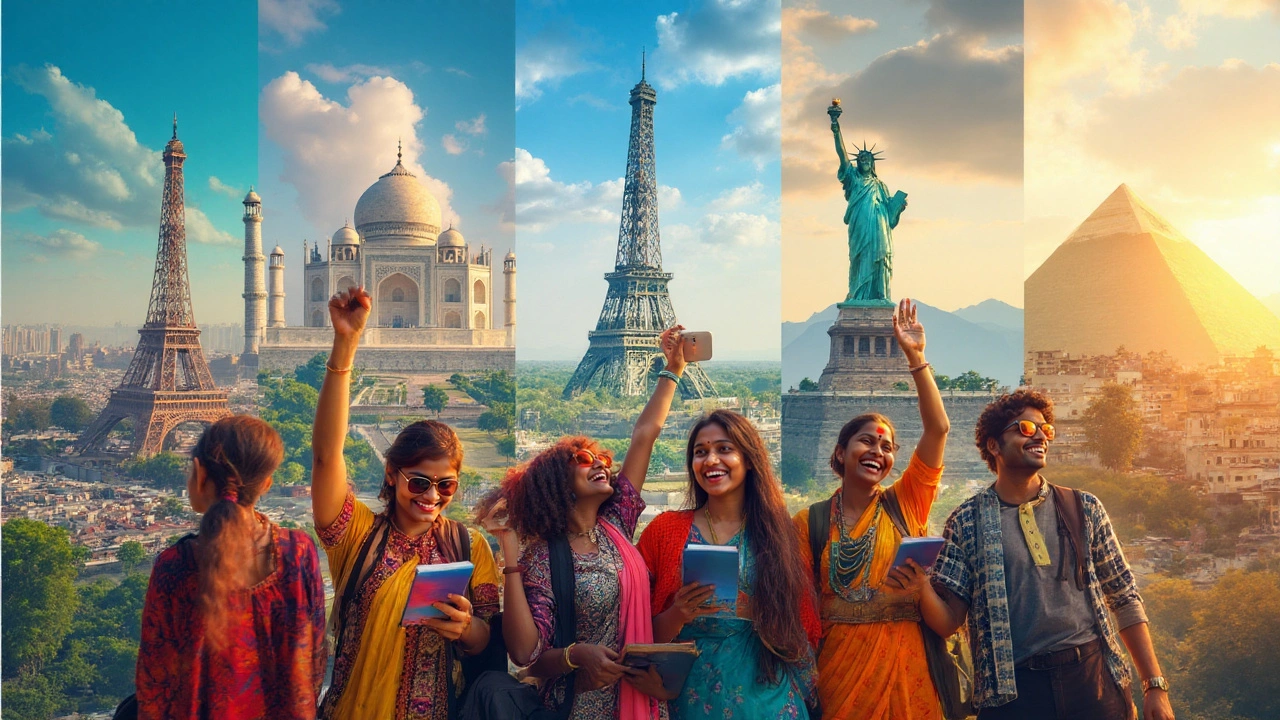
Explore the seven most famous world monuments, their fascinating stories, practical travel tips, and what makes each landmark unforgettable for travelers worldwide.