Visiting India: What You Need to Know About Culture, Festivals, and Customs
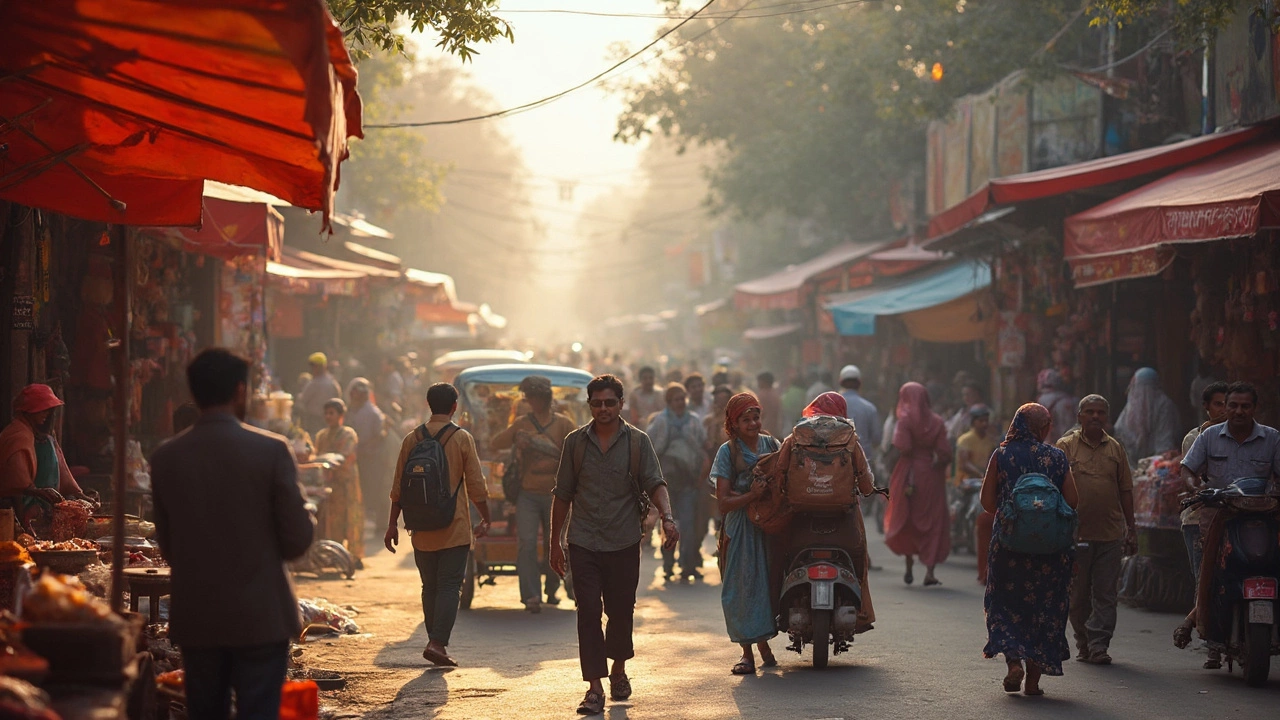
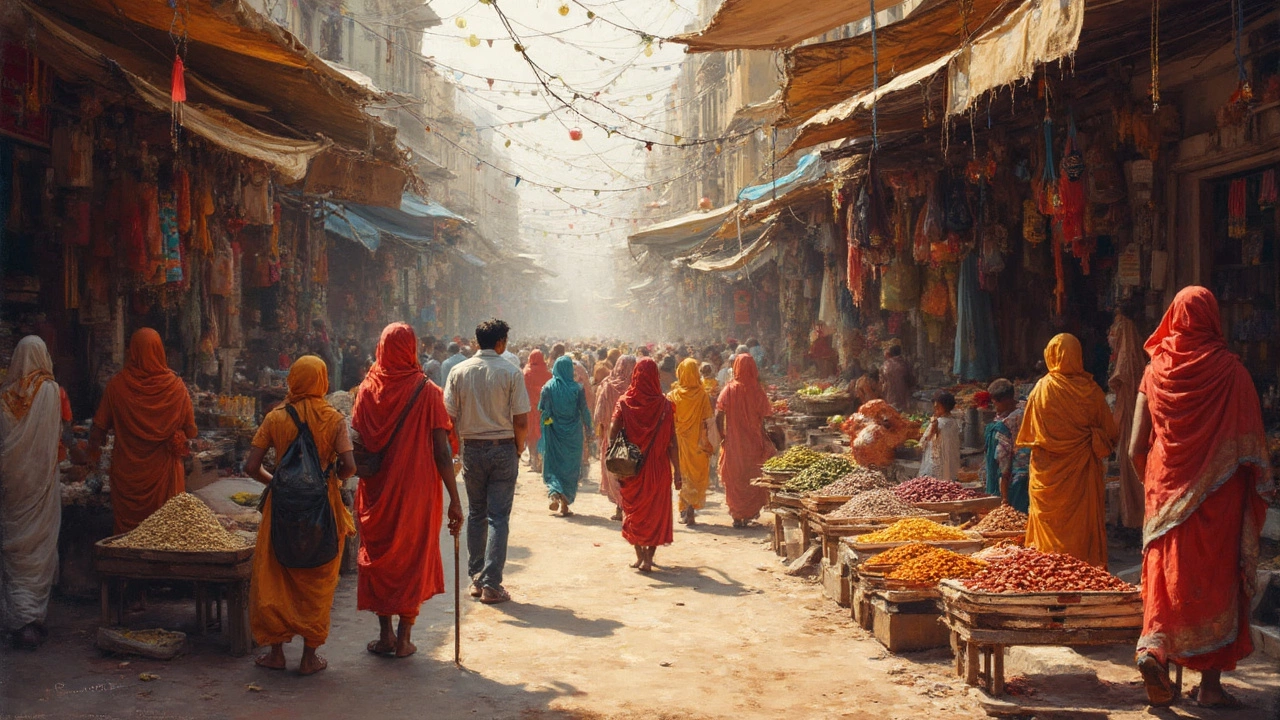
When you’re visiting India, a country where ancient rituals live side by side with modern cities. Also known as traveling to South Asia, it’s not just about seeing monuments—it’s about understanding how people live, celebrate, and eat every single day. You won’t find one single India. In the south, Tamil families light oil lamps for Karthigai Deepam just after Diwali. In the north, crowds dance in the streets during Holi, painting each other with color. Both are Hindu festivals, but they feel completely different. That’s the truth of India: it’s not a checklist. It’s a collection of hundreds of living cultures, each with its own rhythm.
One thing you’ll notice fast: food isn’t just food here. It’s tied to religion, caste, and family history. In some places, beef is off-limits. In others, onion and garlic are avoided during certain rituals. Indian food taboos, rules about what not to eat across regions and religions. Also known as dietary customs in India, these aren’t random—they’re deeply rooted in centuries of belief. If you’re invited to a home for dinner, asking about restrictions shows respect. And if you’re in Tamil Nadu, you might be served rice with sambar and pickles—not naan and curry. That’s not a mistake. That’s tradition.
Then there are the festivals. Indian festivals, celebrations that shape the rhythm of daily life from villages to metros. Also known as Hindu traditions, they’re not just holidays—they’re community events where music, dance, and food come alive. Navratri lasts 15 days. Diwali turns cities into glittering mazes of lights. And in Tamil Nadu, people don’t just celebrate Diwali—they blend it with Karthigai Deepam, lighting lamps on rooftops to honor the gods. If you visit during these times, you’ll see more than tourists. You’ll see families, priests, children, and elders all doing the same thing they’ve done for generations.
And don’t assume everything you read online is true. Some blogs say yoga is banned by the Catholic Church. Others claim all Indians speak Hindi. Neither is right. In Kolkata, people speak Bengali. In Tamil Nadu, they speak Tamil. And in many homes, they speak both. The same goes for music—Carnatic in the south, Hindustani in the north. They’re both classical, but they’re not the same. Visiting India means learning to let go of assumptions. It means being open to the unexpected: a woman singing nonsense syllables in a village field, a man dancing in a tiger mask during Theru Koothu, a temple priest whispering prayers while oil lamps flicker in the dark.
What you’ll find below are real stories from people who live this. Not travel brochures. Not generic tips. Real insights into what happens when you step off the beaten path—whether it’s learning why Indian gods are painted blue, understanding why sweets are given during Diwali, or discovering the mermaid of Tamil folklore. These aren’t just articles. They’re keys to seeing India the way those who live here do.