Uniqueness in Tamil Culture: What Makes It Stand Out
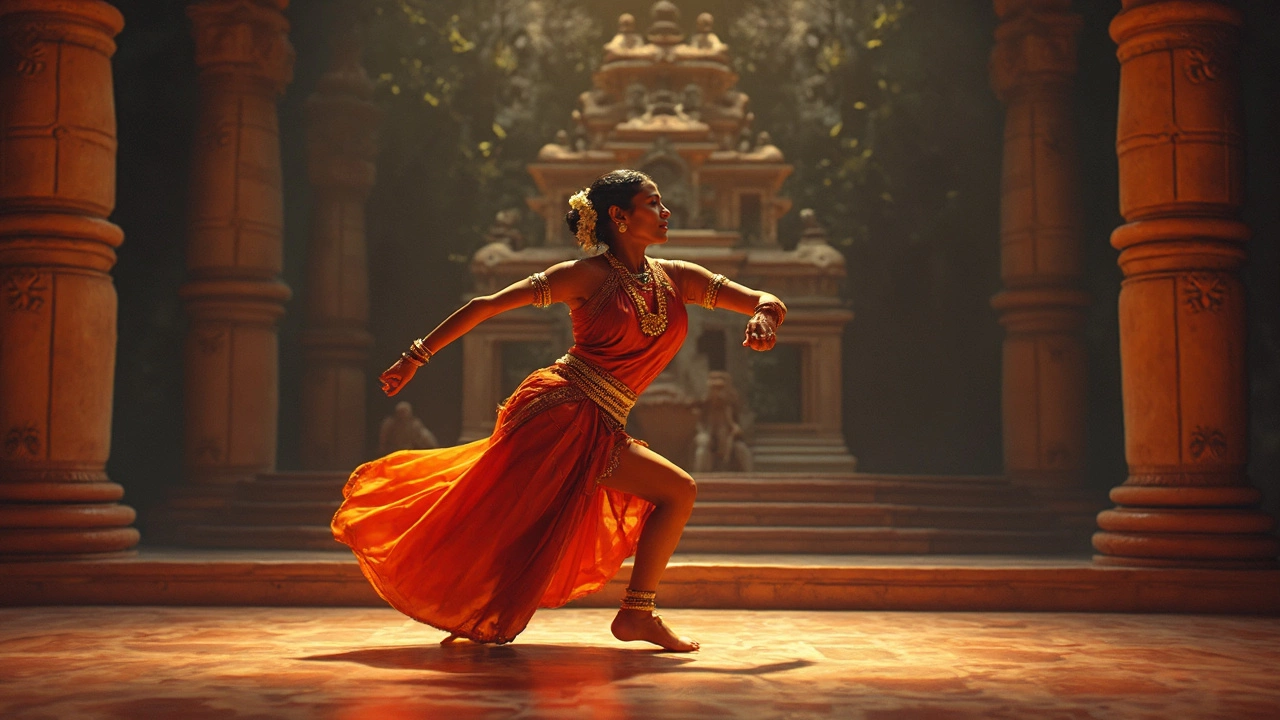
When we talk about uniqueness, the distinct qualities that set one thing apart from others in Indian culture, few regions match the depth and continuity of Tamil traditions. This isn’t just about old customs—it’s about living practices that have survived for over two thousand years, unchanged in spirit, even as the world around them shifted. The Tamil culture, the language, arts, rituals, and social systems of the Tamil-speaking people of South India doesn’t borrow its identity—it builds it from the ground up, with roots in ancient Sangam literature, temple rituals, and village-level folk systems that still thrive today.
Look at Tamil folklore, the oral traditions, myths, and performance arts passed down through generations in Tamil Nadu. It’s not just stories—it’s Karakattam dancers balancing pots on their heads while singing to goddesses, Puliyattam performers dressed as tigers moving through villages to ward off evil, and Theru Koothu plays that blend drama, music, and ritual in open-air stages. These aren’t tourist shows. They’re alive, local, and deeply tied to community identity. Compare that to other regions where folk traditions have been sanitized for festivals. In Tamil Nadu, they’re still part of daily spiritual life. Then there’s Carnatic music, a classical music system from South India with complex ragas, rhythmic cycles, and devotional focus. Unlike Hindustani music, which evolved in royal courts with Persian influence, Carnatic music stayed rooted in temple rituals. Its structure is rigid, its grammar precise, and its emotional depth tied to centuries of liturgical practice. You won’t find this level of discipline and spiritual connection in most other musical traditions.
And then there are the festivals. While Diwali is celebrated across India, Tamils don’t just celebrate it—they blend it with Karthigai Deepam, a festival of lights that predates Diwali in the region. Navratri lasts fifteen days here, not nine. The way sweets are offered, the way lamps are lit in rows along temple walls, the way songs are sung in Tamil instead of Sanskrit—these aren’t minor differences. They’re expressions of cultural autonomy. Even food taboos and language use reflect this uniqueness. You won’t find the same mix of vegetarianism, ritual purity, and regional spice profiles anywhere else in India. This isn’t about being different for the sake of it. It’s about continuity. The uniqueness of Tamil culture lies in its refusal to be absorbed, its ability to adapt without losing core identity. Below, you’ll find articles that dig into these very threads—the myths, the music, the rituals, the quiet acts of preservation that keep this culture alive. Each one reveals another layer of what makes Tamil heritage not just old, but irreplaceable.