Traditional Indian Clothing: Styles, Regions, and What People Really Wear
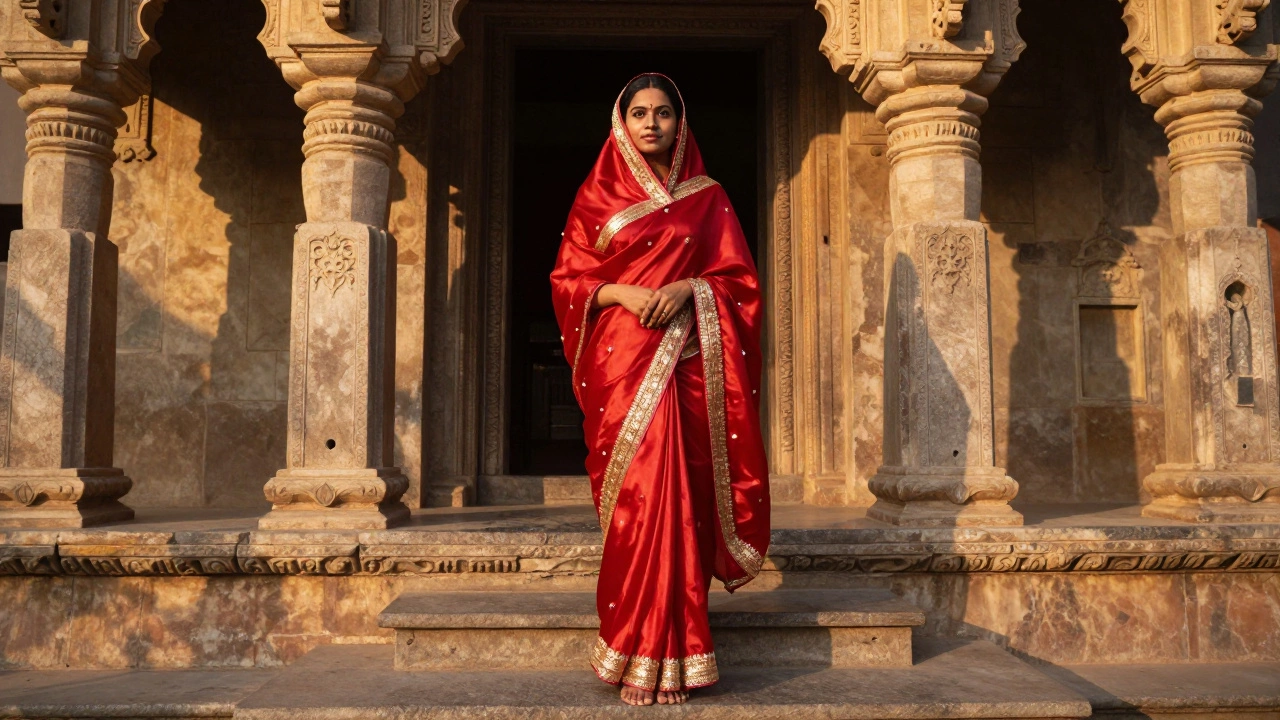
When people think of traditional Indian clothing, the everyday garments worn across India’s many communities, often tied to region, religion, and season. Also known as Indian ethnic wear, it’s not a single style—it’s hundreds of local traditions stitched into fabric. You won’t find one ‘Indian outfit.’ Walk through a village in Tamil Nadu and you’ll see women in cotton sarees, a draped garment with regional weaving styles like Kanchipuram silk or Madurai cotton. In Punjab, men wear kurta-pajama, a loose tunic paired with tailored pants, often bright and embroidered. In the northeast, tribal groups wear handwoven shawls with patterns passed down for generations. Each piece tells a story—not just about fashion, but about climate, caste, work, and identity.
What you wear isn’t just about looking good. In rural India, a woman might choose a cotton saree for fieldwork because it’s breathable and safe around livestock. A man in a dhoti, a simple wrapped cloth worn by men, especially in temples and during rituals isn’t being traditional for show—he’s following a daily practice that’s easier to manage in hot weather than pants. Even in cities, you’ll see office workers swap suits for linen kurtas on Fridays. The shift isn’t nostalgia—it’s comfort, practicality, and quiet pride. Textiles matter too: Banarasi silk, Chanderi cotton, Bhagalpuri mulberry—these aren’t just labels. They’re regional economies, centuries-old looms, and family trades still alive today.
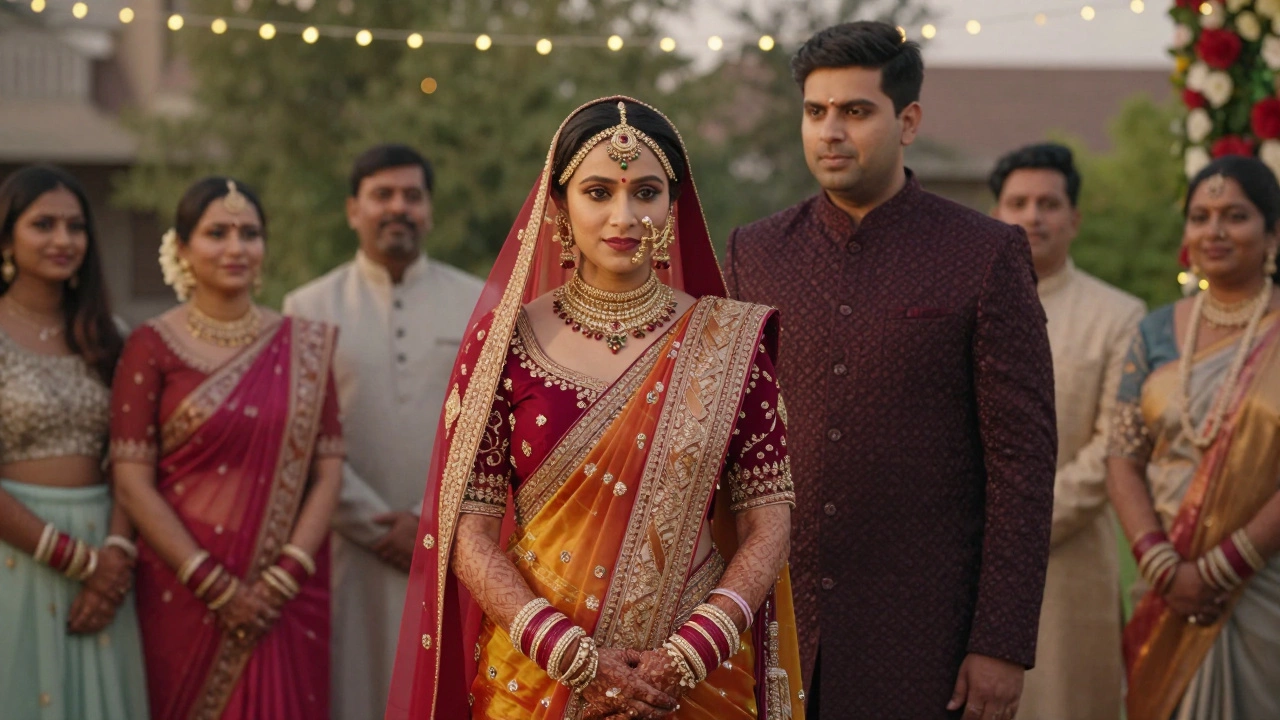
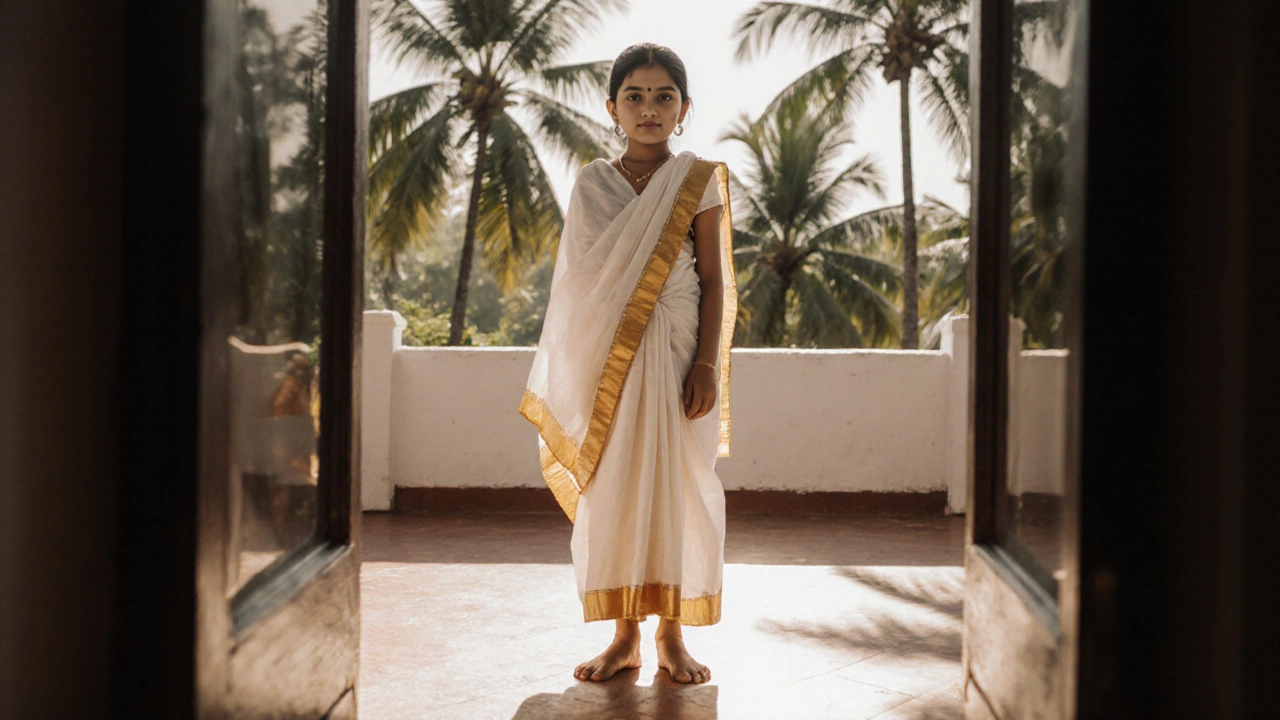
There’s no single rulebook for Indian clothing. It changes with the season, the festival, the caste, the state, and even the time of day. What a bride wears in Kerala is different from what one wears in Rajasthan. What a farmer puts on at sunrise isn’t what a temple priest wears at noon. And while global brands push ‘ethnic chic,’ real tradition lives in the hands of weavers, tailors, and grandmothers who still teach their grandkids how to drape a saree without pins.
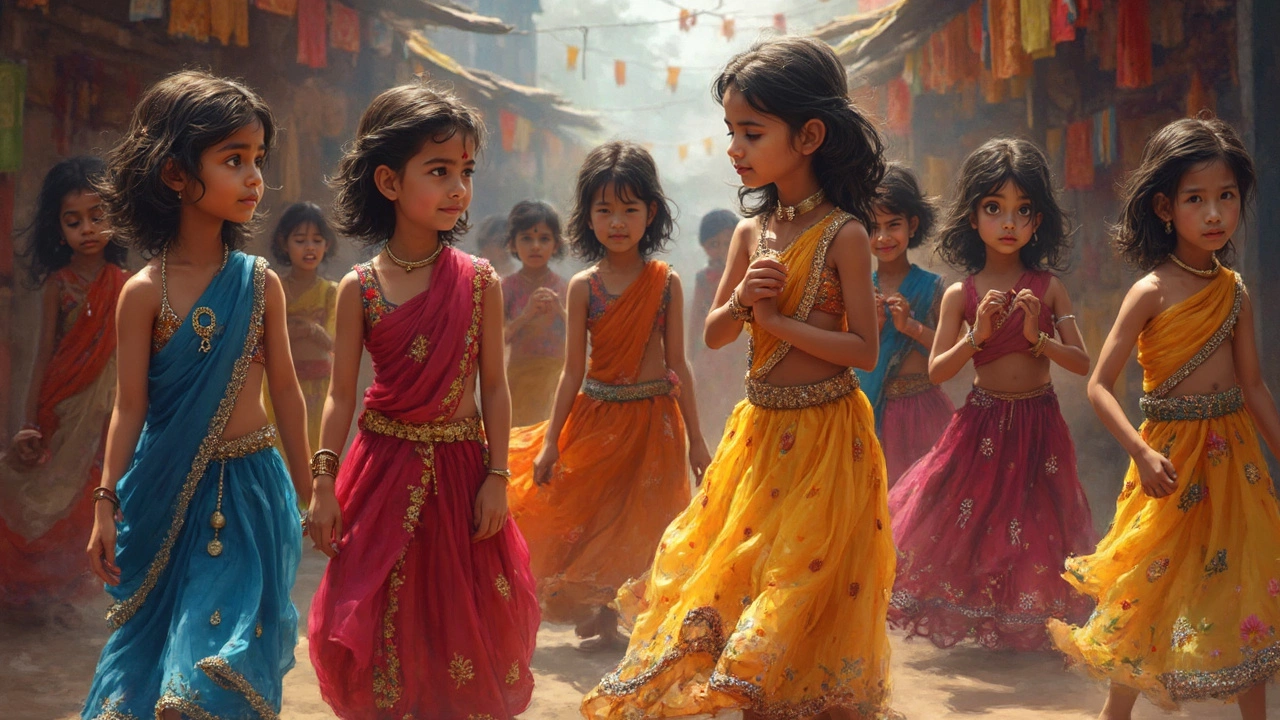
Below, you’ll find real stories about what people actually wear—how Diwali changes outfits in Tamil homes, why some communities avoid certain fabrics, and how folk dances like Karakattam demand specific attire. These aren’t museum pieces. They’re living habits, worn every day by millions across India.