What Is Tamil Folklore? A Deep Dive into Tamil Nadu’s Folk Traditions
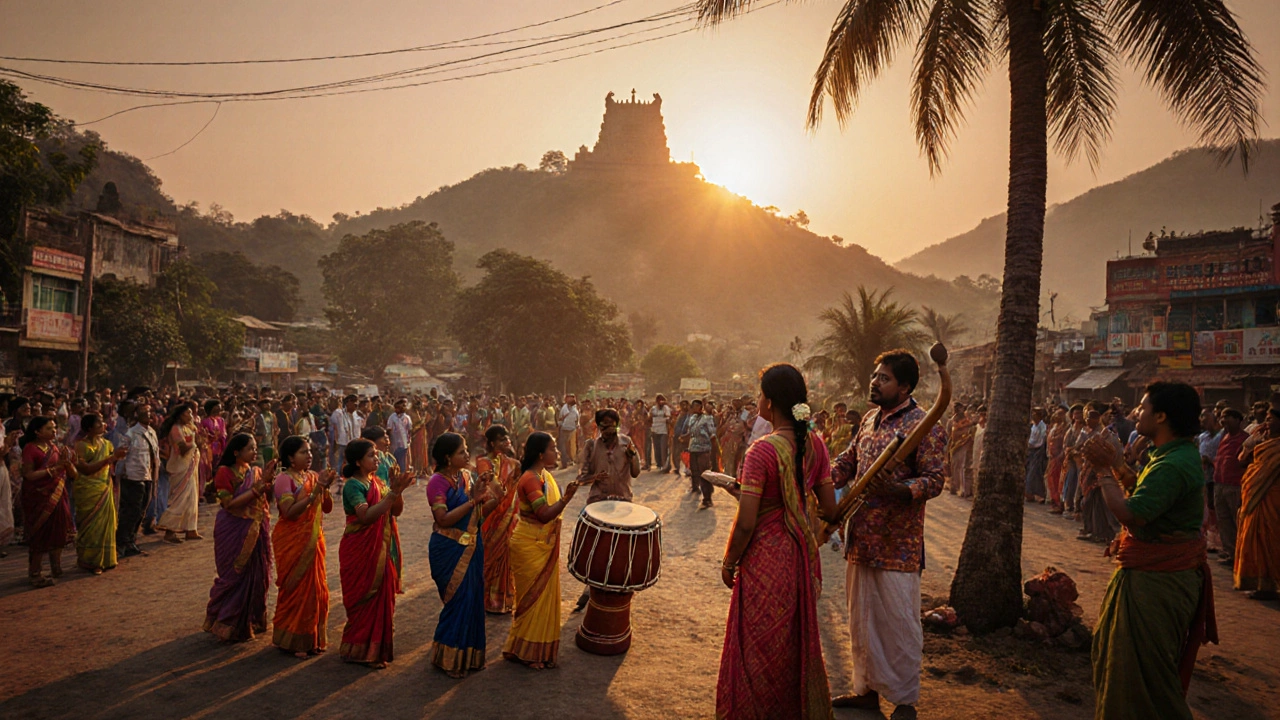
Explore Tamil folklore's myths, music, dance, and rituals. Learn about Karakattam, Puliyattam, Theru Koothu, and how Tamil Nadu preserves its vibrant folk heritage.
When we talk about Tamil cultural heritage, the deep-rooted traditions, languages, arts, and rituals passed down through generations in Tamil-speaking communities. Also known as Tamil tradition, it is not just history—it’s what people live every day, from morning prayers at home shrines to the drumbeats of a village festival. This heritage isn’t locked in museums or books. It’s in the way a grandmother teaches a child to make kolam patterns at dawn, in the call of a veena echoing through a temple courtyard, and in the rhythm of folk songs sung while harvesting rice.
At its core, Tamil cultural heritage includes three major pillars: Tamil language, one of the world’s oldest living languages, with literature dating back over 2,000 years, Tamil festivals, like Pongal and Karthigai Deepam, where light, harvest, and devotion blend into communal celebration, and Tamil arts, from Bharatanatyam dance to folk music forms like bol banao, where rhythm carries meaning even without words. These aren’t separate elements—they feed each other. The language holds the songs, the festivals give them context, and the arts bring them to life.
You won’t find Tamil heritage only in Tamil Nadu. It lives in Sri Lankan villages, in Singapore’s street temples, in the kitchens of Tamil families in Toronto, and in the chants of diaspora elders teaching their grandchildren. It’s not static. It adapts. Diwali is celebrated differently in Chennai than in Delhi, and that’s not a mistake—it’s evolution. The same way Carnatic music holds its structure but lets each musician add their own soul, Tamil culture keeps its bones while letting the flesh change with time.
What you’ll find below isn’t a list of old customs. It’s a collection of real stories—why blue gods appear in Tamil art, how a rural singer turns nonsense syllables into emotional poetry, why some families give sweets during Diwali while others light oil lamps for Karthigai, and how a 15-day festival like Navratri finds its place in a Tamil household. These aren’t random posts. They’re pieces of a bigger puzzle: the living, breathing, sometimes surprising world of Tamil cultural heritage.
Explore Tamil folklore's myths, music, dance, and rituals. Learn about Karakattam, Puliyattam, Theru Koothu, and how Tamil Nadu preserves its vibrant folk heritage.