Spicy Food: What Makes Tamil Cuisine So Bold and Why It Matters
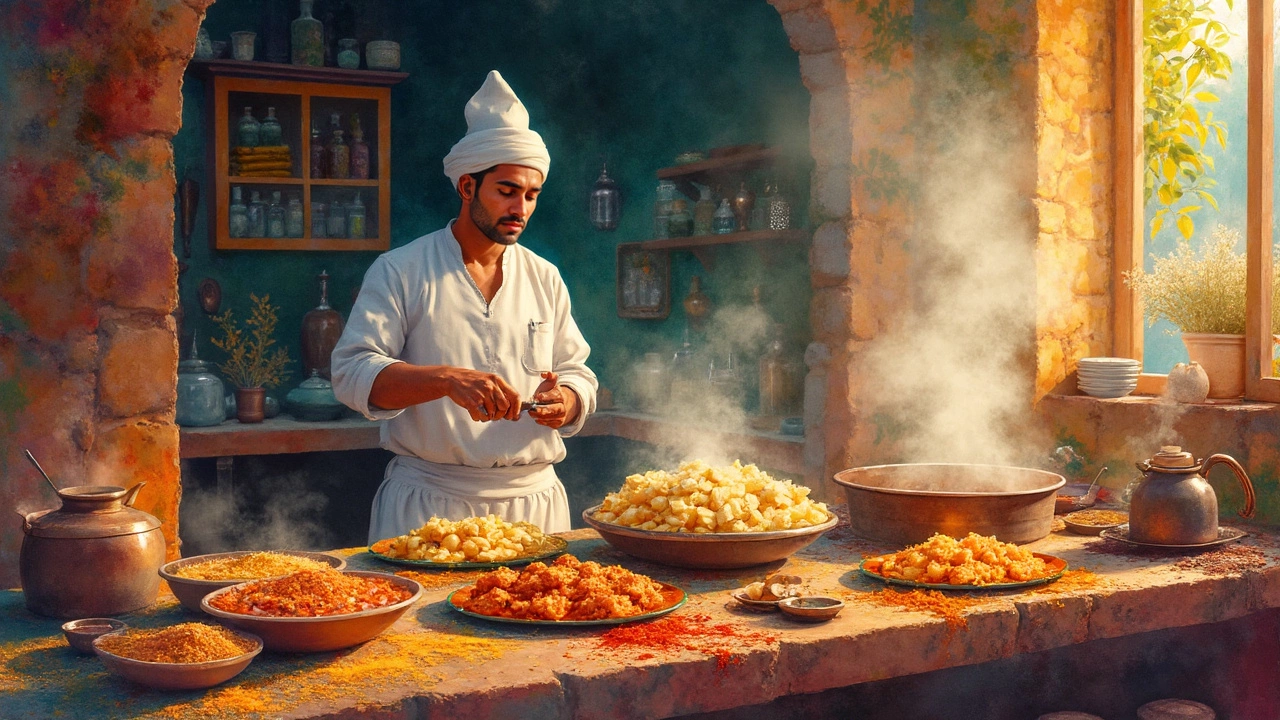
When we talk about spicy food, a culinary experience defined by heat, aroma, and deep-rooted regional traditions. Also known as hot food, it’s not just about burning tongues—it’s about activating taste, triggering digestion, and carrying centuries of knowledge in every bite. In Tamil Nadu, spicy food isn’t an option. It’s the foundation. From the morning rasam to the evening sambar, heat isn’t an accident—it’s engineered.
What makes Tamil spicy food different? It’s not just chili peppers—though those are everywhere. It’s the way black pepper, dried red chilies, mustard seeds, and fenugreek are toasted, ground, and layered. Unlike some cuisines that add heat as an afterthought, Tamil cooking builds spice into the structure. The Tamil cuisine, a vibrant culinary tradition from South India centered on rice, lentils, and bold spice blends uses heat as medicine, as flavor, and as ritual. You’ll find it in the fiery kuzhambu served during temple festivals, in the chili-laced pickles that last all year, and in the way grandmothers adjust heat based on the season—more in winter to warm the body, less in summer to avoid internal fire.
The Indian spices, a diverse group of aromatic seeds, roots, and pods used for flavor, preservation, and healing in South Asian cooking here aren’t imported trends. They’re local. The red chilies from Guntur, the black pepper from Wayanad, the curry leaves from backyard trees—each has a story. And each plays a role in how heat is balanced. It’s never just hot. It’s complex. It’s layered. It’s meant to make you sweat, then crave more.
Spicy food in Tamil culture doesn’t just live on the plate. It shows up in festivals, in healing practices, even in how people talk about mood. A dish that’s too mild? "It’s like eating air," they say. Too hot? "It’s not food, it’s punishment." There’s a middle ground—and it’s where Tamil cooking shines. You’ll find this balance in the posts below: how heat is used in daily meals, how it connects to health, how it’s adapted by the diaspora, and why it’s never just about the burn.
What you’ll see here aren’t just recipes. They’re stories of fire, tradition, and identity. Whether it’s why a certain chili variety dominates village kitchens, how Ayurveda views spice as both remedy and risk, or how Tamil families teach kids to handle heat from childhood—you’ll find the real reasons behind the heat. No fluff. No filler. Just the truth about what makes Tamil food burn so good.