South Indian Cuisine: Flavors, Traditions, and Regional Specialties
When you think of South Indian cuisine, a distinct culinary tradition from the southern states of India, rooted in temple rituals, monsoon harvests, and coastal trade routes. Also known as Dravidian cuisine, it stands apart from the rich gravies of the north with its focus on rice, lentils, tamarind, and fresh coconut. This isn’t just food—it’s culture served on a banana leaf. While North India leans into wheat and dairy, the south thrives on fermented batters, coconut oil, and a spice blend that makes even simple dishes unforgettable.
At the heart of this cuisine are staples like idli, steamed rice and lentil cakes that are light, tangy, and eaten daily across Tamil Nadu and Karnataka, and dosa, crispy fermented crepes that come stuffed with spiced potatoes or served plain with coconut chutney. These aren’t restaurant curiosities—they’re breakfasts, snacks, and sometimes even dinner, made in homes from recipes passed down for generations. Then there’s sambar, a lentil-based vegetable stew flavored with tamarind, mustard seeds, and dried chilies, unique to the south and served with almost every meal. It’s not just a side dish; it’s the flavor anchor of the plate.
Coastal regions like Kerala and Tamil Nadu bring in seafood, curry leaves, and coconut milk in ways you won’t find elsewhere. Inland, you’ll find temple offerings like pongal, a sweet rice dish made with jaggery and ghee, or avial, a mixed-vegetable curry with coconut and yogurt. The use of asafoetida, fenugreek, and dried red chilies isn’t random—it’s a science honed over centuries to balance heat, sourness, and earthiness. And while North Indian food often hides behind cream and butter, South Indian meals let each ingredient speak clearly.
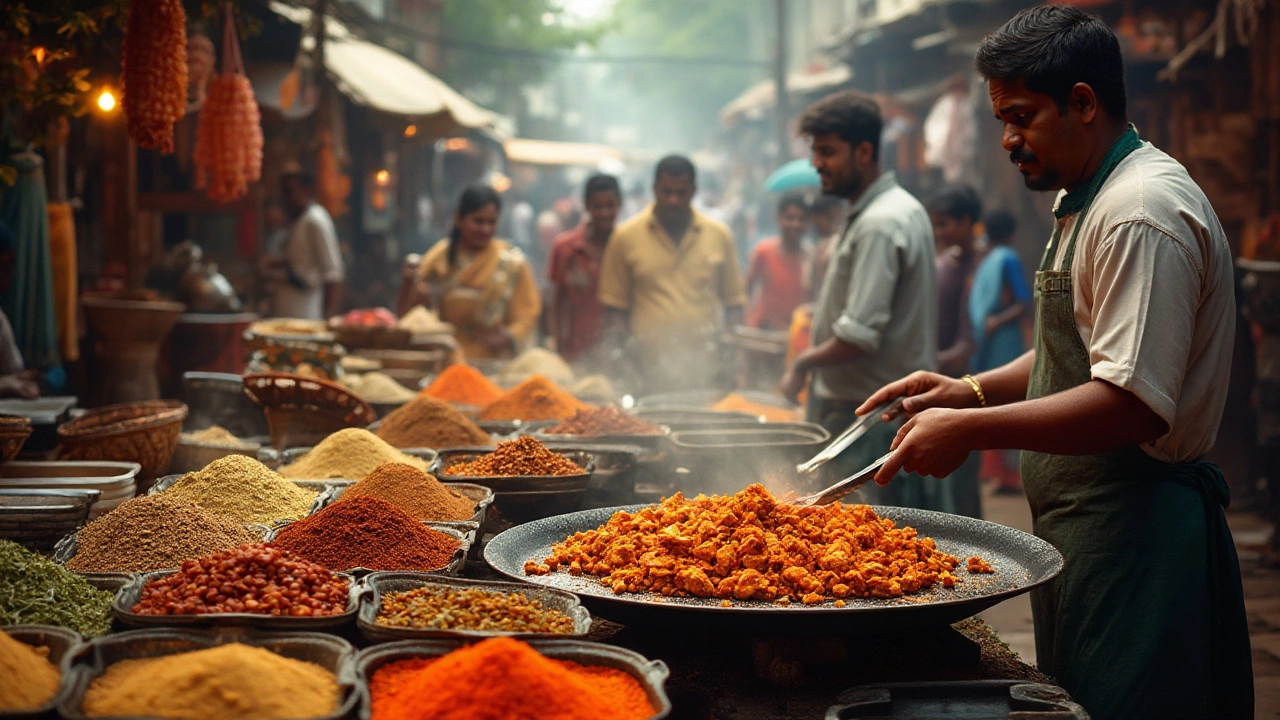
You’ll find these flavors in the daily rhythm of Tamil households, in the steam rising from street-side stalls in Madurai, and in the temple kitchens of Srirangam. Even festivals like Diwali and Pongal have their own special dishes—sweet pongal for harvest, coconut laddoos for blessings. This isn’t just about taste. It’s about identity, seasonality, and community.
Below, you’ll find articles that unpack these dishes, explain their origins, and show how they connect to broader Tamil traditions—from the way rice is soaked overnight to why certain spices are used in rituals. Whether you’re curious about why idli batter ferments, how coconut oil shapes flavor, or how Tamil communities celebrate food during festivals, the stories here will give you more than recipes—they’ll give you context.