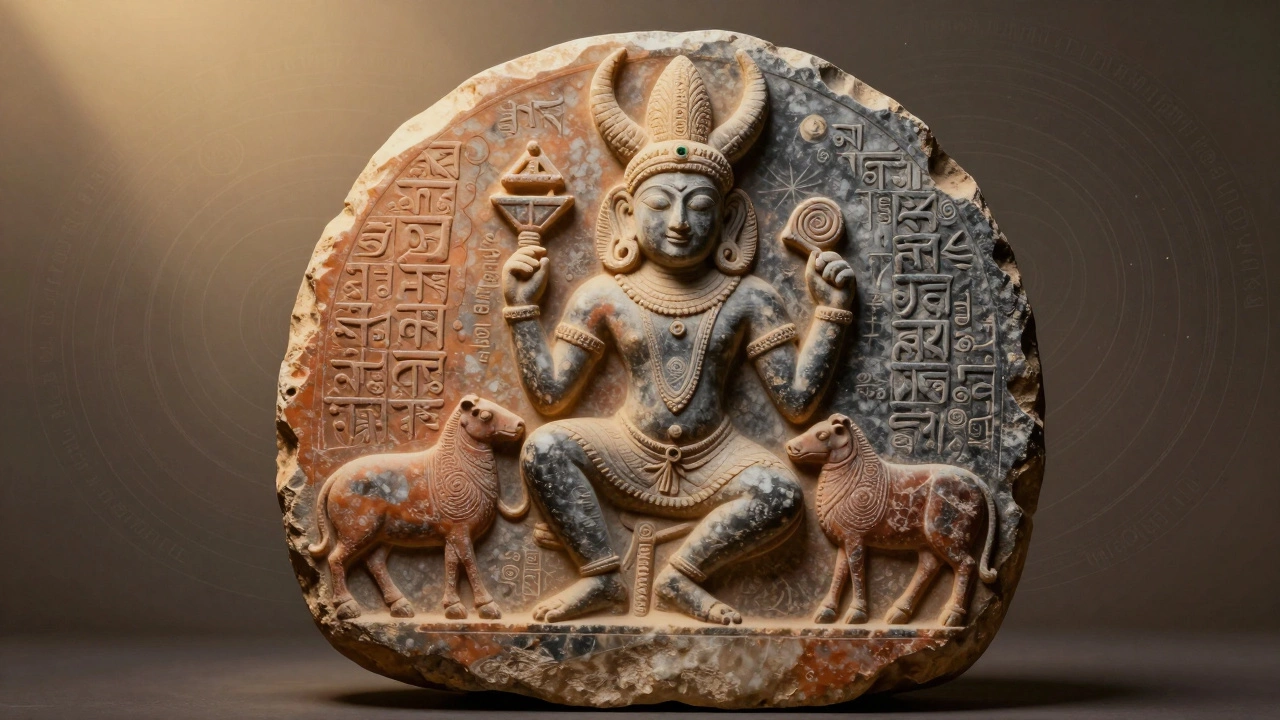
Shiva: The Hindu God of Destruction and Transformation
When you think of Shiva, the Hindu deity associated with destruction, meditation, and cosmic dance. Also known as Mahadeva, it is not just a god of endings—but of renewal, balance, and profound inner power. In Tamil Nadu, Shiva isn’t just worshipped in grand temples like Madurai Meenakshi or Chidambaram—he’s woven into daily life, folk songs, and even the rhythm of traditional dances like Karakattam. He’s the quiet yogi meditating on Mount Kailash, the wild dancer smashing ignorance, and the gentle father to Ganesha and Kartikeya—all at once.
Why do so many Indian gods, including Shiva, have blue skin? It’s not a style choice. Blue represents the infinite—like the sky and the ocean—symbolizing that Shiva transcends form and time. His third eye isn’t just for seeing the future; it’s a reminder to burn away illusion. His trident? It stands for the three forces of creation, preservation, and destruction. And the snake around his neck? Not a threat—it’s control over fear and ego. In Tamil culture, Shiva is often called Thirumal or Kadavul, terms that carry deep spiritual weight beyond just a name. His presence isn’t limited to temples. You hear him in the chants of temple priests, see him in the clay statues sold at village fairs, and feel him in the silence before dawn when people light oil lamps in their homes.
Shiva’s connection to Tamil heritage runs deep. Unlike some gods who are more prominent in the north, Shiva has always been central in the south. The Tamil saints, the Nayanars, spent their lives singing his praises in simple, powerful verses that still echo in homes today. His dance—the Tandava—isn’t just myth; it’s the heartbeat of Bharatanatyam, a classical dance form born in Tamil Nadu. Even modern Tamil films and music draw from his stories, turning ancient symbols into living art. And while people in Gujarat might avoid meat for spiritual reasons, in Tamil villages, offering milk and bilva leaves to Shiva is part of how families honor him—not out of ritual alone, but because it feels right.
What you’ll find in the posts below isn’t just a list of articles about Shiva. It’s a collection of real, grounded stories—how his image shows up in folk art, why his blue skin matters, how he’s tied to yoga and Ayurveda, and how Tamil families keep his legacy alive without grand ceremonies. You’ll see how one god connects to language, music, healing, and daily ritual across India—not as a distant figure, but as a living presence.