Regional Dance in Tamil Culture: Traditions, Styles, and Living Heritage
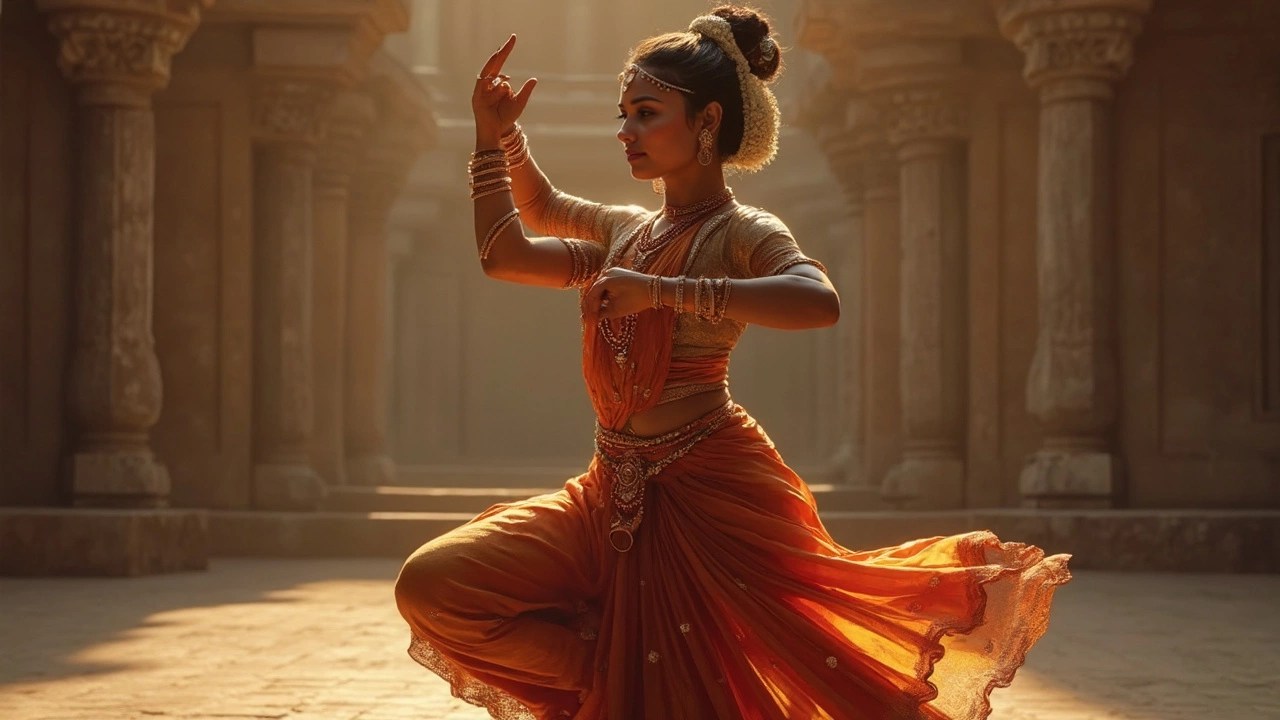
When you think of regional dance, a form of cultural expression tied to specific geographic communities, often passed down through generations. Also known as folk dance, it’s not just movement—it’s identity in motion. In Tamil Nadu, regional dance isn’t something you watch on stage. It’s something you see in temple courtyards, village festivals, and monsoon processions. These dances carry stories older than written records, blending devotion, rhythm, and raw human energy.
Take Karakattam, a traditional Tamil dance where performers balance ornate pots on their heads while dancing to drumbeats. Also known as karakam, it originated as an offering to the rain goddess Mariamman. Dancers move in precise, hypnotic steps, sometimes for hours, without spilling a drop. Then there’s Theru Koothu, a street theatre-dance form that combines drama, music, and satire to tell mythological and social stories. Also known as therukoothu, it’s performed in open-air arenas with minimal props, relying on powerful vocals and exaggerated gestures to hold crowds. And let’s not forget Puliyattam, the tiger dance, where performers paint their bodies in yellow and black, move like wild cats, and embody ancient forest spirits. Also known as tiger dance, it’s not costume play—it’s ritual transformation.
These dances don’t exist in isolation. They’re tied to harvest cycles, temple rituals, and community healing. You won’t find them in ballet schools or global talent shows. They thrive where people still gather in circles, where drums are made from animal skin and wood, and where the line between worship and performance is invisible. That’s why they’re fading in cities—but still alive in villages where elders teach children not just steps, but meaning.
What you’ll find in the posts below are deep dives into these dances—not just how they look, but why they matter. You’ll learn how Karakattam survived colonial suppression, how Theru Koothu tackles modern issues like corruption and caste, and how Puliyattam connects to ancient tribal beliefs still held today. These aren’t museum pieces. They’re living, breathing traditions that still shape how Tamil people see themselves, their gods, and their land.