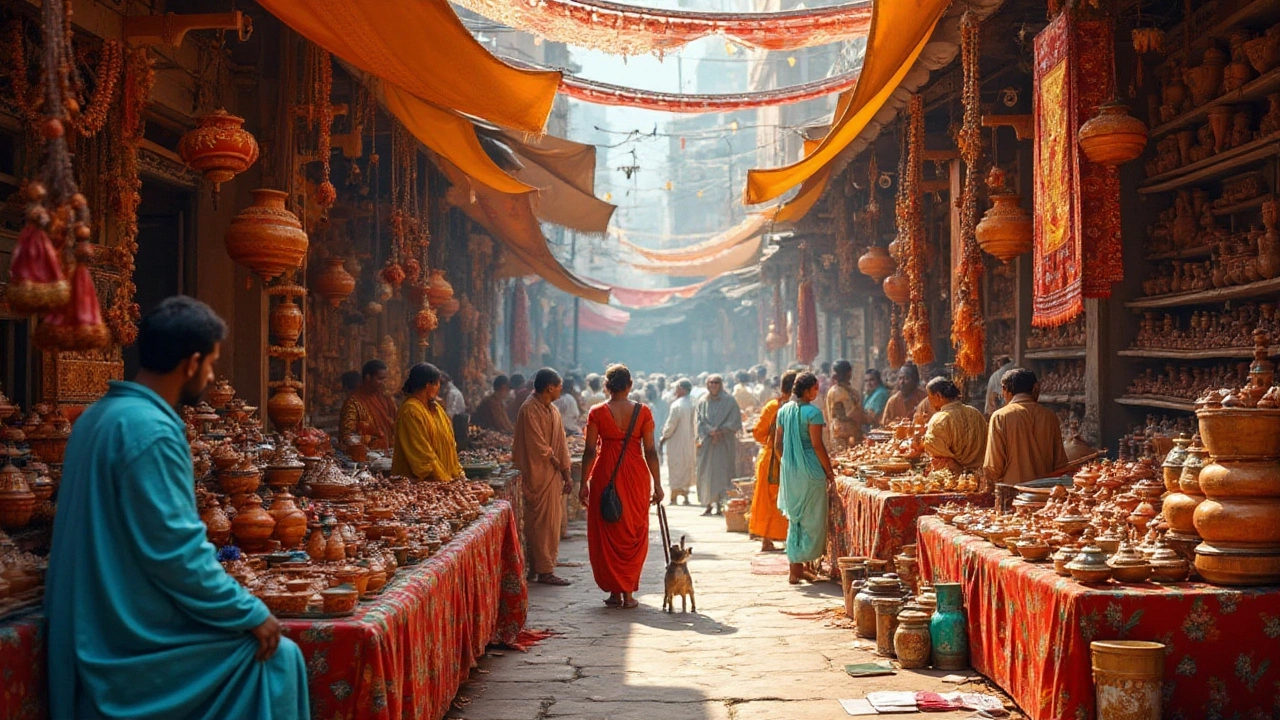
Popular Crafts in Tamil Culture: Traditional Artisans and Handmade Treasures
When you think of popular crafts, handmade objects made with skill and cultural meaning, often passed down through generations. Also known as traditional arts, these are more than decorations—they’re living expressions of identity, belief, and community in Tamil Nadu. These aren’t souvenirs from a gift shop. They’re the result of years of training, quiet patience, and deep-rooted rituals. From the bronze statues in temple courtyards to the colorful kolams drawn at dawn, popular crafts in Tamil culture are woven into daily life.
Many of these crafts are tied to Tamil Nadu handmade goods, artisan-made items like textiles, pottery, and metalwork that reflect local materials and techniques. You’ll find folk art Tamil Nadu, visual and performing traditions rooted in rural communities, often linked to festivals and storytelling in places like Kumbakonam, Madurai, and Thanjavur. Artisans there still use methods unchanged for centuries: hand-pounding metal for Nataraja idols, weaving silk on wooden looms, or painting temple chariots with natural pigments. These aren’t just skills—they’re acts of devotion. A single Kalamkari textile can take weeks. A bronze statue requires over a dozen steps, from wax modeling to fire casting. And every piece carries a story: of gods, of harvests, of women singing while they weave.
These crafts don’t exist in isolation. They’re connected to traditional Tamil artisans, skilled makers who inherit their craft from family and community, often working without formal training but with deep cultural knowledge. Many are women who pass down embroidery patterns to daughters. Others are men who’ve spent 50 years shaping clay into temple lamps. Their work isn’t always visible in cities—but it’s alive in villages where the rhythm of the loom or the tap of a chisel still echoes through the morning air. You won’t find these in mass-produced markets. You’ll find them in small workshops, temple bazaars, and family homes where the next generation is learning, slowly, carefully, to keep it alive.
What you’ll see in the posts below isn’t just a list of crafts. It’s a look at how these traditions survive—through festivals like Karthigai Deepam, where oil lamps are handmade by the dozen; through rituals like Theru Koothu, where painted masks tell ancient stories; and through quiet moments when a grandmother teaches a child how to tie a knot in a silk thread. These aren’t relics. They’re breathing, changing, deeply human practices. And they’re still being made—right now—by people who know exactly why they matter.