Indian Mythology: Gods, Symbols, and Stories That Shape a Culture
When you hear Indian mythology, a vast system of sacred stories, deities, and symbolic traditions rooted in ancient Indian texts like the Vedas, Puranas, and epics. Also known as Hindu mythology, it's not just history—it's a living framework that guides rituals, art, festivals, and even how people see the world. This isn’t a collection of fairy tales. These stories explain why gods are painted blue, why sweets are shared during Diwali, and how a folk song without words can carry centuries of meaning.
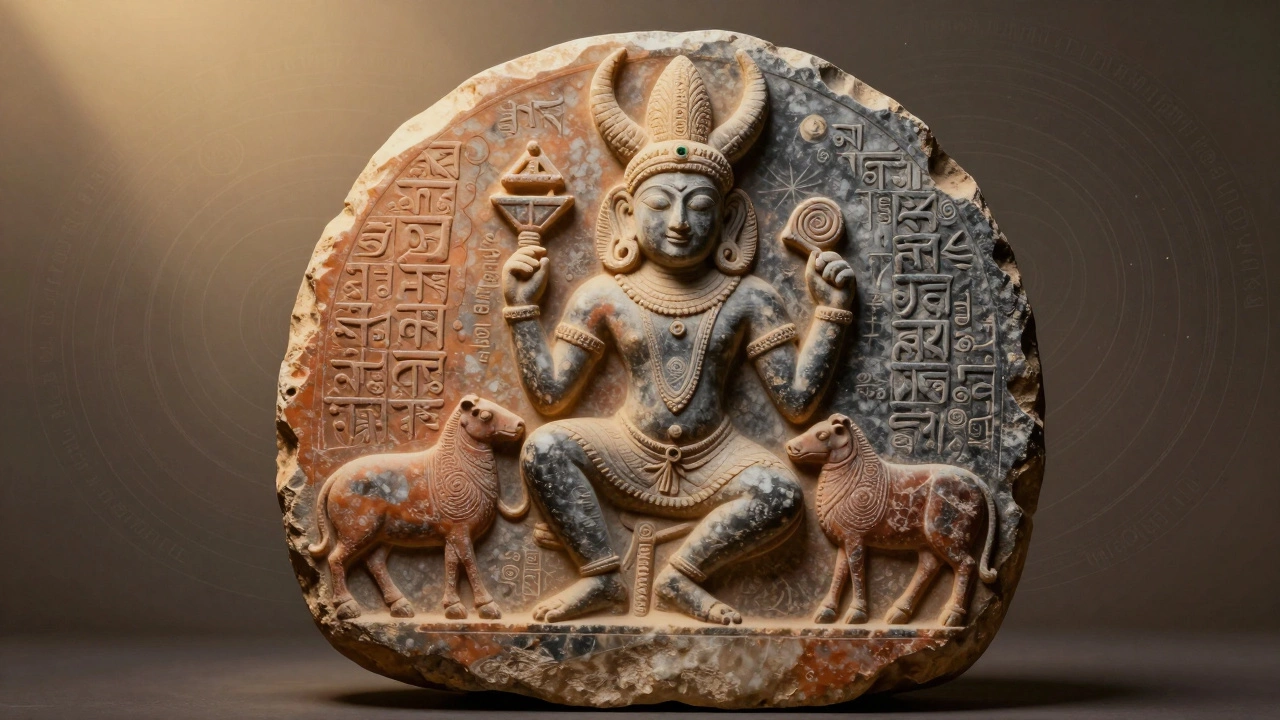
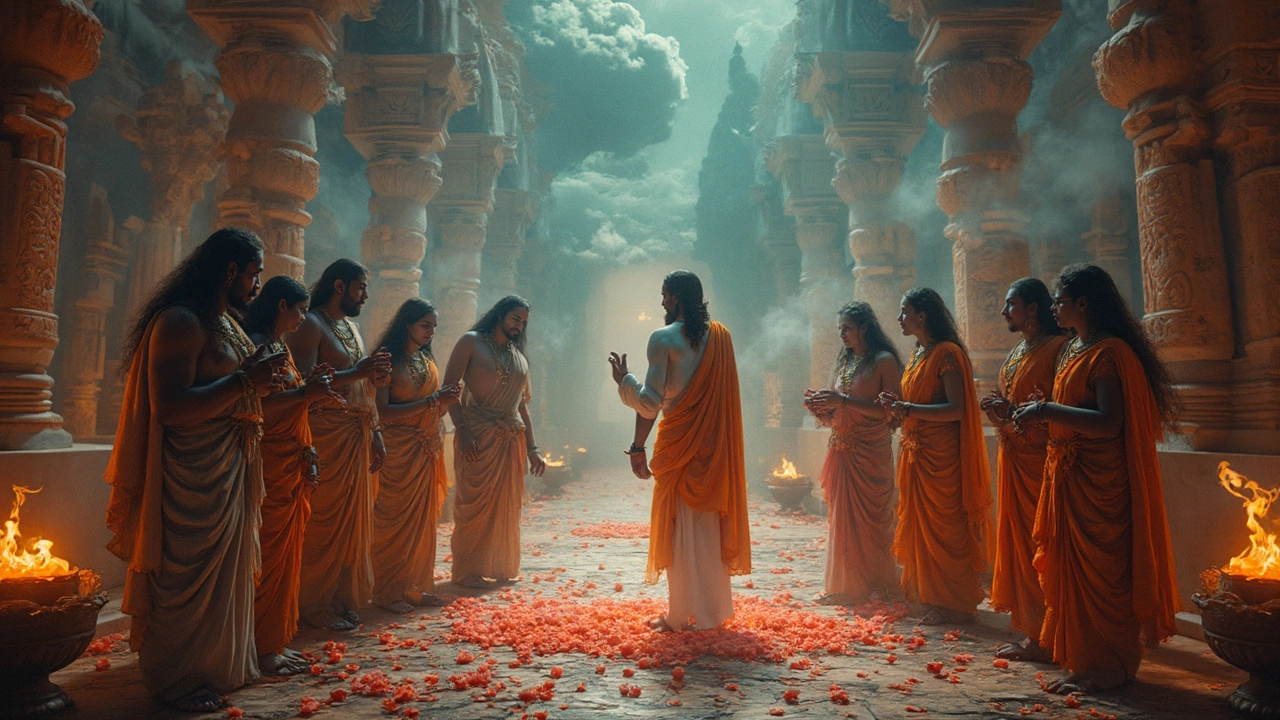
Indian mythology Hindu gods, divine figures like Krishna, Shiva, and Durga who embody cosmic forces and human virtues aren’t just worshipped—they’re understood through symbols. Blue skin? It represents infinity. The trident? Control over creation, preservation, and destruction. These aren’t random artistic choices. They’re coded messages passed down for millennia. And these same symbols show up in Hindu festivals, annual events like Diwali, Holi, and Navaratri that reenact mythological events and renew community bonds. When you light a diya during Diwali, you’re not just celebrating light—you’re retelling the return of Lord Rama. When you throw colored powder at Holi, you’re joining a story of love triumphing over ego.
But Indian mythology doesn’t stop at the temples. It flows into everyday life—in the rhythm of Indian folklore, oral traditions, regional legends, and folk practices that vary from village to village, often blending with local beliefs. Think of the Jalpari, the mermaid of Tamil and Bengali rivers, or the nonsense singing called bol banao, where sounds carry emotion when words aren’t enough. These aren’t leftovers of the past. They’re active parts of how people make sense of joy, loss, and the unknown.
And while global media often reduces Indian mythology to colorful idols or exotic rituals, the real depth lies in its flexibility. The same god can be a fierce warrior in one story and a playful child in another. The same festival can mean different things in Tamil Nadu, Punjab, or Bengal. That’s not inconsistency—it’s adaptation. Indian mythology isn’t locked in stone. It breathes with the people who live it.
What you’ll find in the posts below isn’t a textbook. It’s a collection of real questions people ask: Why do some gods have blue skin? Is Diwali celebrated the same way in every part of India? What’s the truth behind Ayurveda’s connection to ancient beliefs? These aren’t abstract ideas—they’re lived experiences. And each article cuts through the noise to show you what these myths actually mean today—in kitchens, in temples, in songs, and in the quiet moments between rituals.