Indian Shorts: Names, Translations, and Traditional Alternatives
Explore what Indian shorts are called across languages, discover traditional alternatives, and learn where to buy the right pair for any occasion.
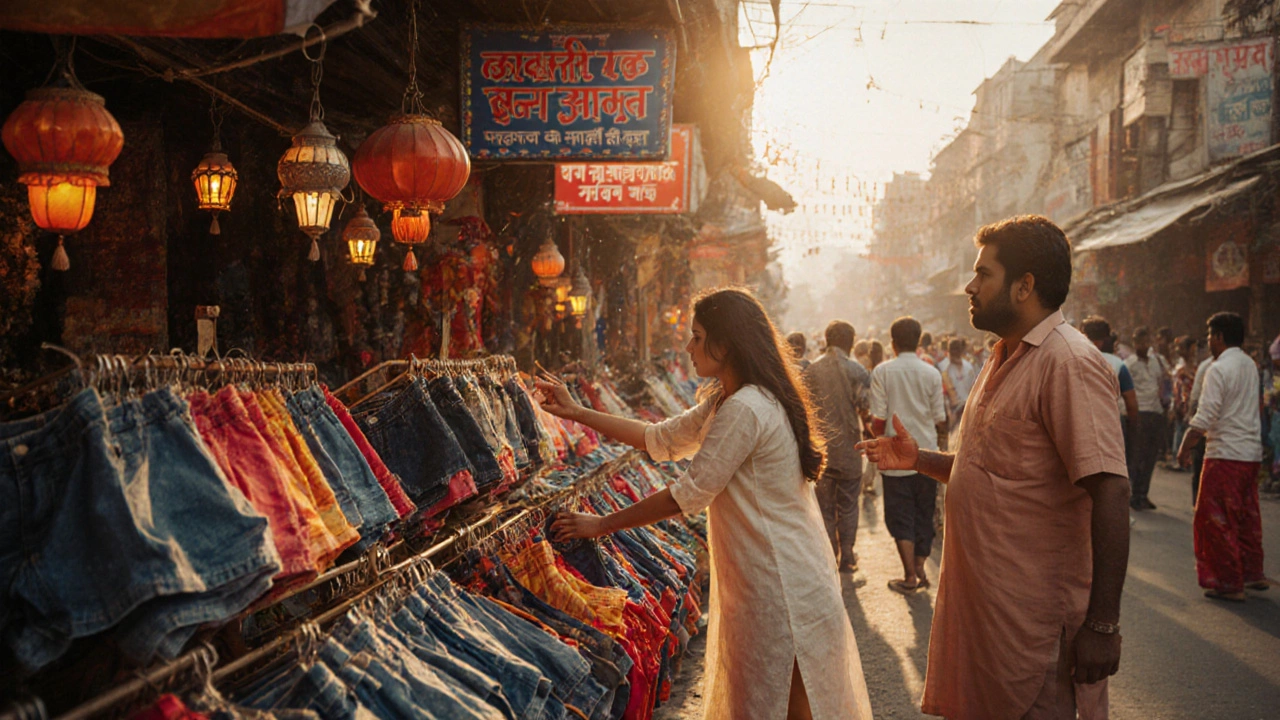
When we talk about Indian fashion shorts, a modern adaptation of traditional lower-body wear that blends comfort, cultural identity, and contemporary design. Also known as Indian casual trousers, they’re not just a trend—they’re a quiet revolution in how Indians dress every day. These aren’t the baggy gym shorts you’d find abroad. Indian fashion shorts are cut closer to the body, often made from cotton or linen, and sometimes feature subtle embroidery, block prints, or ties inspired by regional textiles like Kanchipuram silk or Madurai cotton.
They’re not new. Think of the dhoti, a centuries-old garment worn across South India, especially by men in Tamil Nadu and Kerala. Also known as mundu, it’s a single piece of cloth wrapped around the waist and legs, often tucked in a way that creates a loose, flowing silhouette. Over time, as people moved from villages to cities, the dhoti got shorter, simpler, and more practical. That’s where modern Indian fashion shorts come in—they’re the dhoti’s urban cousin. You’ll see them in Chennai during temple visits, in Coimbatore at local markets, and even in Bangalore offices where dress codes are relaxed.
What makes these shorts different from Western ones? It’s the fabric, the fit, and the meaning. In Tamil Nadu, you’ll find shorts with handwoven borders that match traditional lungis. In Maharashtra, they’re paired with kurtas for weekend outings. In Kerala, they’re worn with a shirt and no shoes—simple, cool, and deeply rooted in local climate and culture. These aren’t imported styles. They’re homegrown, shaped by heat, tradition, and the need to move freely.
And it’s not just men. Women in urban India are wearing shorts too—often longer, with elastic waists, and printed with motifs from Warli art or Kolam patterns. In places like Pondicherry or Coonoor, you’ll see young women in cotton shorts and kurtas heading to cafes or yoga studios. It’s not rebellion. It’s evolution. The same women who wear sarees for weddings now wear shorts for errands. The line between traditional and modern isn’t a wall—it’s a bridge.
Why does this matter? Because clothing tells a story. Indian fashion shorts reflect how people are redefining identity without losing roots. They’re worn by students, artists, farmers, and tech workers—all choosing comfort without sacrificing culture. You won’t find them in big mall chains. You’ll find them in local tailors’ shops, in family-run textile stalls, and in markets that still use handlooms.
Below, you’ll find articles that explore how these shorts connect to deeper traditions—from the way Tamil communities dress for festivals like Karthigai Deepam, to how folk music and dance influence fabric choices, and why some regions avoid shorts entirely. You’ll see how religion, climate, and daily life shape what people wear. No fluff. Just real stories from real people who’ve chosen shorts—not because they’re trendy, but because they work.
Explore what Indian shorts are called across languages, discover traditional alternatives, and learn where to buy the right pair for any occasion.