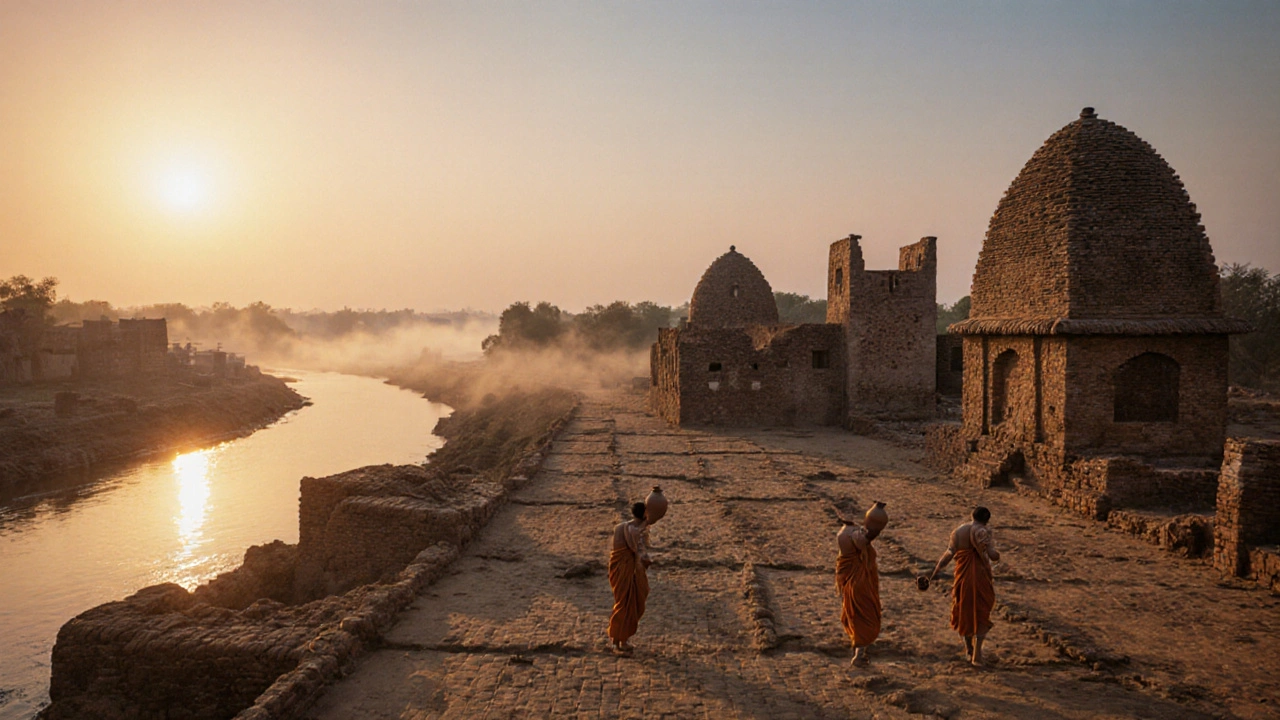
India’s Rich Cultural Heritage Explained
Explore India's rich cultural heritage, from ancient history and diverse religions to festivals, arts, architecture, cuisine, and traditional clothing.
When we talk about Indian cultural heritage, the living collection of traditions, beliefs, arts, and customs that have shaped life across the Indian subcontinent for thousands of years. Also known as South Asian cultural legacy, it’s not locked in museums—it’s in the rhythm of a Tamil folklore drumbeat, the scent of incense during Hindu festivals, and the quiet focus of someone practicing Ayurveda at dawn.
Indian cultural heritage isn’t one thing. It’s dozens of languages, hundreds of rituals, and countless ways people connect with the divine, the land, and each other. Take Diwali, for example. It’s celebrated from Delhi to Chennai, but in Tamil Nadu, it blends with Karthigai Deepam—oil lamps lit on hillsides instead of fireworks. That’s not just regional variation; it’s heritage adapting, not fading. Meanwhile, Indian classical music splits into two deep traditions: the Persian-influenced Hindustani north and the temple-rooted Carnatic south. Both carry ancient ragas, but they sound nothing alike. That’s heritage speaking in dialects.
And then there’s the quiet stuff—the nonsense singing called bol banao in rural villages, the way women balance pots on their heads during Karakattam, or why Krishna’s skin is painted blue in temple art. These aren’t decorations. They’re coded stories, passed down because they meant something. Ayurveda isn’t just herbal tea—it’s a whole system of balance tied to seasons, body types, and daily rhythm. And yes, it has risks, like heavy metals in unregulated powders, which is why people are starting to ask: Who’s really guiding this tradition? The same question comes up with yoga, where spiritual roots clash with modern gym culture. Indian cultural heritage isn’t static. It’s being questioned, revived, and sometimes sold. But the core? The songs, the dances, the fasting days, the food taboos—they’re still alive in kitchens, temples, and street corners.
What you’ll find below isn’t a textbook. It’s real stories from real people—why a Tamil family lights lamps differently than a Punjabi one, how a folk singer in Andhra keeps a 500-year-old tune alive, or why some Hindus avoid garlic during certain festivals. These aren’t random facts. They’re pieces of a much bigger picture: a culture that survives not because it’s perfect, but because it’s deeply, stubbornly human.
Explore India's rich cultural heritage, from ancient history and diverse religions to festivals, arts, architecture, cuisine, and traditional clothing.
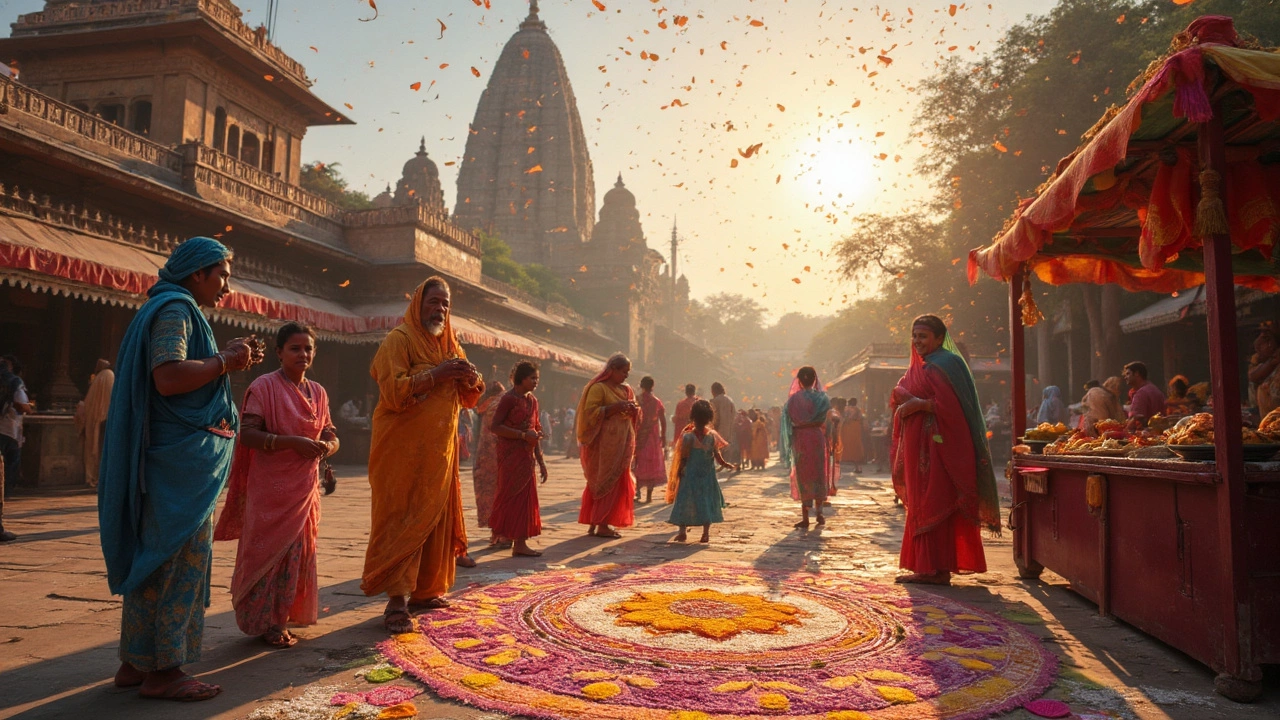
Indian cultural heritage packs an incredible mix of traditions, art, languages, and food that stretches back thousands of years. From intricate temples to spicy street food, you’ll find examples of creativity everywhere. This article explains what really matters when people talk about India’s cultural legacy. If you’re curious why Indian culture stands out and how to experience it yourself, you’re in the right spot. Expect tips, surprising facts, and ideas you can actually use.