Indian Crafts: Traditional Art, Regional Styles, and Living Heritage
When you think of Indian crafts, handmade objects created using age-old techniques passed through families and communities across India. Also known as folk art, these crafts are not just decorative—they carry stories, rituals, and identity. Every piece, whether it’s a terracotta doll from West Bengal or a silk sari from Tamil Nadu, is made by hand, often with tools and methods unchanged for centuries.
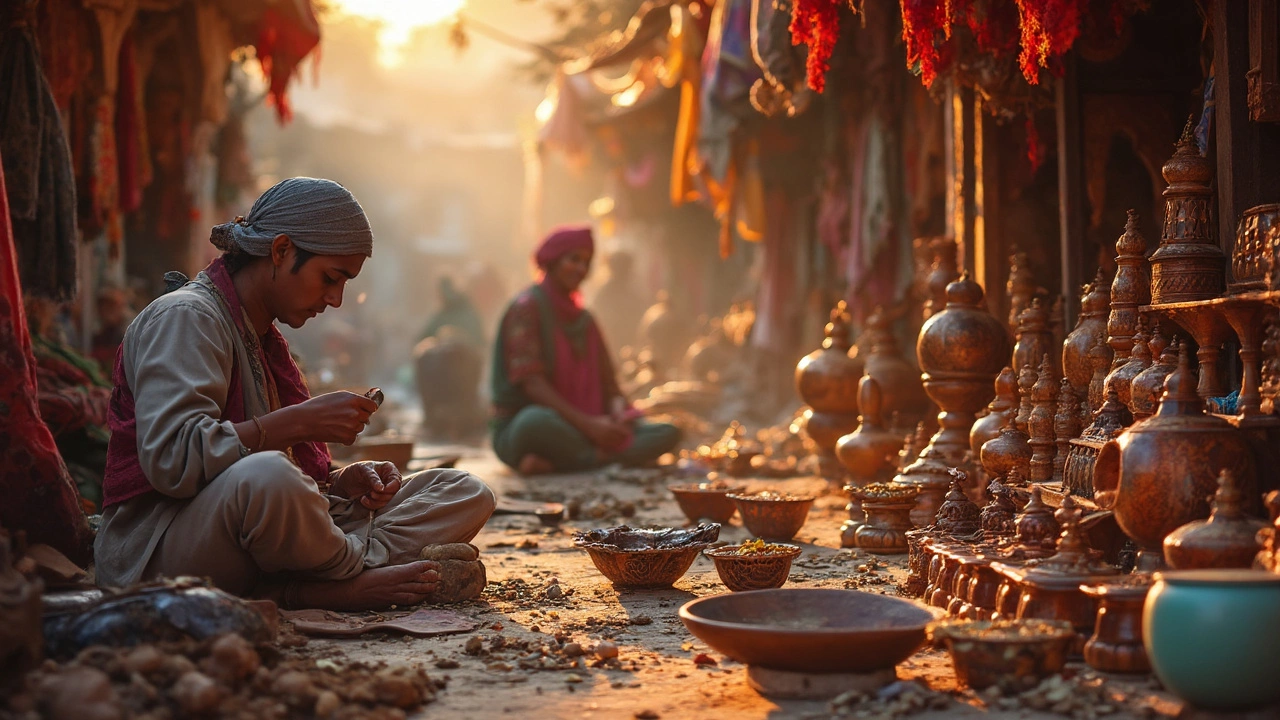
These crafts rely on deep local knowledge. Clay pottery, a craft found in villages from Gujarat to Odisha, uses locally sourced earth and wood-fired kilns. Handloom weaving, especially in places like Kanchipuram and Varanasi, involves intricate looms operated by skilled artisans who memorize patterns passed down from grandparents. And metalwork, like the brass lamps from Tamil Nadu or the Bidriware from Karnataka, blends alloy recipes and engraving styles unique to each region. These aren’t just products—they’re cultural records.
Many of these crafts are tied to festivals, religious rituals, and daily life. You’ll find them in Diwali decorations, wedding dowries, temple offerings, and even in the rhythm of folk music like bol banao, where handmade instruments shape the sound. The same hands that shape clay also stitch embroidery on wedding saris or carve wooden masks used in Theru Koothu performances. This isn’t separate from culture—it’s the fabric of it.
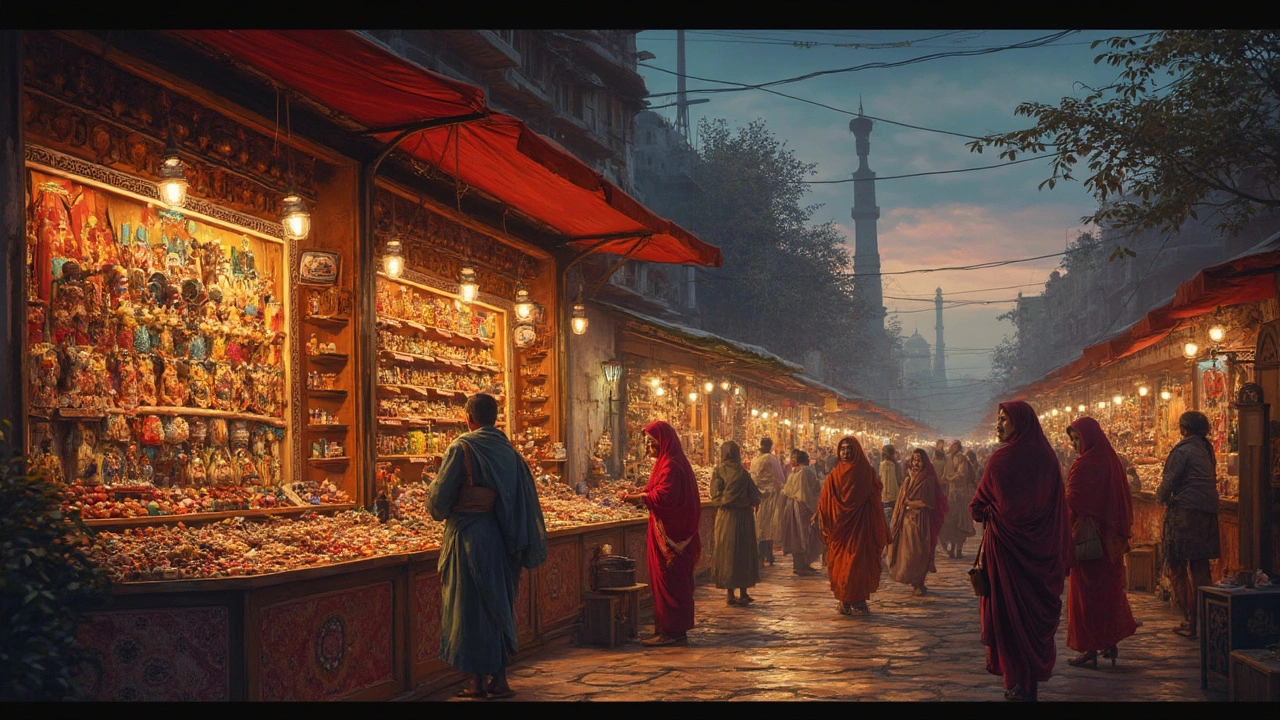
What makes Indian crafts so powerful is that they’re still alive. You won’t find them only in museums. Walk through any local market in rural India, and you’ll see women shaping terracotta, men weaving silk, and children learning to paint Warli patterns. These aren’t dying traditions—they’re adapting. Artisans now sell online, blend old designs with modern tastes, and teach apprentices in community centers. But the heart remains the same: craftsmanship rooted in place, purpose, and pride.
Below, you’ll find articles that explore how these crafts connect to festivals, religion, music, and everyday life in India. Whether it’s the meaning behind a particular textile pattern, the tools used in a village workshop, or how a craft survived colonial rule, each piece reveals something real—something human.