Indian Classical Music: Understanding Carnatic and Hindustani Traditions
When you hear Indian classical music, a 2,000-year-old system of melody and rhythm rooted in spiritual practice and precise technique. Also known as Hindustani or Carnatic music, it’s not background noise—it’s a living art form that shapes how millions experience emotion, devotion, and discipline through sound. Unlike Western music, which often follows fixed chords and harmony, Indian classical music builds entire worlds from a single note, using ragas (melodic frameworks) and talas (rhythmic cycles) to express everything from joy to sorrow, from dawn to midnight.
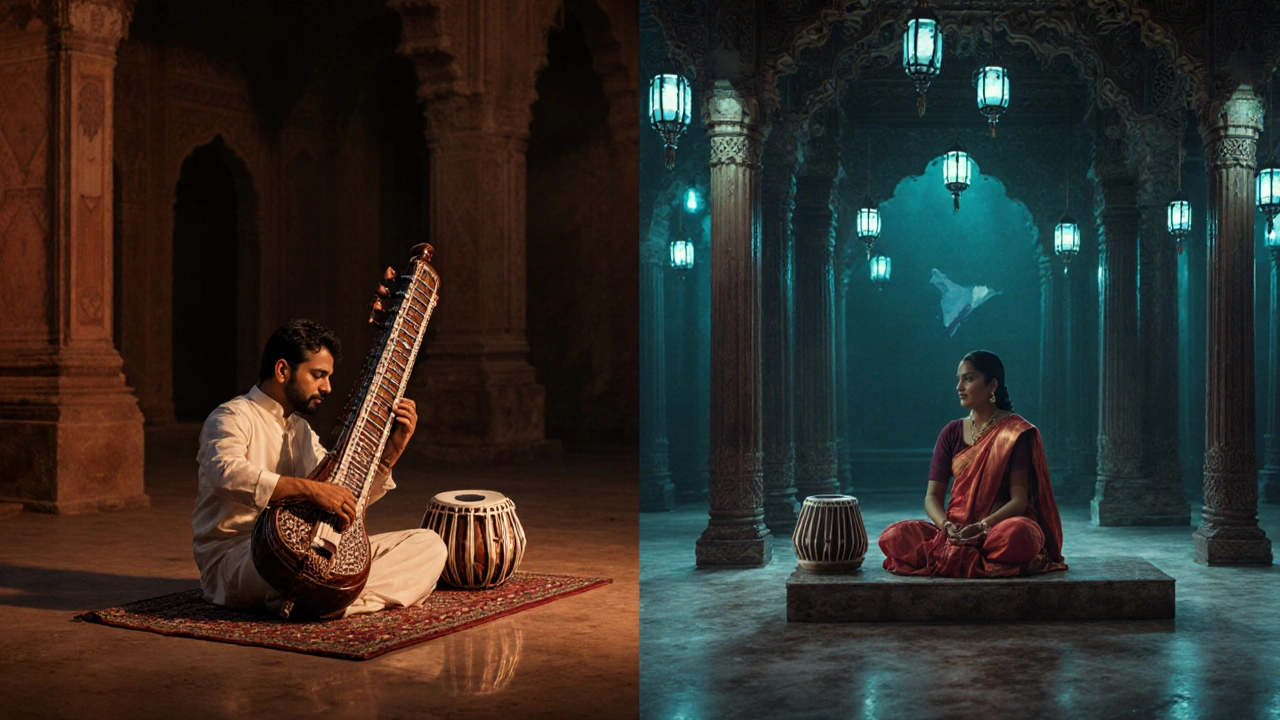
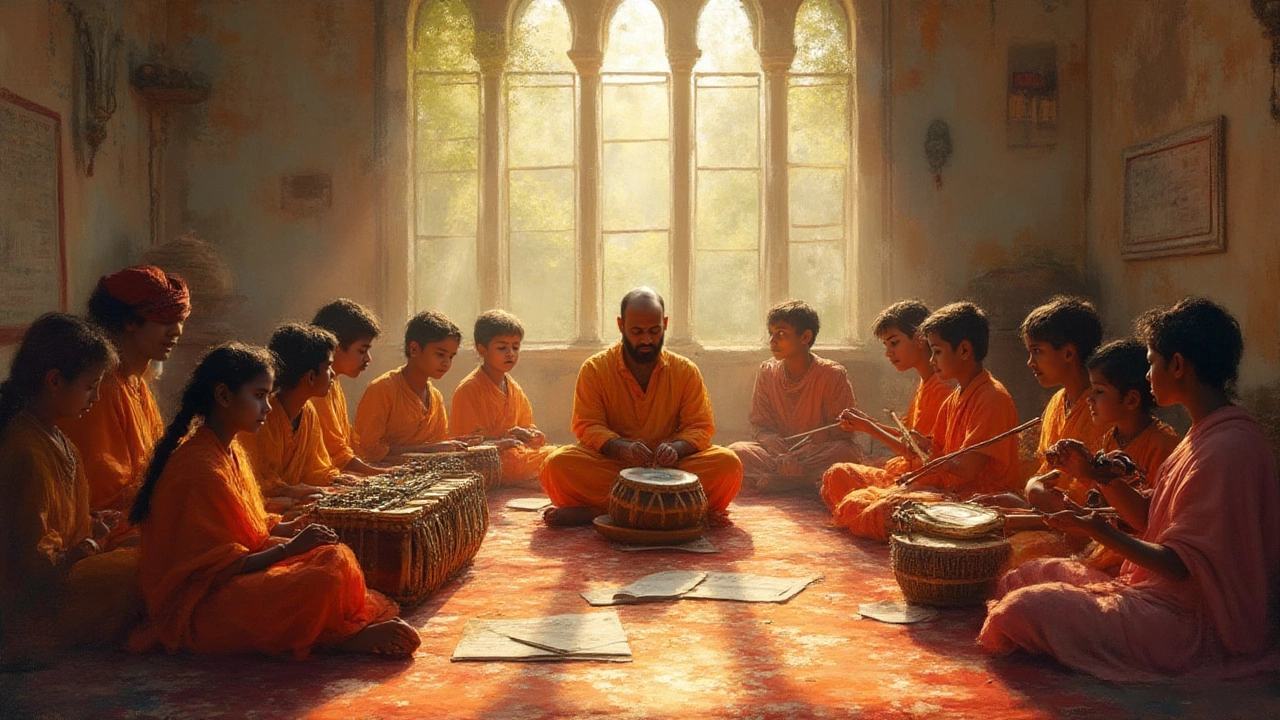
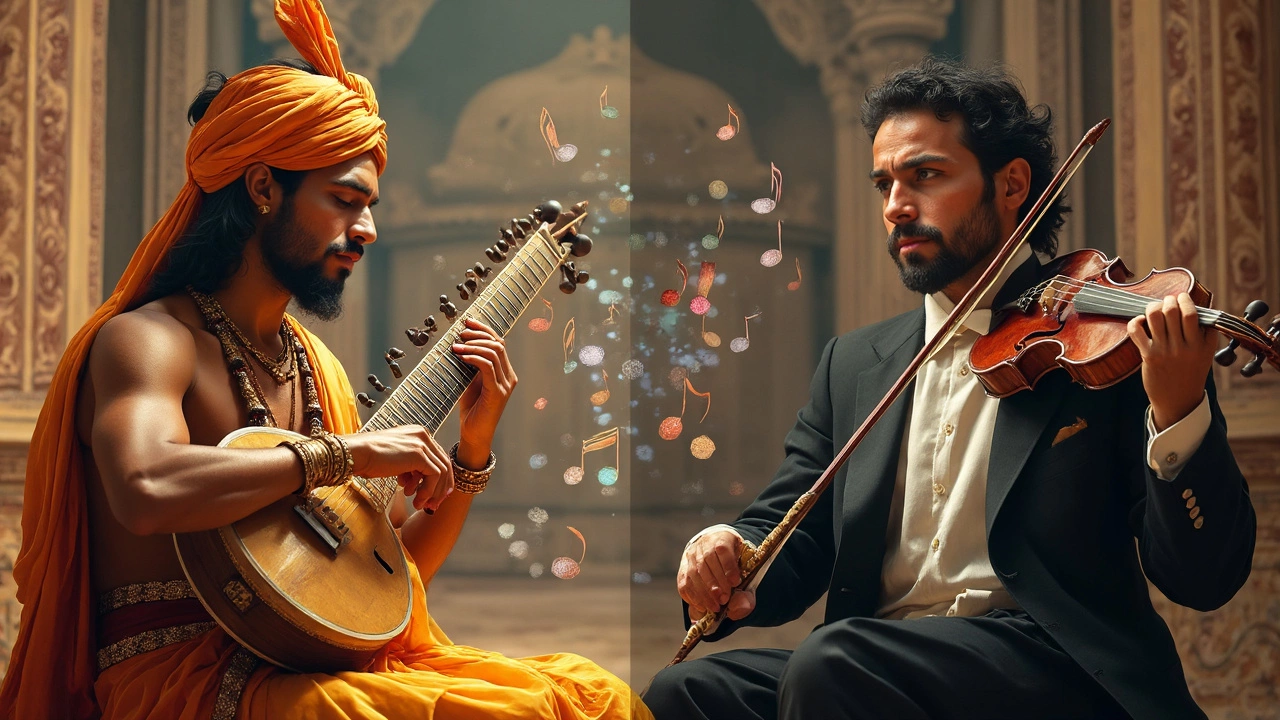
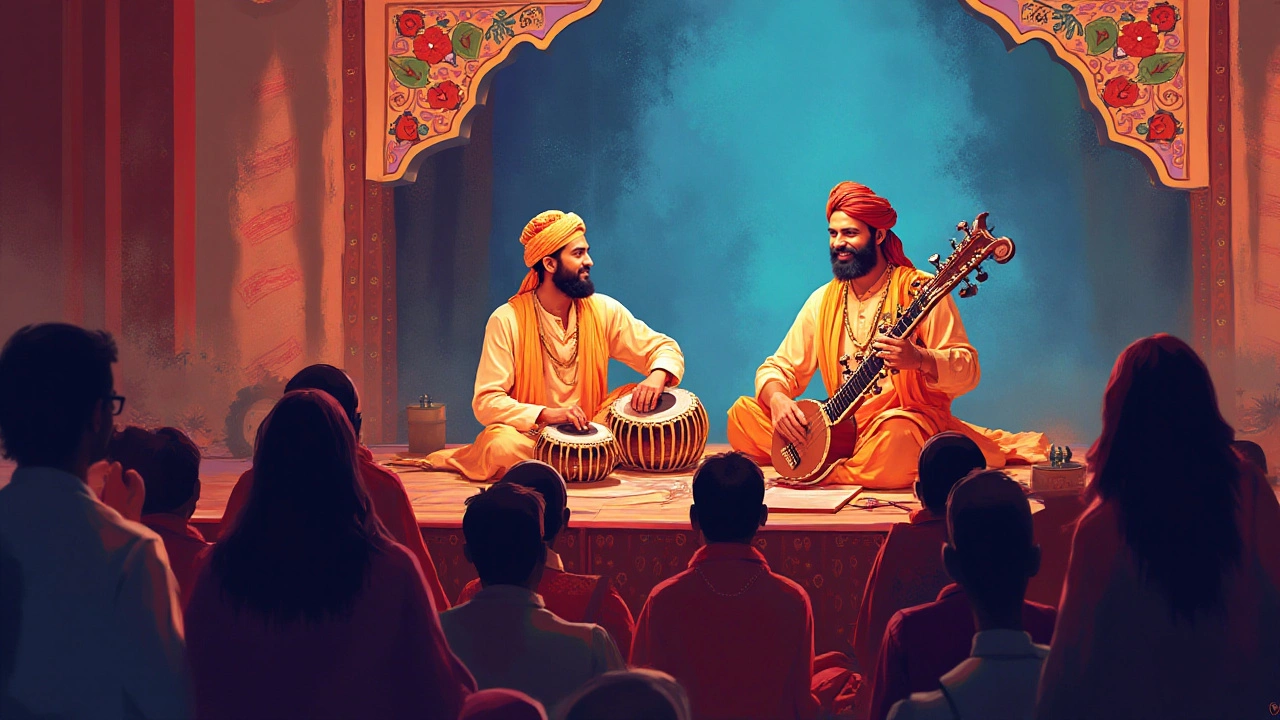
This tradition split into two major branches centuries ago. Carnatic music, the classical system of South India, especially Tamil Nadu and Karnataka, with strong temple roots and devotional lyrics in Sanskrit and regional languages. Also known as South Indian classical music, it thrives in structured compositions called kritis and values purity of tone and intricate improvisation within strict rules. Meanwhile, Hindustani music, the classical style of North India, shaped by Persian and Mughal influences, with a focus on emotional expression and flexible improvisation called alaap. Also known as North Indian classical music, it uses instruments like the sitar and tabla and often begins with a slow, meditative exploration before building energy. One grew in temple courtyards; the other in royal courts. One sings to the divine; the other speaks to the soul. But both are built on the same foundation: the raga as a living emotional blueprint.
What you’ll find in the posts below isn’t just theory—it’s real stories. You’ll read about how Carnatic and Hindustani music differ in structure and spirit, how folk traditions like bol banao quietly influence classical singing, and why some Indian gods are painted blue—the same blue that echoes in the deep tones of the tanpura. You’ll see how Diwali songs connect to temple chants, how Tamil folk rhythms live inside modern Carnatic performances, and why the most famous song in history isn’t from Hollywood or London, but from a village in Punjab. This isn’t history class. It’s the sound of a culture still breathing, still changing, still singing.
Hindustani classical music, a profound art form from northern India, uses several languages, each lending a unique charm and expression. Predominantly, songs are composed in languages such as Hindi, Urdu, Braj Bhasa, and Awadhi, reflecting the cultural diversity of the region. This musical tradition, deeply intertwined with historical and spiritual elements, serves as a conduit for storytelling and emotional expression. Through this article, we explore the significance of language in this genre, how it influences performances, and its role in preserving cultural heritage.