Hindus: Beliefs, Festivals, and Traditions in Tamil Culture
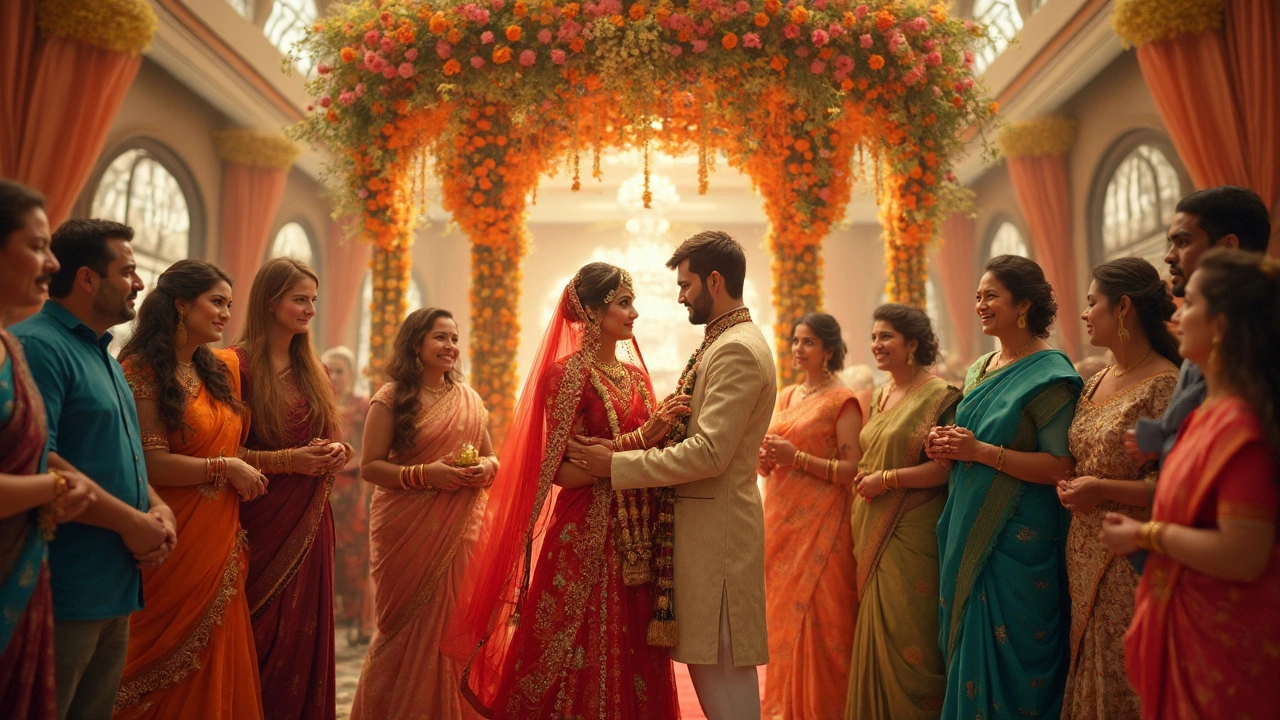
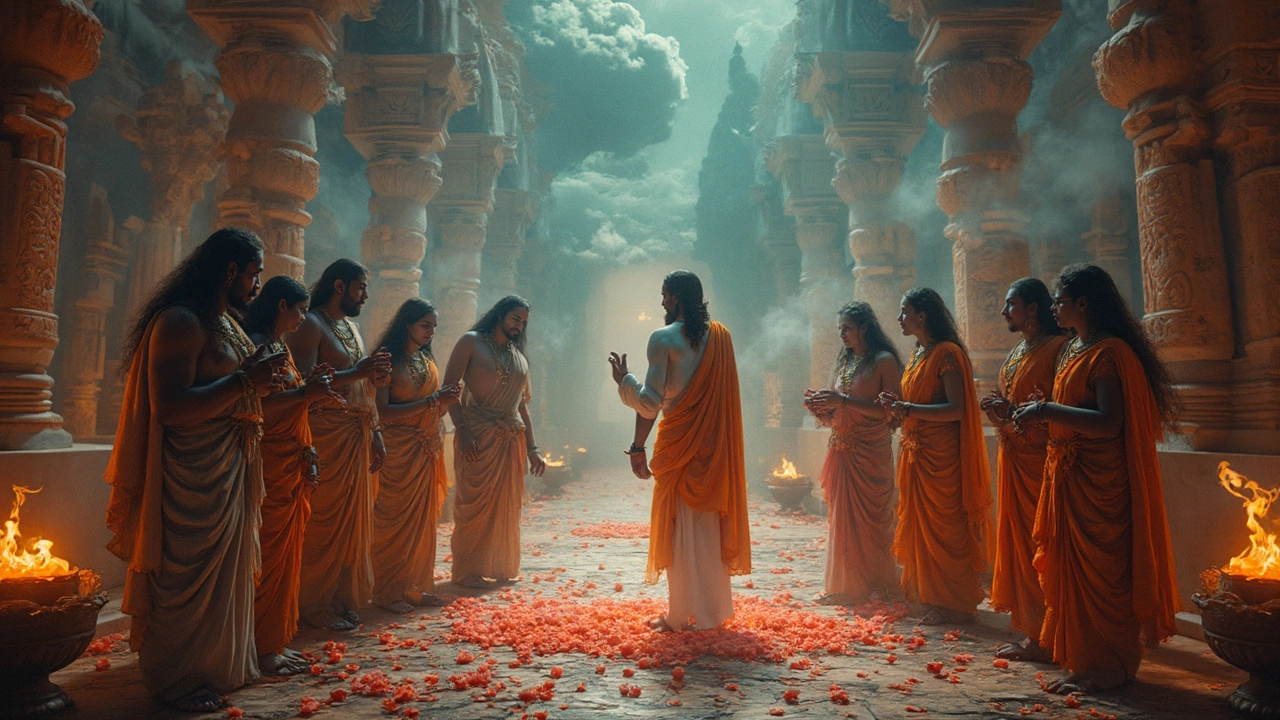
When you think of Hindus, the largest religious group in India, with deep-rooted traditions in ritual, philosophy, and community life. Also known as followers of Sanatana Dharma, they practice a living faith that’s not just about temples and prayers—it’s in how they eat, dance, heal, and celebrate. In Tamil Nadu and beyond, being Hindu means waking up to the smell of incense before sunrise, lighting oil lamps during Karthigai Deepam, and singing hymns in Tamil that have echoed for centuries. It’s not a monolith. It’s a mosaic of regional customs, family rituals, and personal devotion—all held together by shared symbols, stories, and sacred time.
Take Diwali, the Festival of Lights, celebrated across India but with unique Tamil twists like the emphasis on oil baths and clay lamps. For many Tamil Hindus, it overlaps with Karthigai Deepam, turning the same spirit of light into a deeper, more localized expression. Then there’s Navaratri, a nine-night celebration honoring the divine feminine, with Garba in Gujarat and Kolu displays in Tamil homes. These aren’t just holidays—they’re cultural anchors. And behind them lies Ayurveda, an ancient system of healing rooted in balance, diet, and natural remedies, still used by millions daily. You’ll find it in the turmeric paste on a newborn’s forehead, in the herbal teas served during monsoon, and in the quiet morning routines of elders who swear by its wisdom.
But Hinduism isn’t only about rituals. It’s in the blue skin of Krishna, symbolizing infinity. It’s in the nonsense singing of bol banao, where rhythm carries more meaning than words. It’s in the food taboos that keep families connected to their roots, and in the way classical Carnatic music rises from temple courtyards like prayer made sound. This isn’t ancient history. It’s today’s reality—for farmers in Madurai, students in Chennai, and diaspora families in Toronto or Sydney.
What you’ll find in the posts below isn’t a textbook. It’s real stories: why the Catholic Church watches yoga closely, how Ayurveda can be risky if misused, why Indian gods are painted blue, and how Tamil Hindus celebrate Diwali differently than others. These aren’t random facts—they’re pieces of a larger picture. A picture of how millions live, breathe, and honor a tradition that’s older than most nations—and still changing every day.