Handmade Products: Traditional Tamil Crafts and Why They Matter
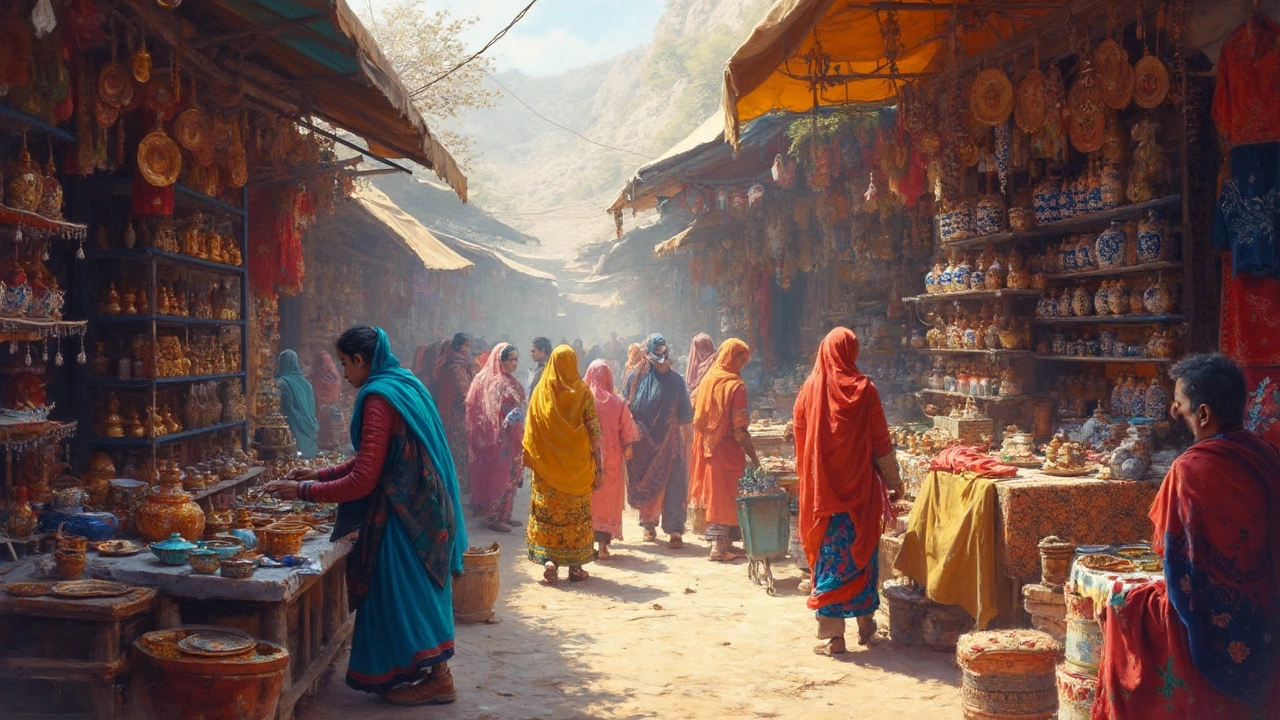
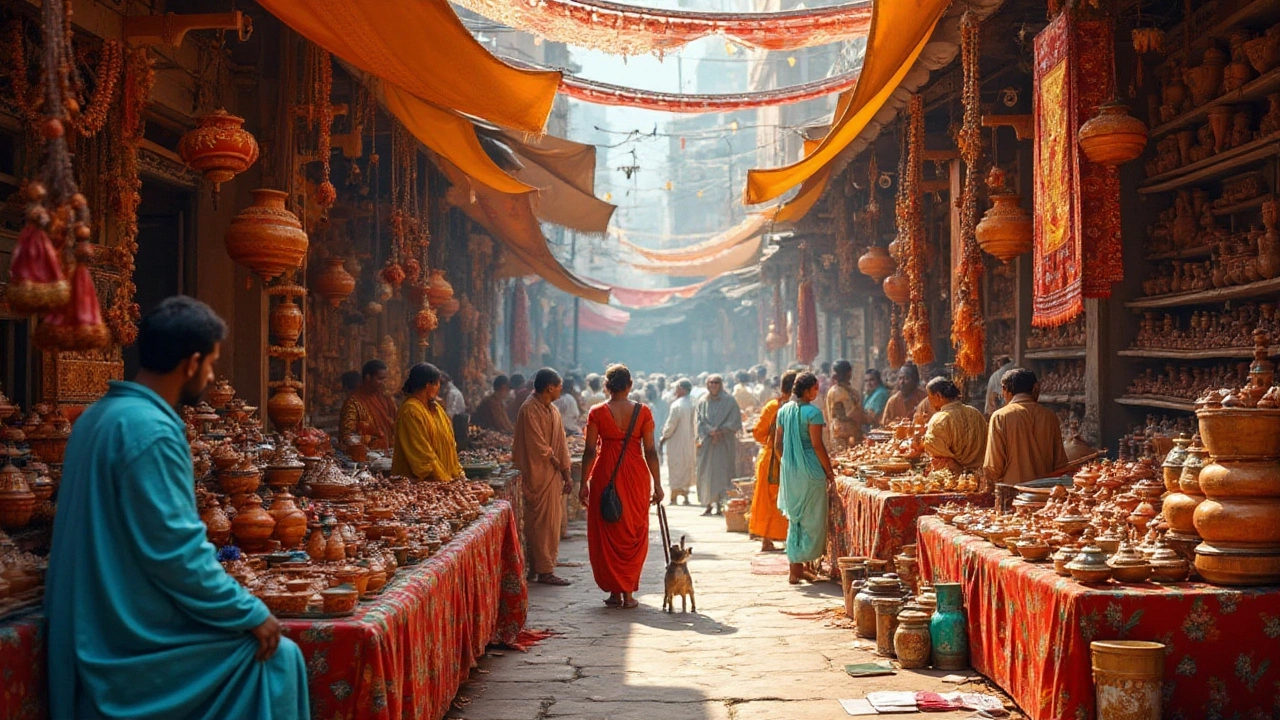
When you buy a handmade product, a tangible object crafted by human hands using traditional methods, not mass-produced machines. Also known as artisanal goods, it carries the rhythm of a weaver’s loom, the imprint of a potter’s thumb, and the quiet pride of a community that refuses to let its skills disappear. In Tamil Nadu, handmade isn’t a trend—it’s a legacy. From the intricate zari work on Kanchipuram silk saris to the hand-painted terracotta lamps of Kumbakonam, these items aren’t just useful—they’re alive with meaning.
These Tamil crafts, distinctive art forms rooted in centuries-old techniques passed from parent to child in villages across Tamil Nadu don’t just look beautiful—they connect people to land, ritual, and identity. A handmade textile, fabric woven, dyed, and embroidered by hand using natural dyes and ancestral patterns like those from Kumbakonam or Madurai isn’t just clothing; it’s a record of seasonal cycles, religious symbols, and local folklore. The same goes for traditional Tamil goods, everyday objects like brass lamps, wooden toys, and hand-ground spices made using methods unchanged for over a hundred years. These aren’t souvenirs. They’re heirlooms in the making.
What makes these crafts different from factory-made items? Time. Skill. Intention. A single Kanchipuram sari can take weeks to weave, with each thread chosen for its sheen, strength, and symbolism. A clay diya is shaped by hand, fired in open kilns, and painted with natural pigments—no two are exactly alike. This isn’t inefficiency. It’s integrity. When you support handmade products from Tamil artisans, you’re not just buying something—you’re keeping a tradition alive. You’re giving a weaver in Kumbakonam a reason to teach her daughter. You’re helping a potter in Thanjavur keep his grandfather’s wheel turning.
And yet, these crafts are fading. Younger generations are leaving villages for cities. Machines promise speed and low cost. But the truth? No machine can replicate the soul in a hand-stitched border or the warmth of a clay pot that’s been held by generations. The posts below show you exactly where these crafts come from, how they’re made, and why they still matter in today’s world. You’ll meet the makers, see the tools they use, and learn how to spot real handmade work from fake imitations. This isn’t just a list of products—it’s a guide to understanding a culture that still believes in making things with care.