Cambion Gender Explained in Indian Mythology
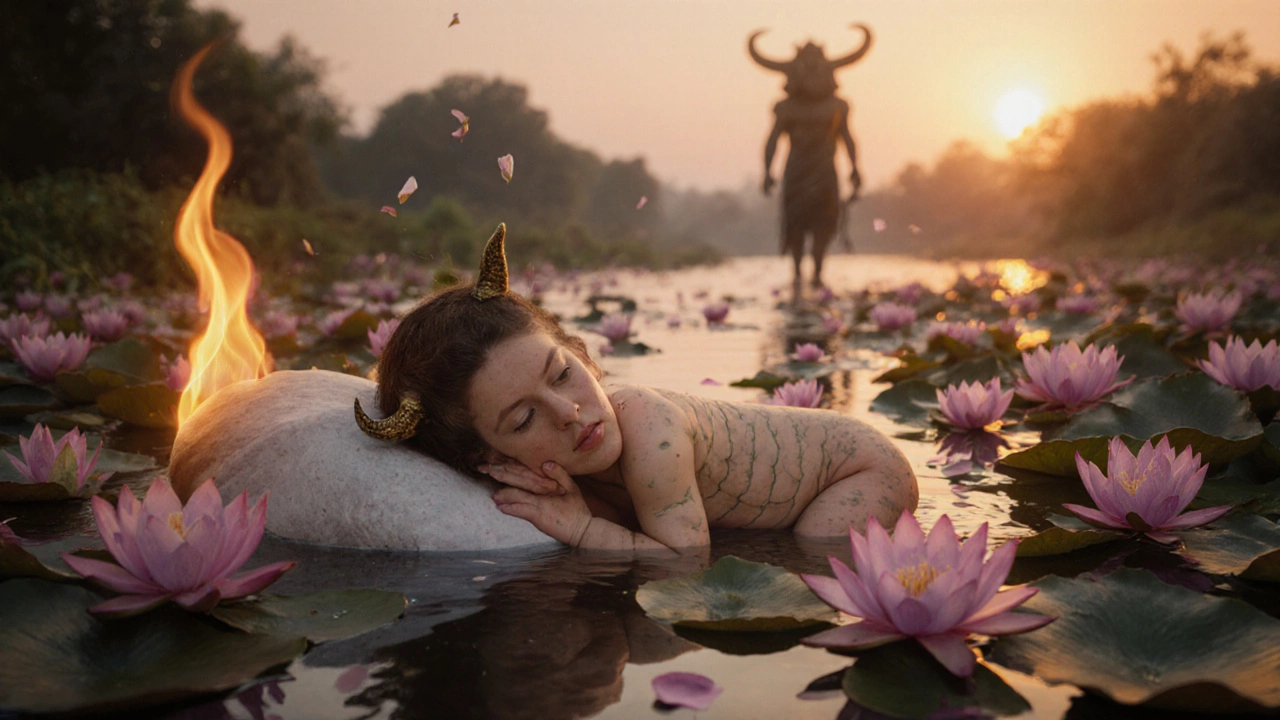
Explore the gender of a cambion in Indian mythology, see how ancient stories and modern tales assign male, female or fluid identities, and learn tips for writing hybrid characters.
When we talk about folklore gender, how traditional stories assign roles, power, and behavior based on gender, we’re not just talking about old tales. We’re looking at how Tamil communities have understood men, women, and non-binary identities for centuries—through dance, song, and ritual. In Tamil folklore, gender isn’t always binary. It’s fluid, symbolic, and deeply tied to nature, spirit, and social order. These stories don’t just entertain—they teach, warn, and preserve values passed down through generations.
Take Karakattam, a traditional Tamil dance performed by women balancing pots on their heads. It’s often seen as a devotional act to the goddess Mariamman, but it’s also a display of strength, endurance, and grace—all traits coded as feminine in these traditions. Meanwhile, Puliyattam, the tiger dance where men wear masks and move like predators, isn’t just about mimicry—it’s about channeling raw, untamed energy, a trait historically linked to masculinity. These aren’t random performances. They’re coded systems that reinforce, challenge, or quietly subvert gender norms. Even the Jalpari, the Tamil mermaid-like water spirit, blurs lines: she’s both alluring and dangerous, neither fully woman nor fully spirit, yet deeply respected. These figures don’t fit modern labels, and that’s the point.
Look closer at the stories behind Theru Koothu, the street theater of Tamil Nadu. Many plays feature female deities who punish arrogant kings, or cunning village women who outwit powerful men. These aren’t just plots—they’re social commentary. In a society where women were often excluded from formal education, folklore became their voice. Men played gods and warriors, yes—but women played the ones who held the real power: the healers, the tricksters, the ones who could summon storms or cure plagues. The gender roles in these tales aren’t rigid. They’re tools for survival, resistance, and meaning.
And yet, modern interpretations often flatten these stories. We see Karakattam as "beautiful dance" and ignore the physical toll it demands. We call Puliyattam "folk entertainment" and miss how it channels male anxiety about control. The truth? Tamil folklore gender isn’t about fixing roles—it’s about understanding why they existed, who they served, and how they still echo today. These aren’t relics. They’re living traditions, quietly shaping how people see themselves and each other.
Below, you’ll find articles that dig into these stories—how they’re told, who tells them, and what they reveal about Tamil society’s view of gender, power, and identity. From divine spirits to village fools, these tales don’t just reflect culture—they keep it alive.
Explore the gender of a cambion in Indian mythology, see how ancient stories and modern tales assign male, female or fluid identities, and learn tips for writing hybrid characters.