Dress Code in Tamil Culture: Traditional Attire, Modern Trends, and Social Rules
When it comes to dress code, the unwritten rules around what people wear in Tamil society, shaped by religion, region, and generations of tradition, it’s not just about fashion—it’s about respect, identity, and belonging. In Tamil Nadu and among Tamil communities worldwide, what you wear to a temple, a wedding, or even a funeral carries meaning far beyond fabric and color. This isn’t a rigid uniform; it’s a living system of signals that tells others where you stand—culturally, spiritually, and socially.
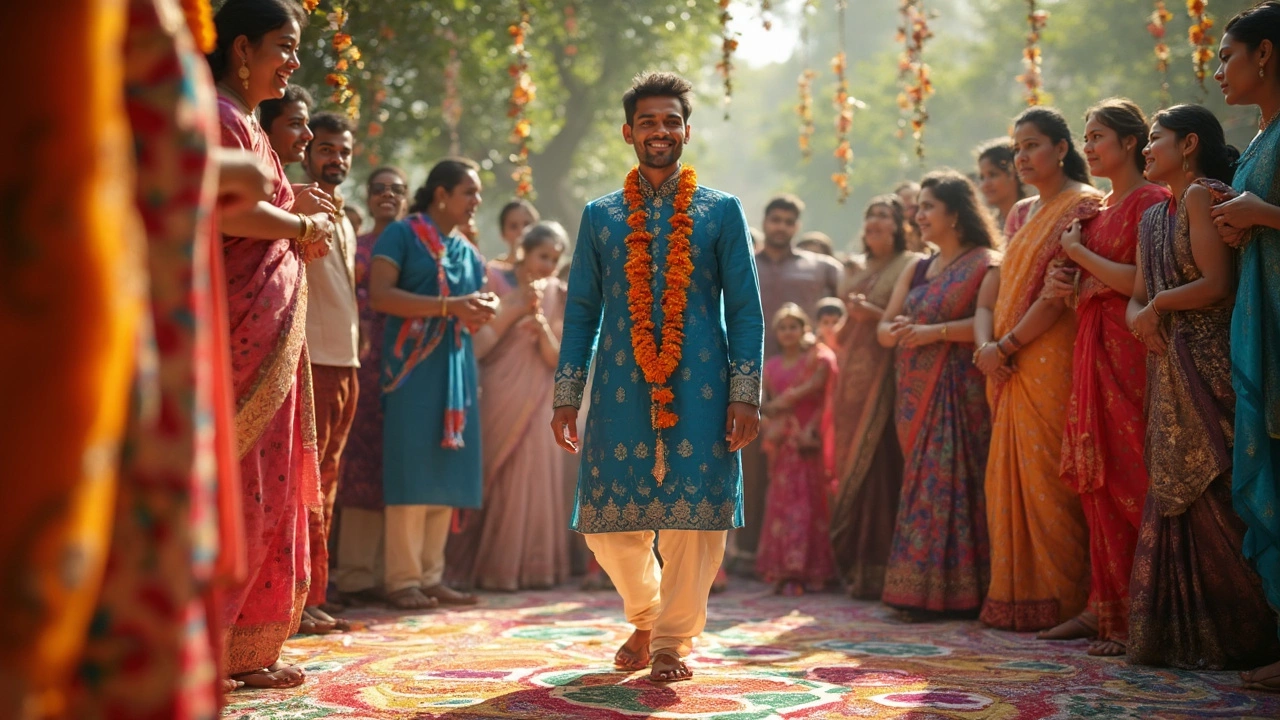
Traditional Tamil clothing, like the veshti for men and the silk saree for women, isn’t just worn—it’s performed. A man in a crisp white veshti with a matching angavastram isn’t just dressed for comfort—he’s showing reverence, especially in temples or during rituals like Karthigai Deepam. Women wearing nine-yard sarees during festivals aren’t just being traditional—they’re honoring a lineage of textile craftsmanship passed down for centuries. These aren’t costumes. They’re cultural armor. Even today, in cities like Madurai or Coimbatore, you’ll see elders frown if someone shows up to a family function in shorts or tank tops. It’s not about being old-fashioned; it’s about recognizing that clothing carries sacred weight.
Then there’s the shift. Younger Tamils in Chennai or abroad are blending the old with the new—sarees with crop tops, veshtis paired with sneakers, or silk blouses worn with jeans. But even these mixes follow unspoken rules. You won’t see a bride in a red lehenga at a Tamil wedding—that’s North Indian. You won’t see a man in a kurta at a temple prasadam line—that’s not Tamil. The Tamil festivals clothing, the specific garments tied to events like Pongal or Thai Pongal, are deeply tied to regional identity. And while global fashion influences grow, the core remains: if you’re entering a sacred space, a family ritual, or a Tamil home, your clothes are part of the invitation.
It’s not just about what to wear—it’s about what not to wear. In many Tamil households, black is avoided during festivals because it’s linked to mourning. Bright colors? Celebrated. Gold? Sacred. Even the way a saree is draped—whether it’s the Kanchipuram style or the Madisar fold—can signal caste, region, or marital status. These aren’t secrets. They’re shared knowledge, passed down quietly, like recipes for pongal or the rhythm of kolam patterns.
And yes, this matters outside India too. In Toronto, London, or Singapore, Tamil families still expect guests to dress appropriately at weddings or temple events. Showing up in ripped jeans or flip-flops isn’t just seen as casual—it’s seen as disrespectful. The Tamil cultural attire, the specific garments tied to identity and ritual, remain powerful markers of belonging, even in diaspora communities.
What you’ll find below isn’t a list of outfits. It’s a window into how clothing shapes Tamil life—from the silk threads of a bride’s saree to the simple cotton veshti of a temple priest. You’ll see how Diwali and Karthigai Deepam demand different dress rules, why certain fabrics are sacred, and how modern Tamils are redefining tradition without breaking it. These stories aren’t about fashion trends. They’re about how people stay connected—to their roots, their gods, and each other—through what they wear.