Diwali: The Festival of Lights and Why It Matters in Tamil Culture
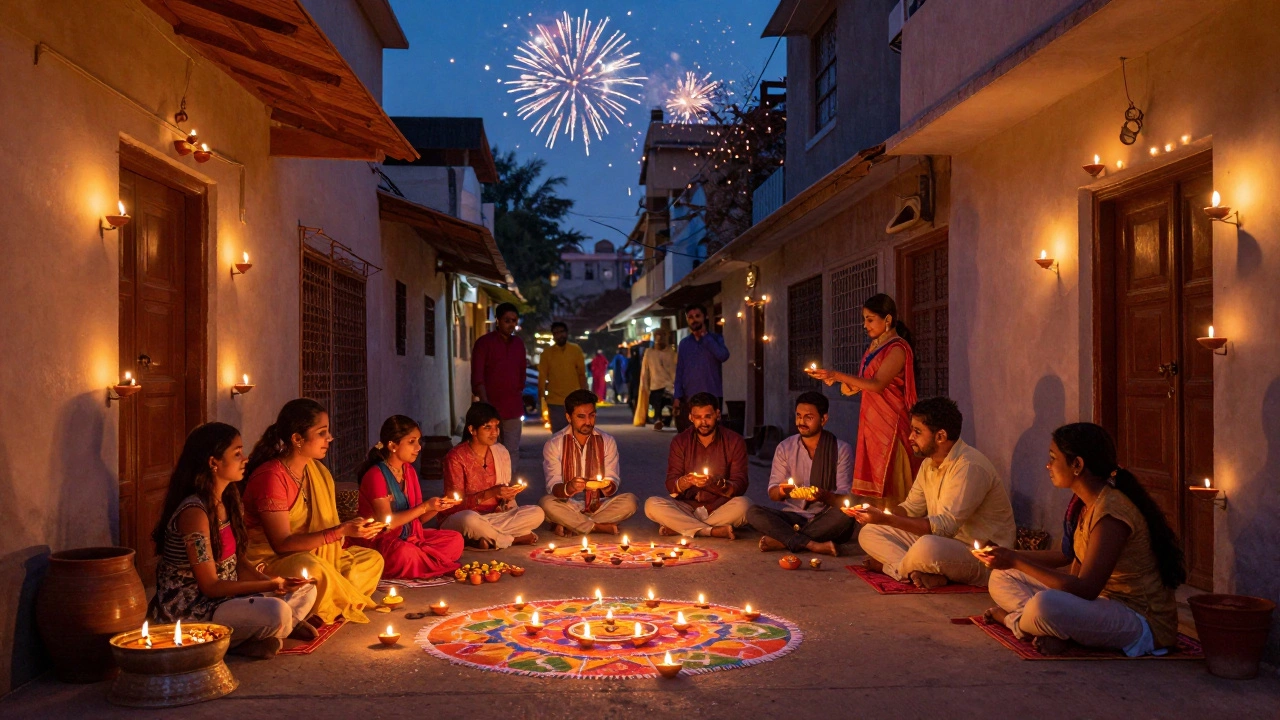
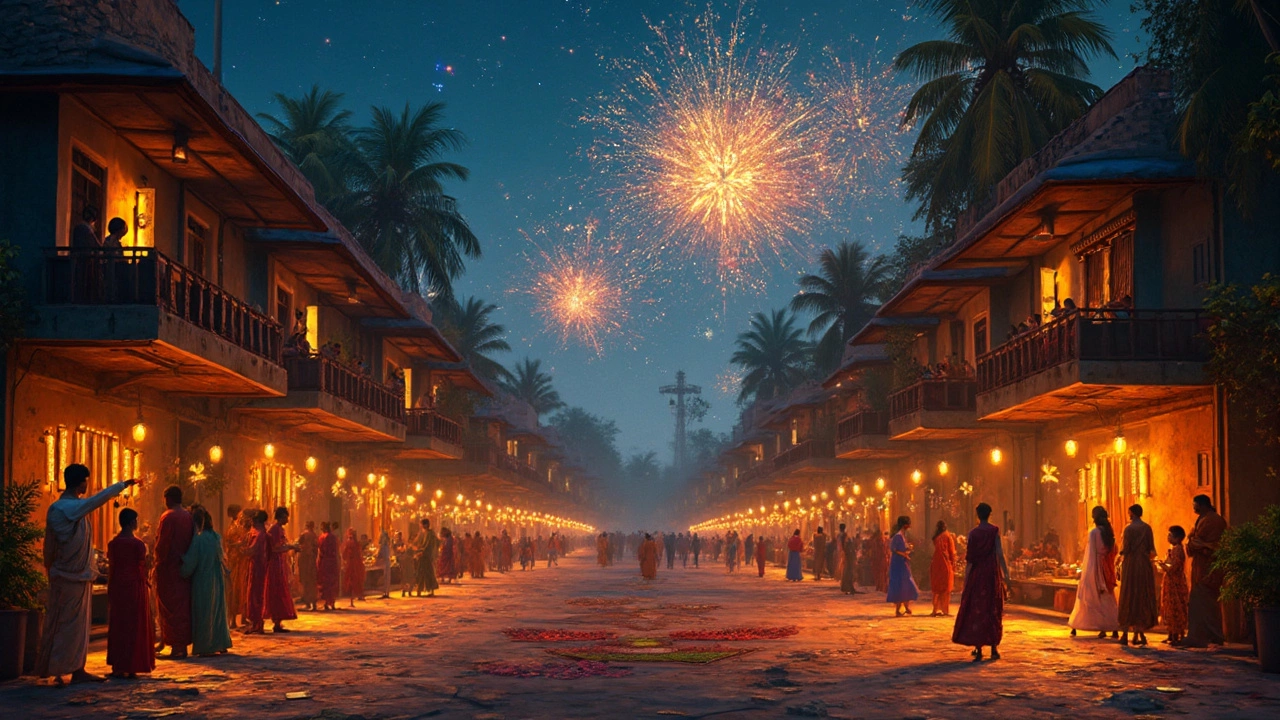
When you think of Diwali, the Hindu festival of lights celebrated across India, marked by lamps, fireworks, and sweet treats, you might picture North Indian families exchanging gifts and lighting diyas. But in Tamil Nadu, Diwali isn’t just a copy of that scene—it’s a quieter, deeper event tied to ancient Tamil traditions, local gods, and the victory of good over evil as told in South Indian stories. While many assume Diwali is the same everywhere, the way it’s observed in Tamil homes—especially in villages and small towns—has its own rhythm, meaning, and rituals that don’t always show up in mainstream media.
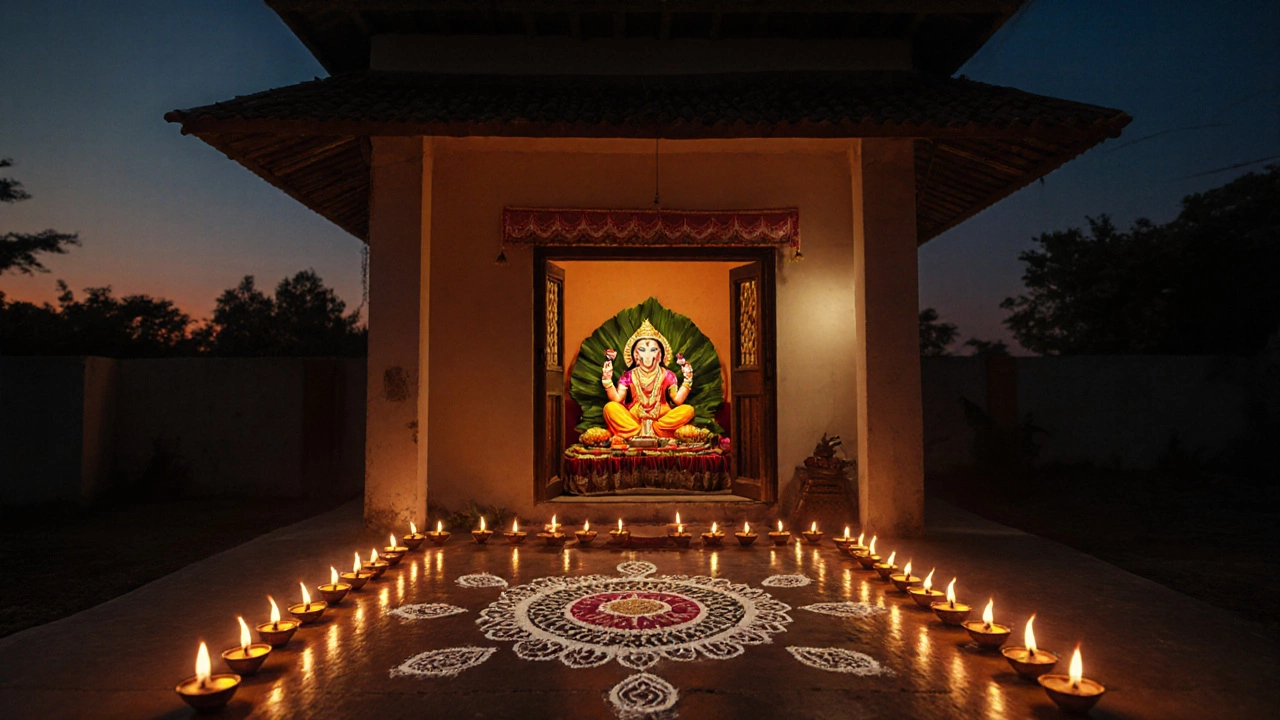
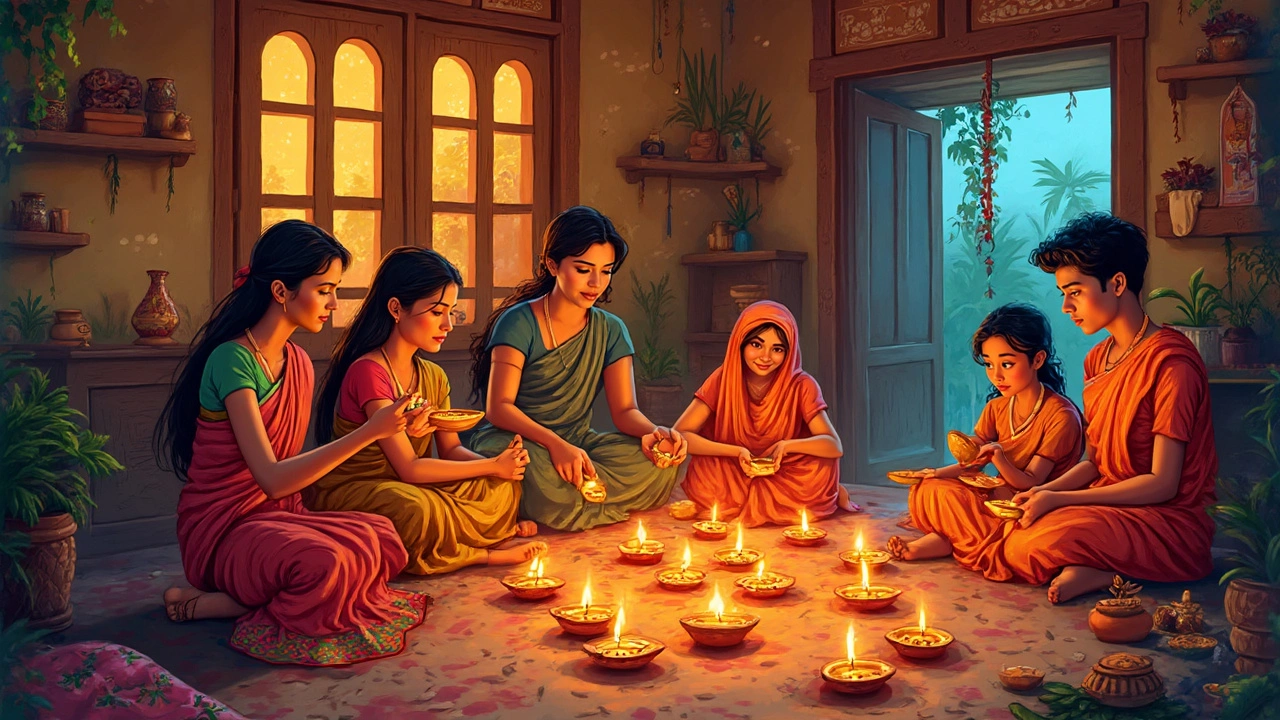
One of the biggest differences? In Tamil Nadu, Diwali is often linked to the legend of Lord Krishna defeating Narakasura, not Rama’s return to Ayodhya. The day before Diwali, known as Naraka Chaturdashi, a Tamil observance marking the slaying of the demon Narakasura by Krishna and his wife Satyabhama, is the main day of celebration for many. People wake up before sunrise, take an oil bath, wear new clothes, and light lamps—not just at home, but at temple gates and street corners. The Diwali sweets, traditional treats like murukku, athirasam, and laddu, made with jaggery and sesame, are homemade, not bought. They’re shared with neighbors, not just family, because community matters more than commercialism here.
And while you’ll find fireworks in Chennai and Madurai, the real heart of Diwali in Tamil culture is silence—the quiet moments before dawn, the smell of turmeric and oil on skin, the sound of temple bells echoing through narrow lanes. It’s not about Instagram posts or shopping sprees. It’s about renewal, about cleaning not just your house, but your mind. The Diwali you see on TV is loud and colorful. The Diwali in Tamil homes is calm and rooted. And that’s what makes it powerful.
Below, you’ll find articles that dig into why sweets are given during Diwali, how it compares to other Indian festivals like Navratri, and what food taboos might affect how people celebrate. You’ll also see how Tamil folklore and regional customs shape the way this festival lives—far beyond the usual headlines. Whether you’re Tamil, curious about South Indian traditions, or just trying to understand why Diwali feels different in different places, these stories will show you the real heart of the festival.