Dance Styles of Tamil Culture: Traditional Forms, Rituals, and Living Traditions
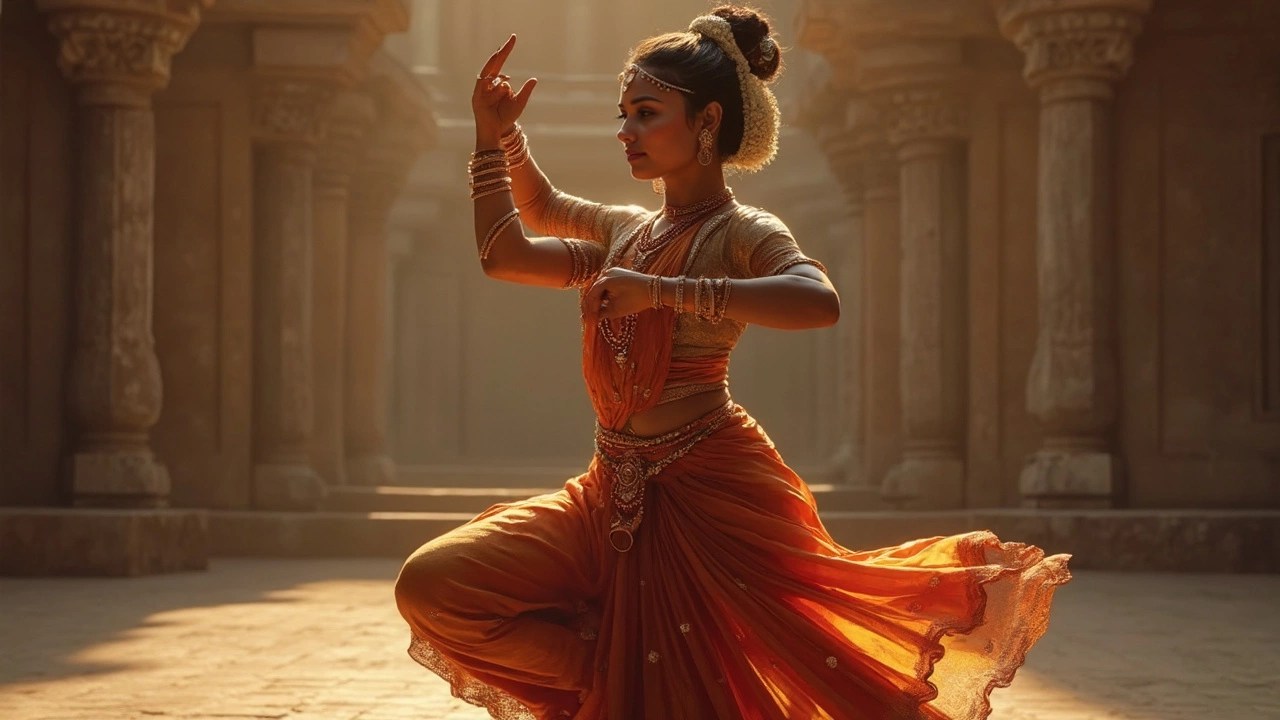
When you think of dance styles, expressive movement tied to ritual, storytelling, and community in Tamil Nadu. Also known as Tamil classical and folk dance, it's not just performance—it's prayer in motion, history stepped out, and identity made visible. These aren’t stage shows for tourists. They’re living traditions passed down through generations, often taught in temple courtyards, village squares, and family homes.
Take Karakattam, a devotional dance where performers balance a decorated pot on their head, moving in rhythm to drums and chants. It started as an offering to the rain goddess Mariamman, and today, you’ll still see it during village festivals in rural Tamil Nadu. Then there’s Theru Koothu, a raw, energetic street theater-dance hybrid that mixes myth, satire, and music. Performers wear bold makeup, dance barefoot on hot ground, and act out stories from the Mahabharata—all night long, under flickering oil lamps. And don’t forget Puliyattam, the tiger dance, where dancers paint themselves yellow and black, move with wild grace, and mimic the spirit of the forest. These aren’t costumes. They’re transformations.
What ties them together? Every step, every drumbeat, every chant connects to something deeper—faith, land, memory. Unlike ballet or contemporary dance, these styles don’t evolve to stay trendy. They stay the same to stay true. A young girl learning Karakattam today is doing the same steps her grandmother did 80 years ago. That’s not nostalgia. That’s resilience.
You won’t find these dances in big city theaters often. You’ll find them where life is lived—during temple festivals, harvest celebrations, monsoon rituals. They don’t need applause. They need participation. And that’s why they’ve survived.
Below, you’ll find real stories from people who keep these dance styles alive—from the drummers who never miss a beat, to the women who carry the pots without breaking a sweat, to the elders who still teach the old ways even when no one’s watching. These aren’t just articles. They’re records of a culture that dances even when the world forgets to listen.