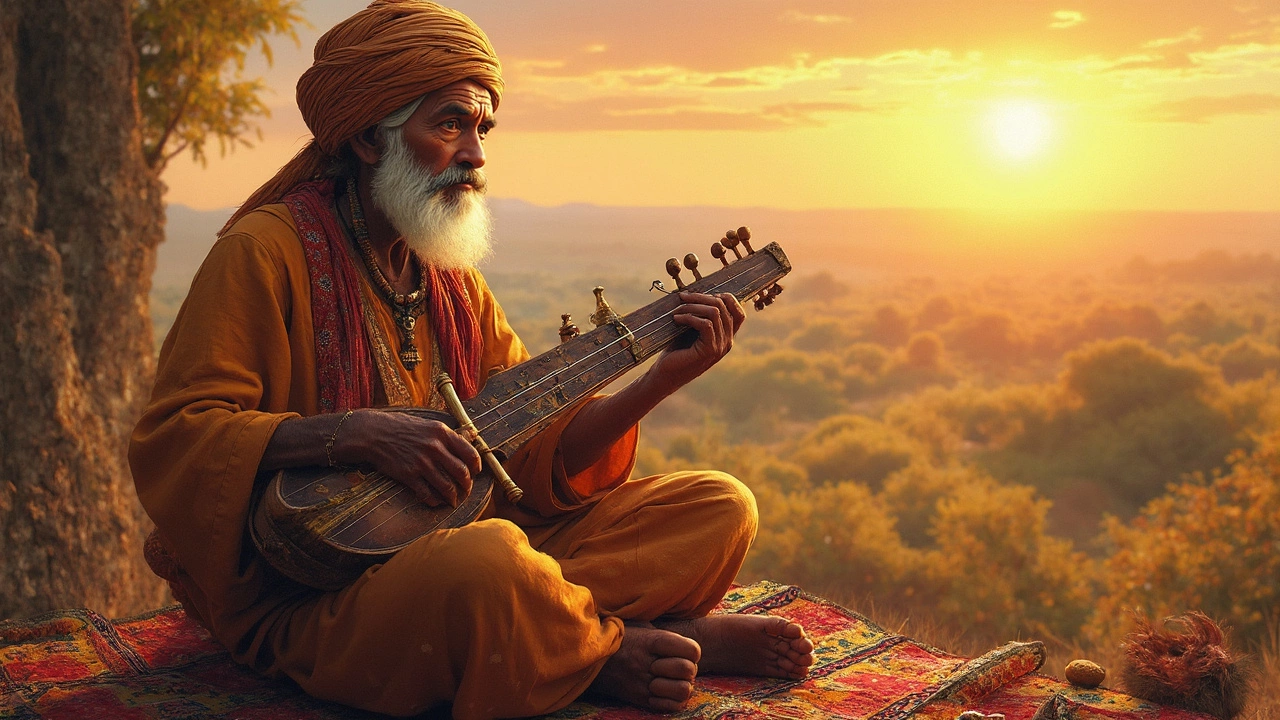
Cultural Music: Tamil Folk Traditions, Carnatic Roots, and Beyond
When we talk about cultural music, music deeply tied to community identity, ritual, and daily life rather than commercial performance. Also known as traditional music, it’s not just sound—it’s memory passed down through generations, woven into festivals, work, prayer, and storytelling. In Tamil Nadu, this isn’t abstract. It’s the drumbeat of Karakattam dancers, the call-and-response of temple chants, and the wordless vocal loops of bol banao, a rhythmic, nonsense singing style used in rural rituals and farm work across South India. This isn’t random noise. It’s a coded language of emotion, timing, and collective spirit.
Carnatic music, a classical system rooted in South Indian temples and devotional practice is the backbone of Tamil cultural music. Unlike its northern cousin, Hindustani music, Carnatic music stays close to its spiritual origins—with complex ragas, precise talas, and lyrics in Tamil, Sanskrit, or Telugu that praise gods, nature, and human emotion. But cultural music doesn’t stop at the concert hall. It lives in the fields, where women sing while grinding grain, and in village festivals where Theru Koothu, a form of folk theater combining song, dance, and satire performed on temple streets turns myths into living drama. These aren’t performances for tourists. They’re acts of survival—ways for communities to remember who they are.
What makes Tamil cultural music unique isn’t just its sound, but how it blends the sacred and the everyday. A single song might honor a goddess, mark a harvest, and teach children rhythm—all at once. You won’t find this in pop playlists. You’ll find it in the hands of elders teaching grandchildren to clap along to a village beat, or in the raw voice of a folk singer who’s never stepped into a studio. The music here doesn’t need fame. It needs to be heard, passed on, and felt.
Below, you’ll find articles that dig into exactly this—how music shapes Tamil identity, what makes folk singing different from classical training, and why certain songs have survived for centuries without ever being written down. Whether it’s the hidden meaning behind a folk chant or the quiet power of a temple drum, these stories show you that cultural music isn’t about perfection. It’s about presence.