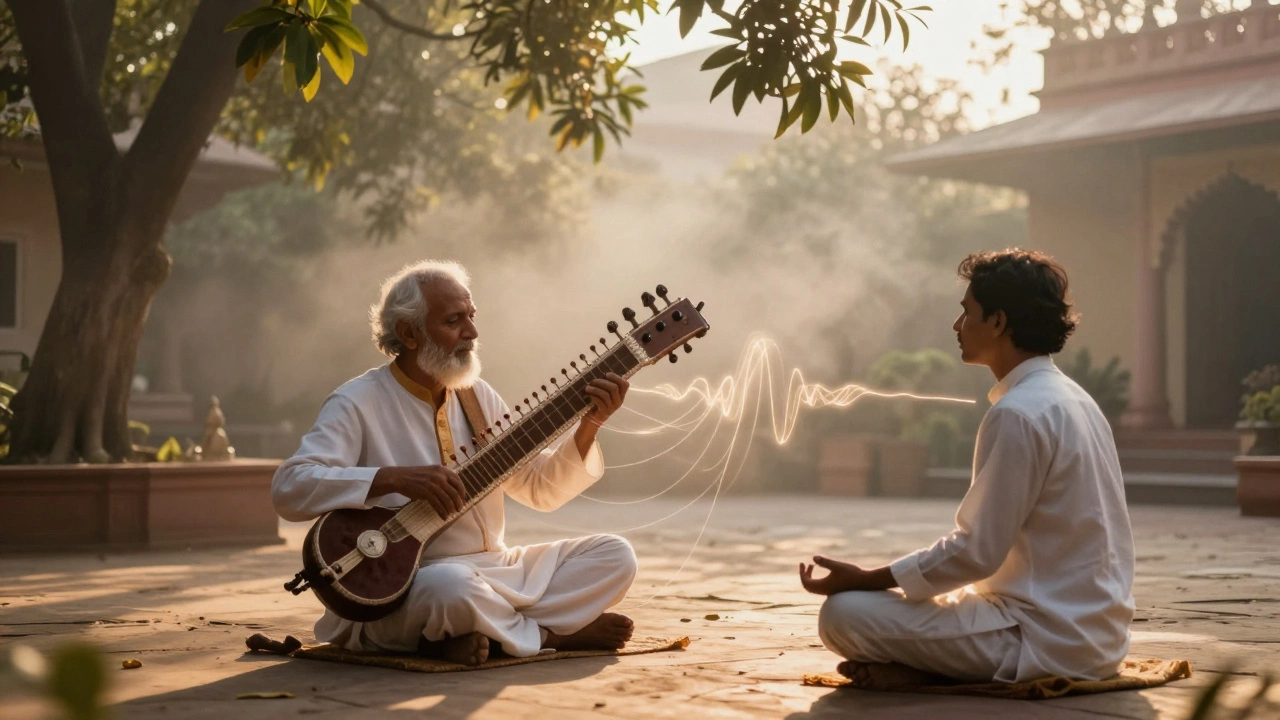
Is Indian Classical Music Spiritual? Exploring the Soul Behind the Ragas
Indian classical music isn't just notes - it's a quiet force that slows the mind, connects to nature, and brings deep calm. Its spirituality comes from structure, not belief.
When you hear the rapid-fire notes of a Carnatic music, a classical music system from South India that blends melody, rhythm, and devotion in highly structured improvisation. Also known as Karnatak music, it's not just performance—it's a spiritual practice passed down through generations in temples, homes, and concert halls across Tamil Nadu, Karnataka, Andhra Pradesh, and Kerala. Unlike its northern cousin Hindustani music, which absorbed Persian influences, Carnatic music stayed close to its Vedic roots, with compositions often dedicated to Hindu deities and sung in Sanskrit, Telugu, Tamil, or Kannada.
At its core, Carnatic music runs on two pillars: raga, a melodic framework with specific notes, rules for ascent and descent, and emotional character and tala, a rhythmic cycle that can range from simple 3-beat patterns to complex 108-beat structures. A single raga like Mohanam can evoke joy, while Bhairavi might bring tears. The musician doesn’t just play the notes—they breathe life into them, improvising within strict boundaries. Instruments like the veena, violin, mridangam, and ghatam aren’t just tools—they’re voices in a conversation that’s been going on for over 500 years.
What makes Carnatic music unique isn’t just its complexity—it’s how alive it is. You’ll find students in Chennai practicing for hours before sunrise. You’ll hear schoolchildren sing varnams in classrooms. You’ll see families gather during the December music season, where hundreds of concerts happen in just a few weeks. This isn’t museum music. It’s a tradition that grows by absorbing new voices while holding tight to its ancient grammar. If you’ve ever wondered why Indian classical music sounds so different from Western music, the answer starts here—with the precision of a raga, the pulse of a tala, and the soul of a composer like Tyagaraja or Muthuswami Dikshitar.
Below, you’ll find articles that dig into what makes Carnatic music tick—from how it differs from Hindustani music to how it lives in everyday Tamil life. Whether you’re new to it or you’ve been listening for years, these pieces will show you why this music still moves millions.
Indian classical music isn't just notes - it's a quiet force that slows the mind, connects to nature, and brings deep calm. Its spirituality comes from structure, not belief.
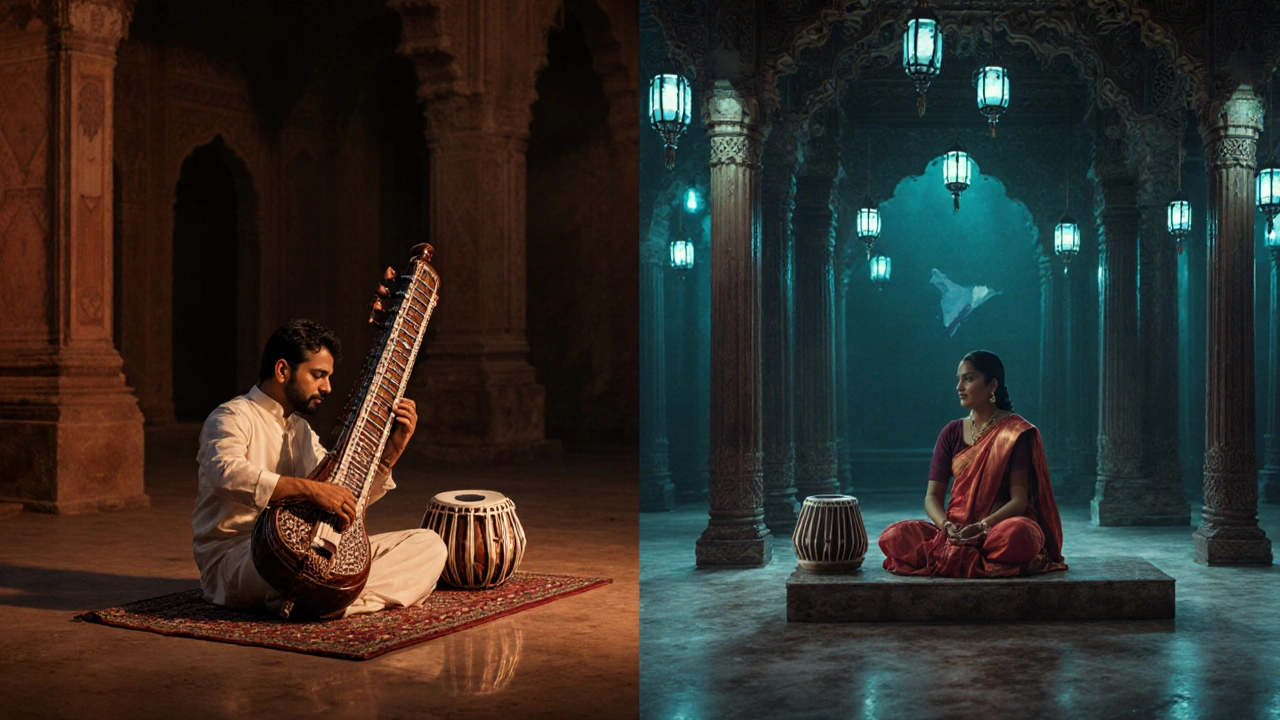
Discover the two main types of Indian classical music-Hindustani and Carnatic-by exploring their history, key elements, instruments, and how they differ.
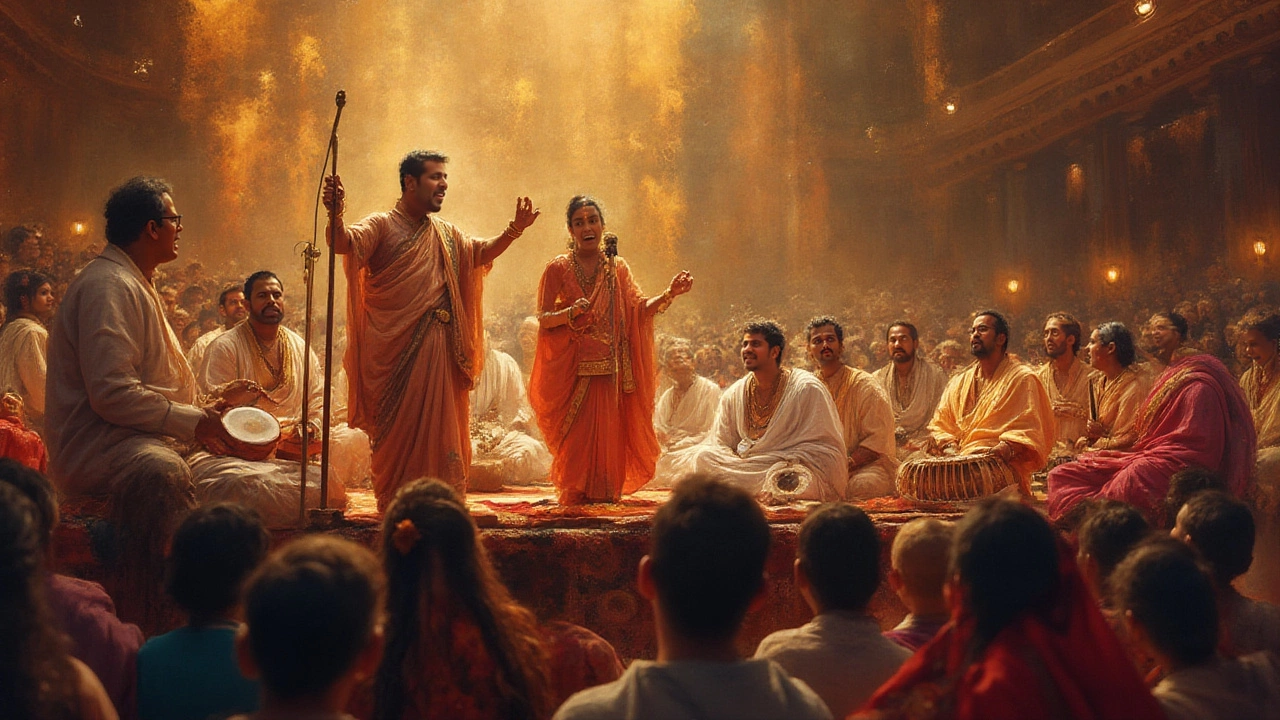
A deep dive into India's most famous classical singers, what made them legendary, and how their music shaped history. Discover personal stories and tips to enjoy their art.