Ancient Gods: Who They Were, Why They Matters, and How They Still Shape Tamil Culture
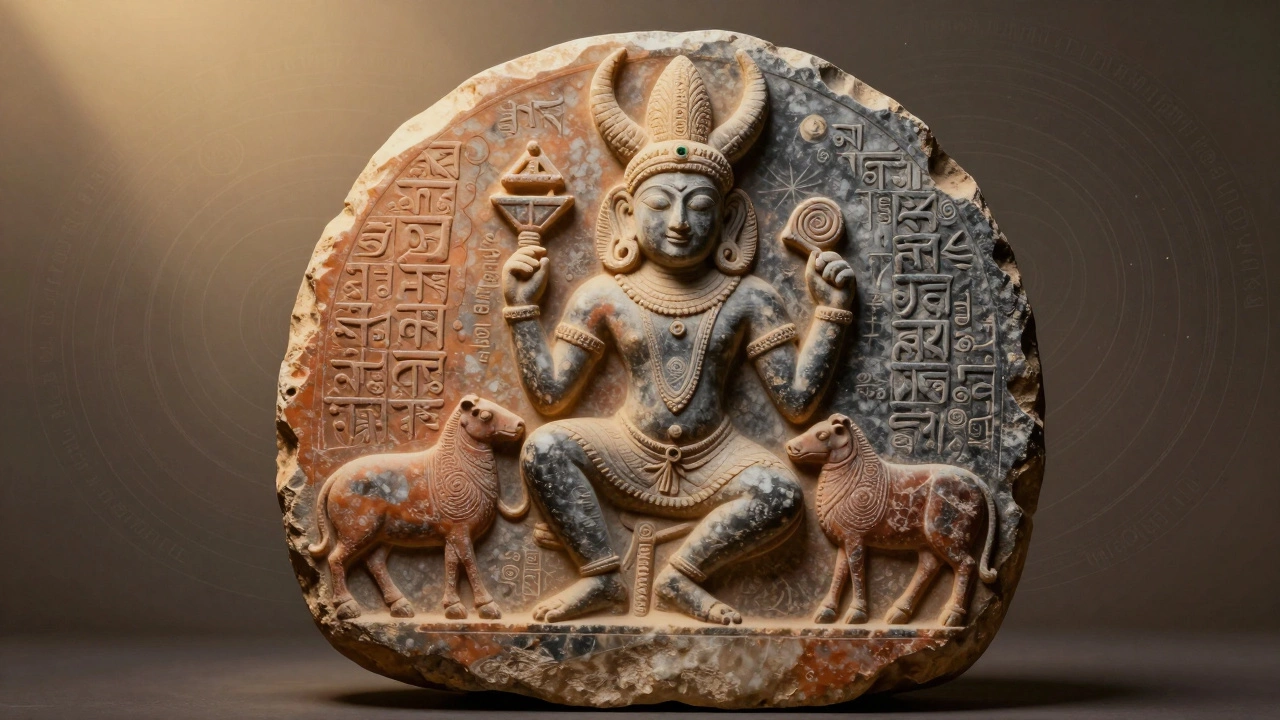
When you think of ancient gods, divine figures worshipped for thousands of years in South India, especially in Tamil Nadu, with deep ties to temple rituals, folk stories, and daily life. Also known as Hindu deities, they aren’t just statues in temples—they’re living symbols that guide how people pray, celebrate, and even eat. These gods didn’t appear in books. They grew from the land—mountains, rivers, and villages—and became part of who Tamils are.
The blue skin of Krishna, a beloved deity in Tamil and broader Hindu tradition, often shown playing the flute and embodying divine love and protection isn’t just art—it’s a signal. Blue means infinite, like the sky or ocean. In Tamil Nadu, you’ll see this color in temple murals, dance costumes, and even home altars. Then there’s Shiva, the cosmic dancer and destroyer, worshipped in every village shrine, from the hills of Kodaikanal to the streets of Madurai. He’s not distant. He’s the one who dances on the edge of chaos, keeping balance. People don’t just worship him—they talk to him. They leave milk, flowers, and coconuts. They sing to him in the early morning.
These gods aren’t isolated. They connect to temple traditions, the living systems of worship, music, and dance passed down for over a thousand years in Tamil Nadu, where rituals are tied to seasons, harvests, and life events. You won’t find them in history books alone. You’ll find them in Karakattam dancers balancing pots on their heads, in Theru Koothu performances where actors become gods for a night, and in the chants that rise from temple courtyards at dawn. These aren’t performances. They’re acts of remembrance.
And it’s not just about the big names. Tamil Nadu has hundreds of local gods—village protectors, spirit guardians, ancestors turned deities. They don’t have grand temples. They sit under banyan trees, in small stone shrines, or inside homes. People bring rice, turmeric, and red powder. They ask for help with crops, children, or sickness. These gods don’t need grand rituals. They just need to be remembered.
What you’ll find in the posts below isn’t a list of names or dates. It’s the real, messy, beautiful way these ancient gods still breathe in everyday life. You’ll read about why some gods are painted blue, how folk songs carry their stories, and how Tamil families keep their presence alive without ever saying a word about religion. This isn’t mythology. It’s memory. And it’s still happening—right now, in kitchens, in fields, in temples where the bells never stop ringing.