Indian Art: Discover the Roots, Rituals, and Real Stories Behind India’s Timeless Creations
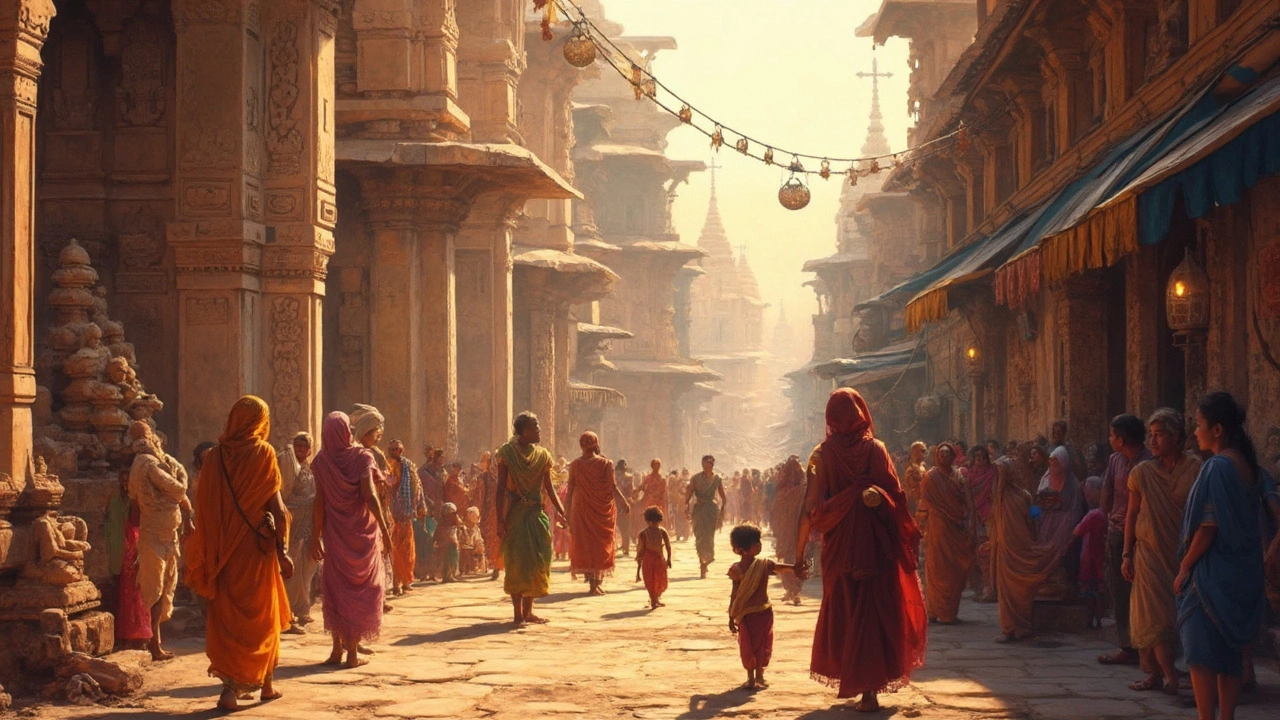
When you think of Indian art, a vast, living tradition of visual expression shaped by faith, nature, and daily life across thousands of years. Also known as South Asian art, it’s not locked away in museums—it’s carved into temple walls, painted on village floors, and passed down in family patterns you might not even notice anymore. This isn’t just about pretty images. It’s about how people saw the world, worshipped their gods, told stories without words, and left behind clues for us to find centuries later.
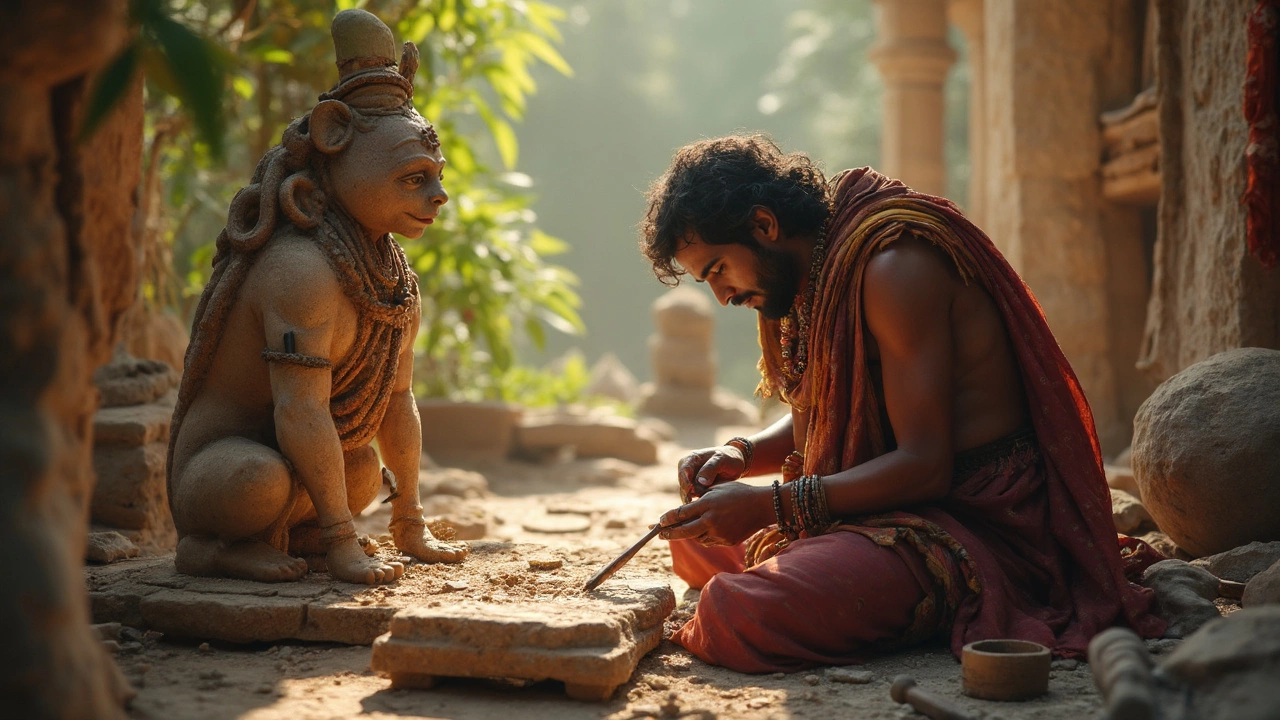
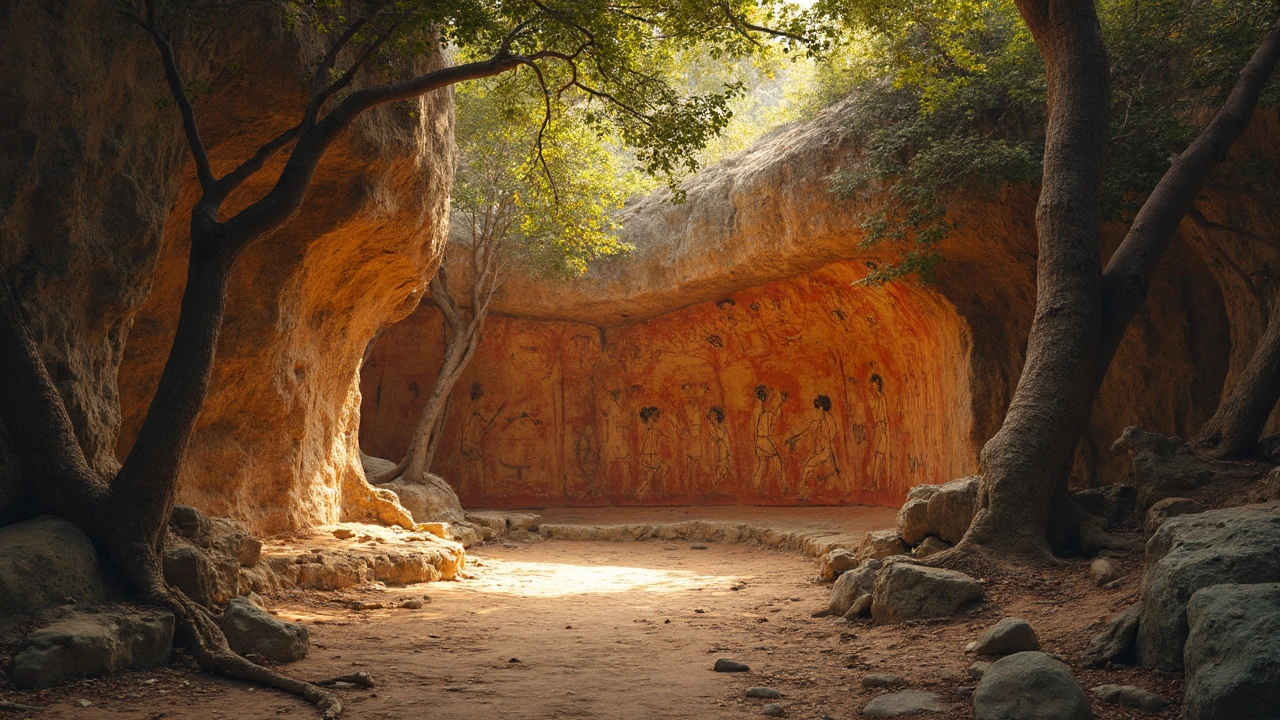
Ancient Indian art, the earliest forms of visual storytelling in the Indian subcontinent, rooted in spiritual practice and community life. It started long before written history. Take the Bhimbetka rock shelters, a site in Madhya Pradesh holding some of the oldest known human artwork on Earth, dating back over 30,000 years. These aren’t random doodles. They show hunting scenes, dancing figures, and animals that lived here when humans were still learning to live together. Then came the temple carvings—stone stories of gods, kings, and everyday life, where every curve and figure had meaning. And who made them? The first Indian artist, not a single person, but generations of unnamed craftsmen and women whose names were lost but whose hands shaped culture. They didn’t sign their work. They didn’t need to. Their art was part of the soil, the song, the ritual.
What makes Indian art different isn’t just its age. It’s how it never really left. You can still see its fingerprints today—in the patterns on a sari, the murals in a village temple, the way a dancer moves like a figure from a 2,000-year-old carving. This art didn’t die. It adapted. It whispered through generations. And now, it’s waiting for you to look closer.
Below, you’ll find real stories from the past that still speak today. From the meaning behind forgotten symbols to the people who first picked up the chisel or brush. No fluff. No myths. Just the art, the truth, and why it still matters in your life right now.