Test Your Knowledge: India's Cultural Capitals
Loading question...
Quiz Completed!
See how well you know India's cultural landscape.
You ask which city holds the title of India's cultural capital. You probably expect a single name. Maybe it’s Delhi, the political heart? Or Mumbai, the city that never sleeps? Here is the twist: India doesn’t have just one cultural center. It has several, each dominating a different aspect of heritage.
However, if you dig into history, literature, and the sheer density of living traditions, two names rise above the rest. Varanasi claims the spiritual and ancient mantle. Kolkata owns the literary, artistic, and intellectual crown. To understand India’s soul, you need to look at both, plus a few other heavyweights like Jaipur and Madurai.
Why isn't there just one cultural capital?
India is not a monolith. It is a subcontinent with thousands of years of distinct regional histories. A city in the north might celebrate Holi with massive public parties, while a city in the south focuses on temple rituals. No single city can represent every tradition equally.
The Spiritual Anchor: Varanasi
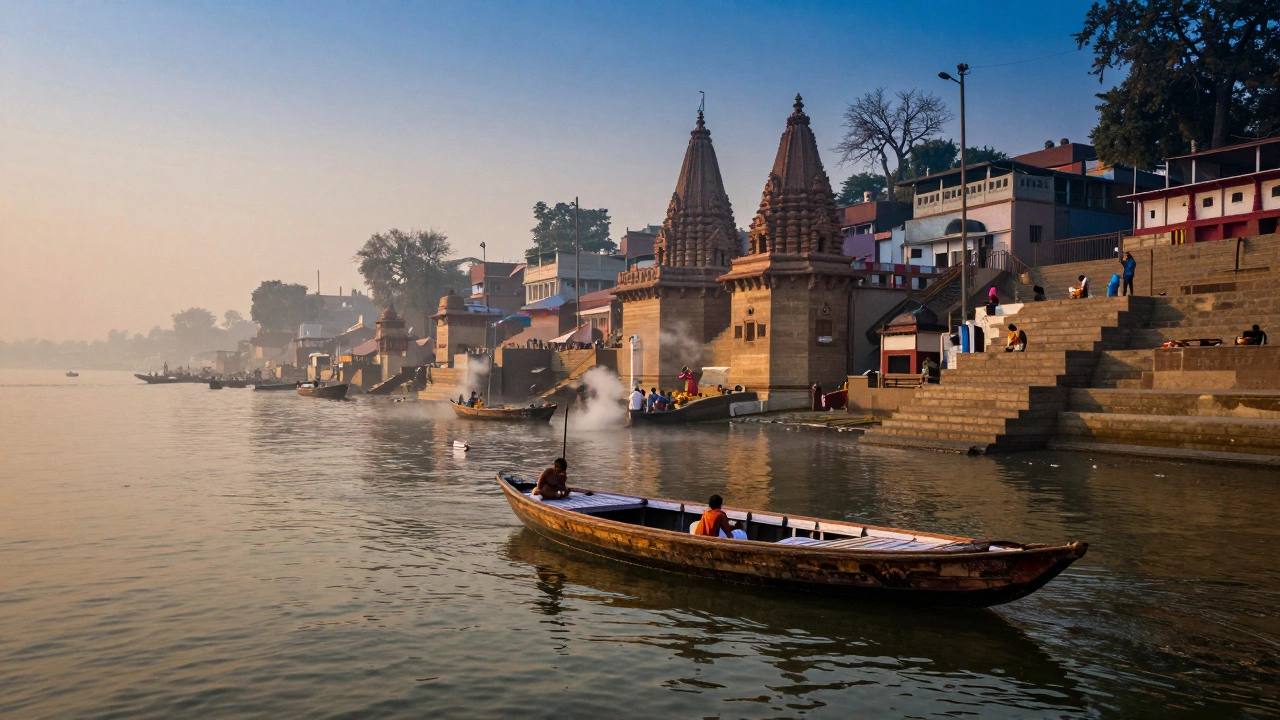
If you want to see the oldest continuously inhabited city in the world, you go to Varanasi. Located on the banks of the Ganges River in Uttar Pradesh, this place feels suspended in time. It is not just a tourist spot; it is a living laboratory of Hindu philosophy.
Walk through the narrow alleys, known as Gallis are narrow, winding lanes that lead down to the river ghats, and you hear the constant ringing of temple bells. The air smells of marigolds and incense. Here, life and death are not opposites but part of the same cycle. The Manikarnika Ghat is the primary cremation ghat where fires burn day and night operates 24/7. This stark reality draws millions of pilgrims who believe that dying here leads to moksha, or liberation from the cycle of rebirth.
But Varanasi is more than just rituals. It is the birthplace of Hindustani classical music. The Bhairav Raga is a morning raga traditionally performed at dawn is often dedicated to Lord Shiva, the city’s patron deity. In the evenings, the Ganga Aarti is a spectacular evening prayer ceremony performed by priests at Dashashwamedh Ghat turns the riverfront into a theater of fire, sound, and devotion. If your definition of "culture" is rooted in spirituality and ancient continuity, Varanasi wins.
The Intellectual Heartbeat: Kolkata
Now, shift your gaze east to West Bengal. Kolkata, formerly Calcutta, was the capital of British India for over a century. That colonial history blended with Bengali intellect to create a unique cultural fusion. While Varanasi looks backward to antiquity, Kolkata looks inward to the mind.
Kolkata is the land of Rabindranath Tagore, the first non-European to win the Nobel Prize in Literature. His influence is everywhere. You’ll hear his songs, known as Rabindra Sangeet are a genre of music composed by Rabindranath Tagore, played in tea stalls and universities alike. The city pulses with debate. Every corner café seems to host a discussion on politics, poetry, or cinema.
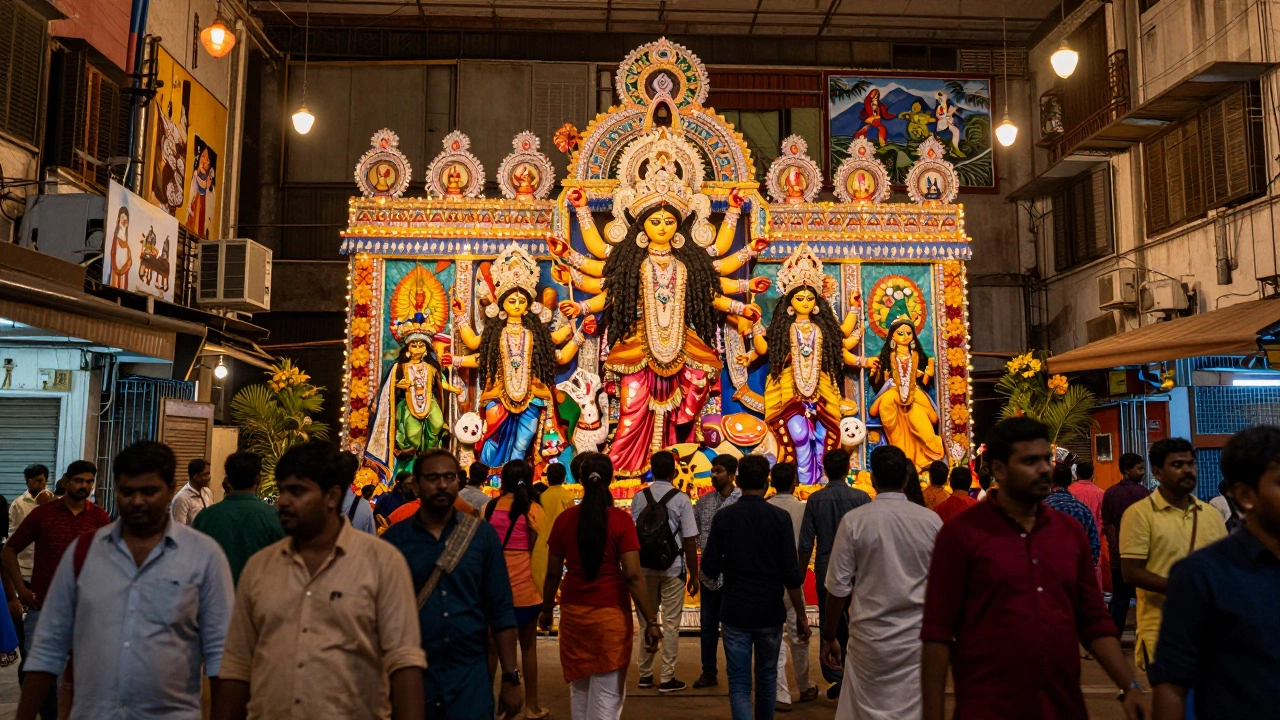
The visual arts scene is unmatched. The Kalighat Pat is a traditional style of painting originating from the Kalighat area showcases bold lines and vibrant colors, reflecting social changes during the 19th century. During Durga Puja, the entire city transforms into an open-air art gallery. Neighborhoods compete to build elaborate pandals (temporary structures) depicting mythological scenes or contemporary social issues. This festival is not just religious; it is a civic expression of identity. If your definition of culture involves literature, fine arts, and intellectual discourse, Kolkata is the undisputed champion.
The Royal Canvas: Jaipur
Let’s move to Rajasthan. Jaipur, the Pink City, offers a different flavor. Here, culture is displayed through architecture, royalty, and grandeur. Founded in 1727 by Maharaja Sawai Jai Singh II, Jaipur was planned using Vastu Shastra and Hindu treatises on construction.
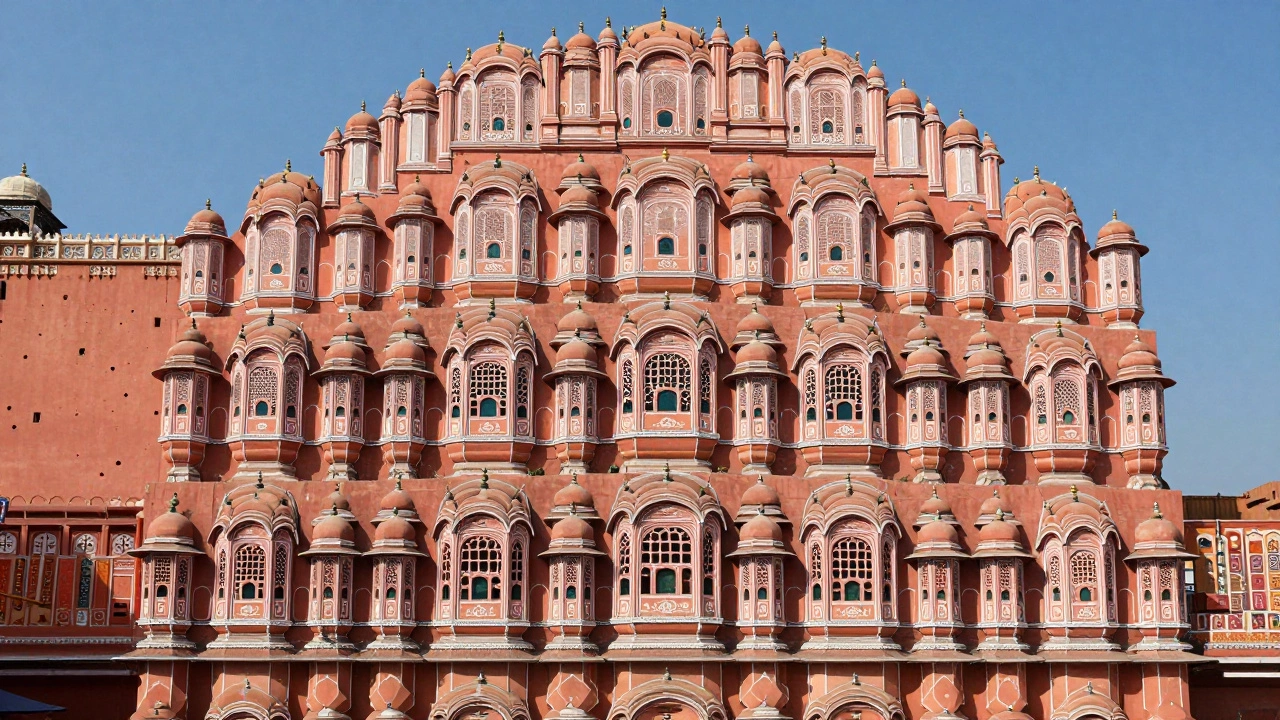
The city’s color scheme is intentional. Buildings are painted pink to welcome guests. The Hawa Mahal is the Palace of Winds, featuring 953 small windows called jharokhas allows royal women to observe street festivals without being seen. This architectural detail speaks volumes about the social norms of the time.
Jaipur’s culture is tactile. You buy textiles, jewelry, and blue pottery. The Jauhar Festival is a celebration honoring the courage of Rajput women keeps historical narratives alive through dance and drama. Unlike the introspective nature of Kolkata or the spiritual intensity of Varanasi, Jaipur’s culture is performative and visual. It invites you to wear, touch, and marvel.
The Temple Metropolis: Madurai
Don’t ignore the South. Madurai in Tamil Nadu is one of the oldest cities in India, with a recorded history spanning over 2,500 years. The city revolves around the Meenakshi Amman Temple is a historic Hindu temple complex dedicated to Goddess Meenakshi. This isn’t just a place of worship; it is the economic and social hub of the region.
The temple’s architecture features towering gopurams (gateways) covered in thousands of colorful sculptures. These aren’t static decorations; they tell stories from the Puranas. The daily rituals here involve intricate oil lamps, flower offerings, and Carnatic music performances. The Pongal Festival is a four-day harvest festival celebrated in Tamil Nadu turns the city into a vibrant display of agricultural gratitude. Madurai represents a culture deeply tied to language (Tamil), agriculture, and temple-centric community life.
Comparing the Contenders
To help you decide which city aligns with your interest, let’s break down their strengths. Each city excels in specific cultural domains.
| City | Primary Cultural Focus | Key Heritage Asset | Best For Travelers Who Love... |
|---|---|---|---|
| Varanasi | Spirituality & Ancient Rituals | Ganges Ghats | Meditation, Philosophy, Photography |
| Kolkata | Literature & Fine Arts | Durga Puja Pandals | Reading, Debates, Street Food |
| Jaipur | Architecture & Royalty | Amber Fort & Hawa Mahal | Shopping, History, Visual Spectacle |
| Madurai | Temple Architecture & Music | Meenakshi Amman Temple | Carnatic Music, Dravidian Art |
Why the Title Matters Less Than the Experience
Labels like "cultural capital" are useful for marketing, but they fail to capture the nuance. When you visit Varanasi, you don’t just "see" culture; you participate in it. You take a boat ride at dawn, sharing the water with holy men and bathers. In Kolkata, you sit in a dusty bookstore in College Street, debating the merits of Satyajit Ray’s films with a local student. In Jaipur, you haggle for a silk sari, learning the subtle differences in weave and dye.
The real answer to "which city is the cultural capital" depends on what you value. If you seek roots, go to Varanasi. If you seek minds, go to Kolkata. If you seek grandeur, go to Jaipur. If you seek devotion, go to Madurai.
India’s strength lies in its diversity. No single city can hold the entire weight of a billion people’s traditions. Instead, these cities act as pillars, supporting the vast roof of Indian heritage. Your journey should reflect your personal curiosity.
Practical Tips for Cultural Immersion
Visiting these places requires more than just booking a flight. To truly engage with the culture, follow these guidelines:
- Respect Dress Codes: In Varanasi and Madurai, temples require modest clothing. Cover your shoulders and knees. Remove shoes before entering sacred spaces.
- Learn Basic Phrases: In Kolkata, knowing a few words of Bengali opens doors. In Jaipur, Hindi is essential. Locals appreciate the effort, even if your pronunciation is imperfect.
- Avoid Peak Crowds: Durga Puja in Kolkata attracts millions. If you dislike crowds, visit in November when the weather is pleasant and the city is quieter. Similarly, avoid Kumbh Mela years in Varanasi unless you specifically want that intense experience.
- Support Local Artisans: In Jaipur, buy directly from workshops rather than tourist shops. Ask about the techniques used. This supports the preservation of crafts like block printing and gemstone cutting.
Hidden Gems Beyond the Big Four
While Varanasi, Kolkata, Jaipur, and Madurai dominate the conversation, other cities deserve mention. Udaipur is known as the City of Lakes, famous for its palaces and romantic ambiance offers a refined version of Rajasthani culture. Chennai is the gateway to South India, renowned for its classical music conferences and film industry hosts the Margazhi season, a month-long festival of classical music and dance. Amritsar is home to the Golden Temple, a symbol of Sikhism and equality showcases the Sikh tradition of langar (community kitchen) where free meals are served to all, regardless of caste or creed.
These cities add depth to the narrative. They show that Indian culture is not static. It evolves, absorbs influences, and creates new forms. From the Sufi qawwali in Lahore (now Pakistan) to the Bhangra beats in Punjab, the cultural map is constantly shifting.
Is Delhi considered a cultural capital?
Delhi is a melting pot. It has museums, monuments, and diverse communities. However, it lacks the singular, defining cultural identity of Varanasi or Kolkata. It reflects the cultures of all India rather than originating a specific one.
When is the best time to visit these cities?
Winter (October to March) is ideal for most of North India, including Varanasi, Jaipur, and Kolkata. Summers can be extremely hot. Madurai remains warm year-round but is comfortable enough for temple visits.
Can I visit multiple cultural cities in one trip?
Yes, but pace yourself. A common route is Delhi to Jaipur to Udaipur. Another is Kolkata to Varanasi via train. Don’t try to cover too much ground in a short time. Culture requires slow observation.
What is the significance of the Ganges in Varanasi?
The Ganges is considered a goddess. Bathing in her waters is believed to cleanse sins. The river is central to daily life, ritual, and mythology in Varanasi, making it the spiritual axis of the city.
How does Kolkata's culture differ from Mumbai's?
Mumbai is fast-paced, commercial, and driven by the film industry. Kolkata is slower, more reflective, and driven by literature and politics. Mumbai celebrates success; Kolkata debates ideas.