Find Your Perfect Retro Dance Style
Answer these quick questions to find which classic dance style matches your vibe!
Your Personalized Profile
Did You Know?
You put on your favorite vintage vinyl record, and suddenly, your feet start moving. But what exactly are you doing? Is it just waving your arms, or is it a specific art form? When people talk about retro dance, they aren’t usually describing one single style. Instead, they refer to social dance movements that have popped up repeatedly over the last fifty years. While the internet floods us with TikTok trends, true retro dancing connects us to physical communities from the past. Understanding these styles helps you appreciate the regional histories embedded in every step.
Dance isn't just movement; it’s a historical document written in rhythm. When we categorize retro dance, we aren’t looking at ancient classical forms or modern choreography. We are talking about 20th-century social dances that defined their generations and have lived on. To break this down clearly, we need to look at the three dominant pillars that keep retro dance alive today. Each of these comes from a different corner of the world, carrying unique regional DNA.
The Origins of Swing and Jitterbug
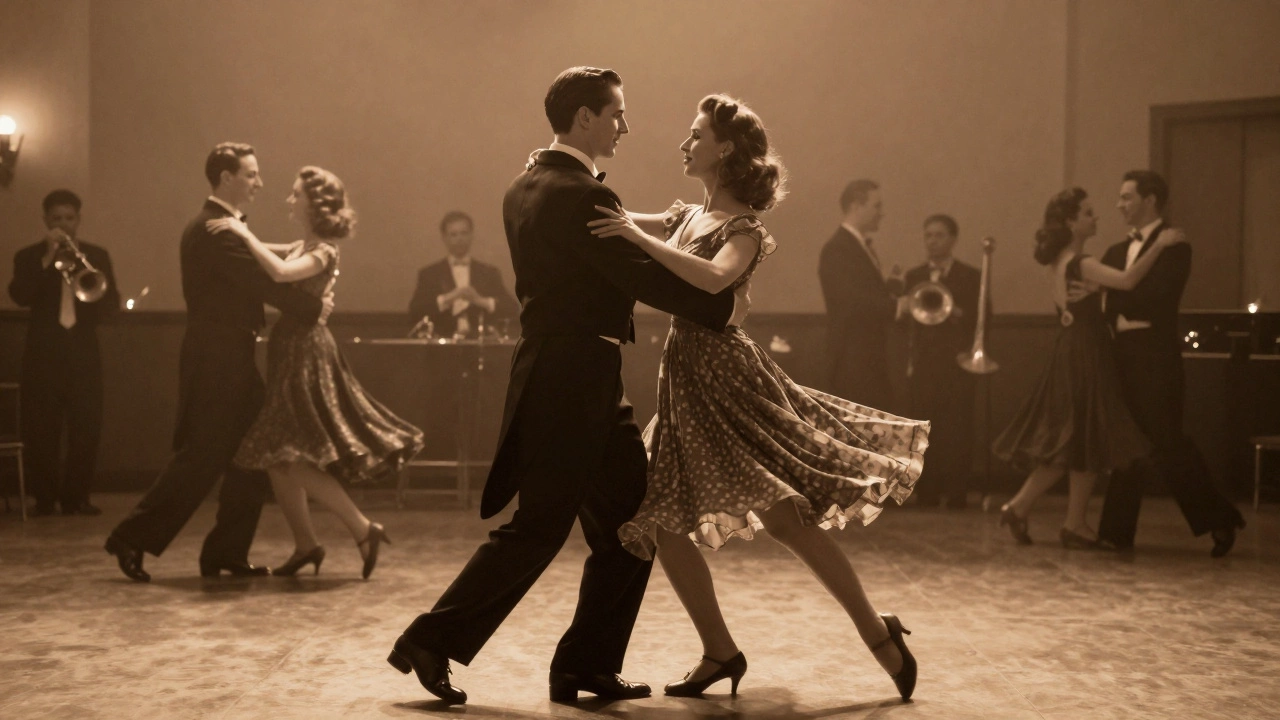
Imagine a bustling ballroom in the late 1930s. The air smells of smoke and perfume, and big band trumpets fill the room. This is the home of Swing Dancing. Unlike solitary dance styles, Swing is deeply communal. It emerged prominently in Harlem, New York, evolving from African-American vernacular dance styles mixed with Lindy Hop elements. It wasn't just entertainment; it was a cultural statement of resilience during the Great Depression.
Swing dancing is a partner dance style characterized by fast tempos, syncopated rhythm, and energetic improvisation. It originated in the United States in the 1920s and gained massive popularity throughout the 1930s and 40s.Why does this still matter in 2026? The energy hasn’t faded. Swingers today focus on "connection" between partners. You move together as a unit, communicating weight shifts through hand holds and body tension. The regional influence here is key; it is distinctly North American in its evolution. You won’t find this exact same social structure in Europe or Asia during that era. The Jitterbug, a high-energy variant often confused with Lindy Hop, added aerial acrobatics that made audiences cheer. When you see someone kicking their legs into the air to a Louis Armstrong record, you are witnessing a preserved piece of Harlem history.
- Music: Big Band Jazz, Bebop.
- Key Move: The Charleston kick and the Underarm Turn.
- Region: Northeastern USA (Harlem).
The Rise of Disco and Studio Culture
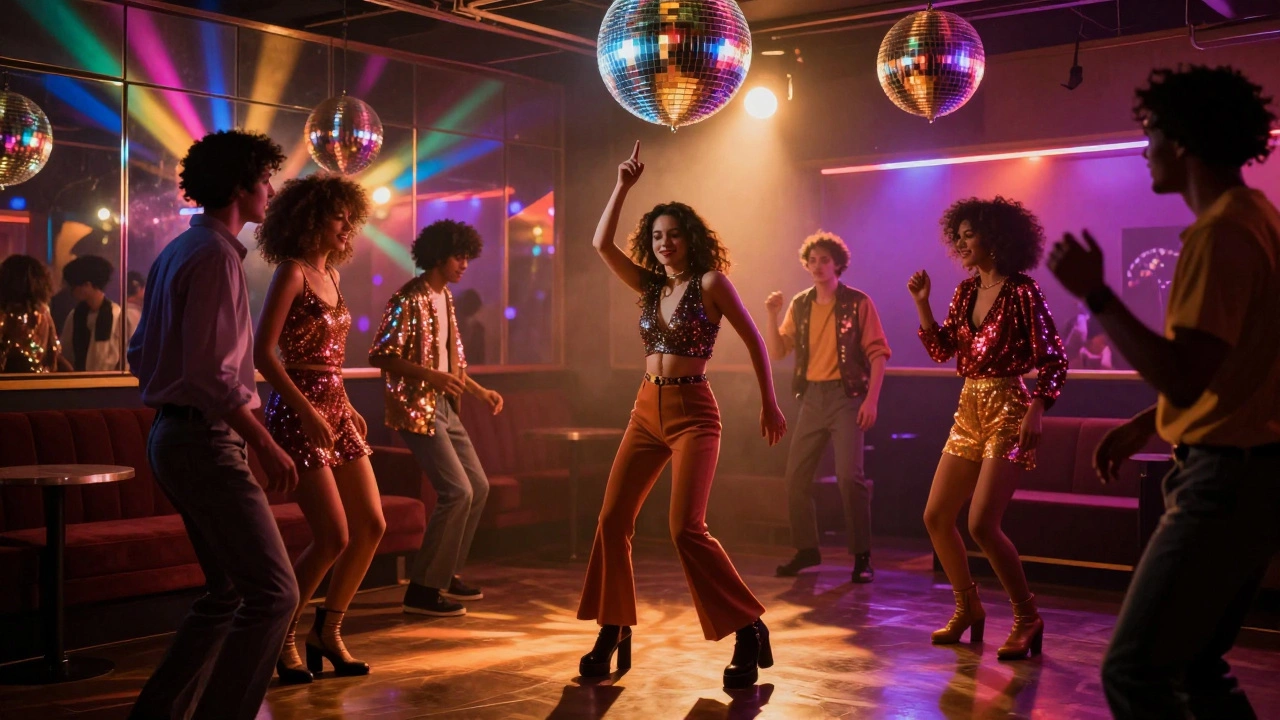
If Swing belongs to the ballroom, Disco Dancing belongs to the club. Emerging in the early 1970s, this style represents a shift from formal partnership to individual expression. While Swing is about connecting with another person, Disco is about connecting with the beat. It drew heavily from soul, funk, and psychedelic rock, creating a sound so infectious that it dominated the decade.
Disco is a genre of music and dance that emerged in the 1970s, known for heavy bass lines, orchestral strings, and the signature four-on-the-floor drum beat. The associated dance style emphasizes rhythmic stepping and arm movements.This style spread rapidly beyond the city clubs where it started. By the mid-70s, the "Studio 54" effect had permeated suburbs across Europe and North America. The dance moves were simple enough for anyone to join but stylized enough for performers to shine. Think of the “Bust-a-Move” or simply stepping side-to-side with a finger pointed to the ceiling. It’s less technical than Swing but relies heavily on rhythm and groove. For many in the 70s, dancing to Disco was a way to reclaim freedom from the conservative norms of the previous generation. In 2026, when you see “disco nights” at local bars, you are participating in a tradition that celebrates inclusivity.
- Music: Funk, Soul, Electronic Pop.
- Key Move: The Bus Stop and the Bump.
- Region: Urban Centers (New York, Philadelphia).
Latin Heat: Salsa and Cha-Cha
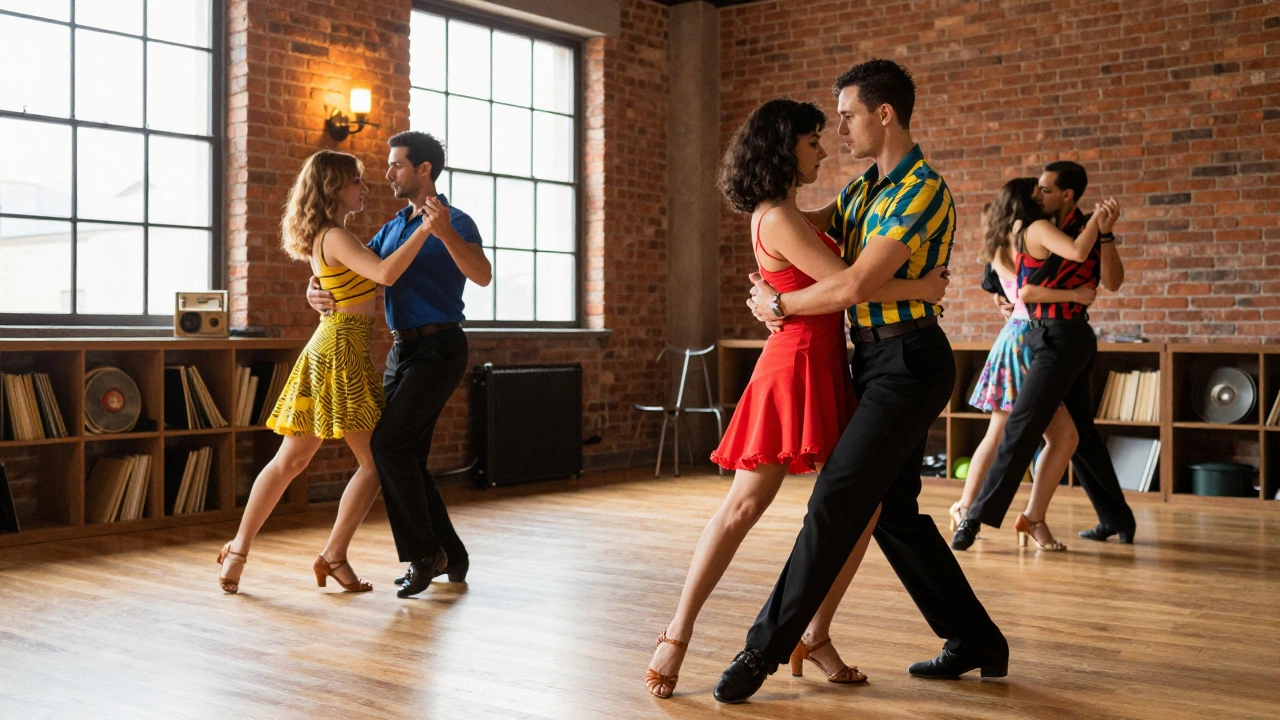
While the Anglosphere swung and discothed, Latin America offered something entirely different rooted in passion and intricate footwork. Salsa Dancing represents the third pillar of retro dance culture. It didn’t spring from a single factory but evolved from a blend of Cuban Son, Puerto Rican Boogaloo, and African rhythms brought to the Caribbean. This is where the term "regional dance forms" hits home most strongly.
Salsa is a partner dance of Latin origin, combining complex hip movements and quick directional changes. It developed in New York City from Puerto Rican immigrants mixing with Cuban musical traditions.Unlike Disco, which can be solo, or Swing, which requires a specific structural connection, Salsa offers a conversation of leadership and followership through rapid spins. It carries a distinct flavor of the streets of Havana and San Juan. Even today, the distinction remains clear: New York style emphasizes sharp, grounded footwork, while Cuban style focuses more on circular hip motion. This variation shows how the same core idea adapts to different local tastes. You can walk into a dance hall in Miami and learn a completely different “retro” version than in Barcelona or Manila.
- Music: Mambo, Son Montuno, Latin Jazz.
- Key Move: The Basic Step and Enchufla.
- Region: Cuba, Puerto Rico, New York.
Comparing the Three Major Styles
To really understand how these fit together, we need to compare their mechanics and vibes. They aren’t interchangeable. Trying to Salsa to a Swing band feels wrong, much like trying to eat fish with a spoon. Here is how they stack up against each other for someone deciding where to put their energy.
| Feature | Swing (Lindy Hop) | Disco | Salsa |
|---|---|---|---|
| Primary Connection | Closed Partner Hold | Solo / Freeform | Open Partner Frame |
| Typical Tempo (BPM) | 150 - 200 | 110 - 120 | 160 - 190 |
| Focus Point | Improvisation & Syncopation | Rhythm & Groove | Turns & Footwork |
| Fashion Vibe | Tailored 40s Style | Bell Bottoms & Sequins | Vibrant Dresses & Shirts |
Keeping the Tradition Alive in 2026
Why do we bother learning these dances when we have AI-generated playlists? Because digital consumption is passive; dance is active. There is a resurgence happening globally. In Brisbane, London, and Chicago, dance halls dedicated to vinyl spinning are booking out months in advance. People crave the friction of real instruments and the vulnerability of being in a crowd with shared movement. Preserving these three styles ensures we don’t lose the cultural context of our grandparents’ eras.
When you step onto a floor and perform a Cross-Body Lead or spin in a turn pattern, you are physically replicating a gesture that hundreds of thousands of people made before you. That is a powerful link across time. It reminds us that while technology changes, the human need to celebrate, connect, and move to music remains constant.
Is retro dance the same as line dancing?
Not exactly. Line dancing involves synchronized group movements where everyone faces the same direction, often without partners. Retro dance is a broader term that includes partner work (Swing, Salsa) and social floor fills (Disco). However, line dancing did emerge from country-western scenes which have retro appeal in the 2020s.
Do I need a partner to learn these styles?
It depends on the style. Disco is largely solo-friendly. Swing and Salsa require a partner for full practice, but most classes allow rotation. Beginners often practice footwork and posture alone before joining a workshop with rotating partners.
What shoes should I wear for vintage dance events?
Comfort is key. For Swing, leather-soled shoes help slide easily. For Disco, anything with a heel works well, including platform boots. Salsa dancers often prefer heels for women and smooth leather for men to aid turns. Avoid rubber-grip sneakers as they resist movement.
Where can I find authentic music for these dances?
Streaming platforms have curated playlists, but the best experience is vinyl records. Look for original pressings from the 1950s to 1980s. Many collectors sell rare editions online, and local libraries often maintain archives of jazz and big band classics.
Are these styles suitable for beginners in their 30s or 40s?
Absolutely. Dance fitness levels vary. Most community groups welcome all ages. Starting at any age connects you immediately with older enthusiasts who love sharing their knowledge. The focus is on fun and connection, not Olympic-level athleticism.