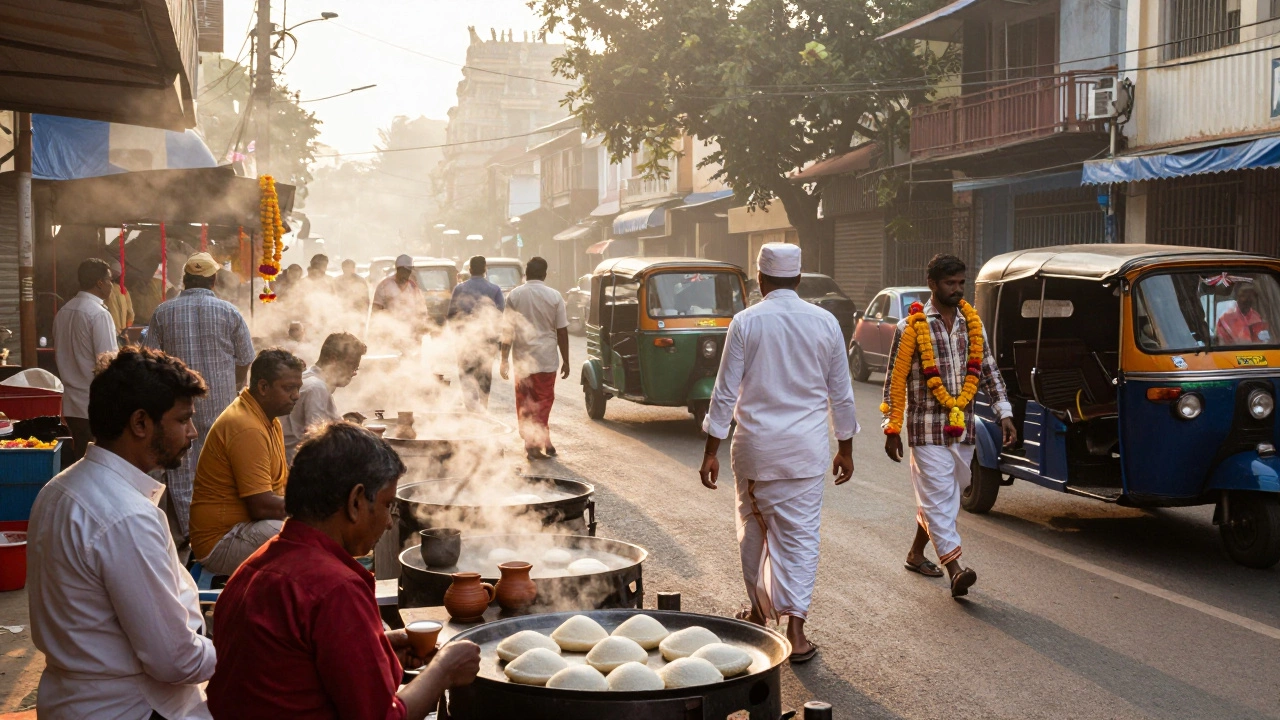
Tamil Nadu Daily Meal Planner
Select Your Time
Choose a time of day to see what is traditionally eaten in Tamil Nadu.
Tip: Try "Festive" to learn about Pongal celebrations.
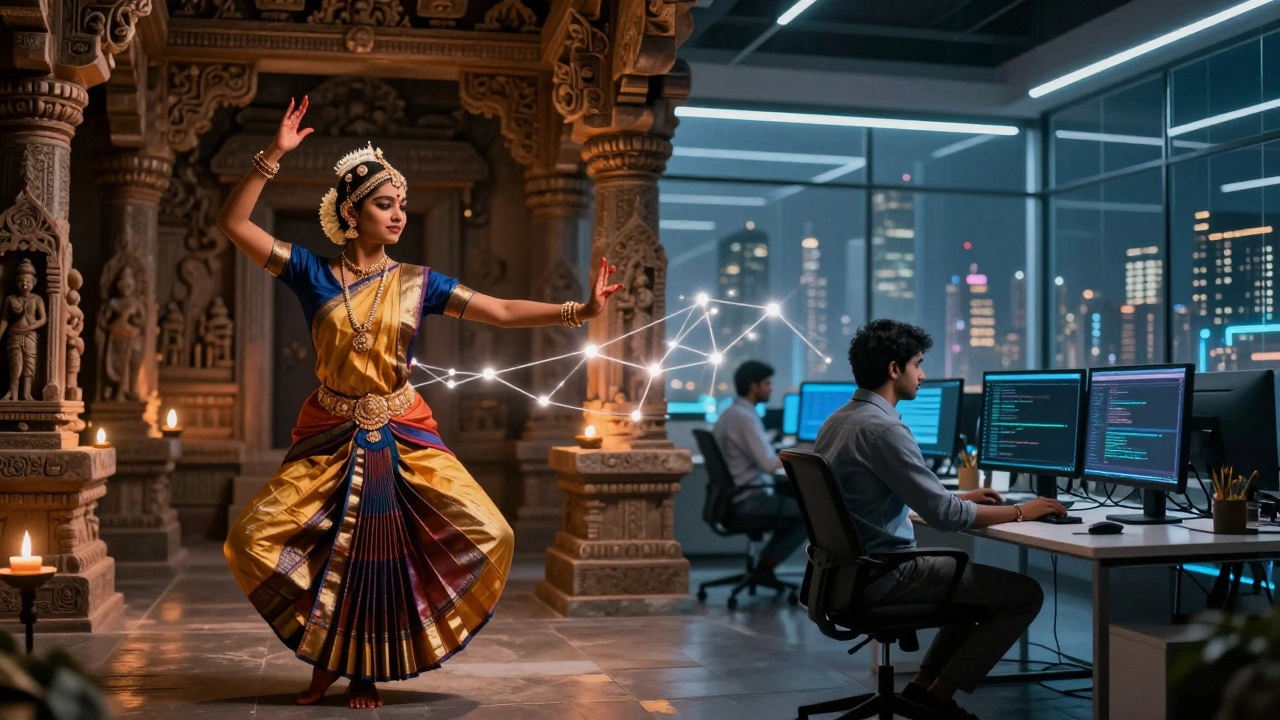
Walking through the streets of Chennai, the capital city of Tamil Nadu, you are immediately hit by a sensory overload. The air smells of jasmine flowers, frying chilies, and incense. You hear the rhythmic clapping of Bharatanatyam dancers practicing in a nearby hall, mixed with the honking of auto-rickshaws and the distant bells of a temple. This is not just a scene from a movie; it is the heartbeat of everyday life for over 78 million people. But what does it actually mean to live in this southern state of India? It is more than just wearing silk sarees or eating rice. It is a complex blend of ancient rituals, modern tech hubs, and a deep-seated respect for community.
If you have ever wondered how tradition survives in such a fast-paced world, Tamil Nadu offers a fascinating case study. Here, a software engineer might code all day and then perform a ritual at home before dinner. A grandmother might use WhatsApp to coordinate family gatherings while preparing food using recipes passed down for centuries. Let’s break down the real texture of life here, moving beyond stereotypes to see how people actually live, work, and celebrate.
The Morning Ritual: Temple and Tea
The day in Tamil Nadu, a state in southern India known for its Dravidian culture often begins before the sun fully rises. For many families, the morning routine is anchored around two things: prayer and tea. While not every household follows strict religious practices, the cultural influence of Hinduism is undeniable. You will see men and women dressed in traditional attire-men in white dhotis (veshti) and women in cotton sarees-walking towards local temples. These aren’t just tourist attractions like the Meenakshi Amman Temple in Madurai; they are neighborhood sanctuaries where people go to offer flowers, light lamps, and seek blessings.
This spiritual start transitions quickly into social bonding over tea. In Tamil Nadu, tea is not just a beverage; it is a pause button for life. Whether it is strong black tea with ginger and cardamom served in clay cups (kallu kapi) or milky chai from a roadside stall, stopping for tea is mandatory. It happens at bus stops, office lobbies, and front porches. This habit fosters a slow-start to the day, allowing neighbors to catch up on gossip, politics, and weather updates before the rush hour traffic takes over.
Food: The Rice-Centric Plate
You cannot talk about the lifestyle here without addressing food. If there is one rule in Tamil households, it is that no meal is complete without rice. Unlike other parts of India where wheat-based rotis dominate, the staple here is steamed rice. Breakfast sets the tone for the day. Common items include idli (steamed rice cakes), vada (spicy lentil donuts), and dosa (fermented crepes). These are typically served with sambar (a tangy lentil-vegetable stew) and coconut chutney. The fermentation process gives these foods a distinct sour taste that locals crave.
Lunch is usually the main meal of the day. A typical thali (plate) consists of rice topped with various curries, rasam (a spicy soup), poriyal (dry vegetable stir-fry), and payasam (a sweet dessert) on special occasions. Dinner tends to be lighter, often consisting of leftover lunch items or simple rice with curry. What makes the food unique is the heavy use of spices like mustard seeds, curry leaves, turmeric, and tamarind. These ingredients are not just for flavor; they are believed to aid digestion and balance body heat, aligning with principles of Ayurveda. Even in urban centers like Coimbatore or Tiruchirappalli, street food vendors serve these traditional meals at affordable prices, making high-quality nutrition accessible to everyone.
| Food Item | Type | Key Ingredients | Cultural Context |
|---|---|---|---|
| Idli | Breakfast | Rice, Lentils | Light, easy to digest start to the day |
| Dosa | Breakfast/Snack | Rice, Lentils, Spices | Versatile; can be plain or stuffed |
| Sambar | Sauce/Stew | Lentils, Tamarind, Vegetables | Essential accompaniment to rice and idli |
| Biryani | Festive Meal | Rice, Meat/Veg, Spices | Served during celebrations and weddings |
Work-Life Balance: From IT Hubs to Agriculture
Tamil Nadu is an economic powerhouse, contributing significantly to India’s automotive and IT sectors. Cities like Chennai and Coimbatore are global manufacturing hubs for cars and textiles. However, the work culture varies greatly depending on the region. In urban areas, the pace is fast. Professionals work long hours in multinational corporations, dealing with global clients. Yet, even here, there is a strong emphasis on family time. It is common for employees to leave work by 6 PM to attend evening classes for children or join family dinners.
In rural areas, life revolves around agriculture. Paddy cultivation is dominant, but banana, mango, and coconut farming also play huge roles. Farmers often follow traditional almanacs to decide planting schedules, blending old wisdom with new technology. The government has implemented various schemes to support farmers, including subsidies for irrigation and electricity. Despite the challenges of climate change, the agrarian lifestyle remains resilient, with communities coming together for harvests and festivals.
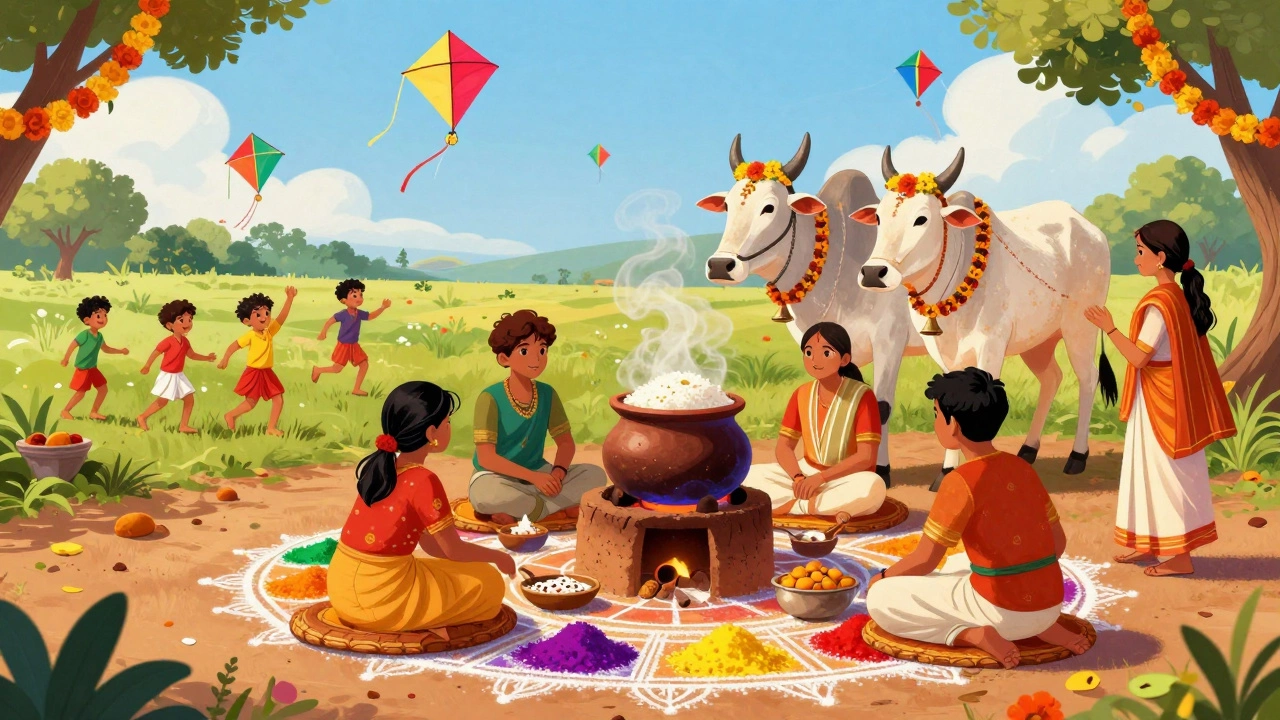
Festivals: Celebrating Heritage
If you visit Tamil Nadu during a festival, you will witness the true spirit of its people. Pongal, the major harvest festival of Tamil Nadu is the most significant event of the year, celebrated in January. It marks the beginning of the sun’s northward journey. Families clean their homes, cook a special dish called Pongal (made from rice, milk, and jaggery), and decorate cattle. The festival lasts four days, each with specific rituals. On the second day, people fly kites and enjoy outdoor games. On the third day, they honor cattle, acknowledging their role in farming.
Another major festival is Thai Pongal, which coincides with Pongal. There is also Deepavali (Diwali), celebrated with great fervor, especially in the northern districts. People light oil lamps, exchange sweets, and perform Lakshmi Puja. Navaratri, a nine-night festival dedicated to Goddess Durga, involves dancing Garba and attending night-long prayers. These festivals are not just religious observances; they are social glue that binds communities together. They provide opportunities for people to reconnect, share meals, and reinforce cultural identity.
Arts and Entertainment: Classical Roots
Tamil Nadu is the heartland of classical arts. Bharatanatyam, a classical dance form originating in Tamil Nadu is practiced by thousands of students, from young children to adults. Dance academies are ubiquitous in cities and towns. Similarly, Carnatic music, another classical tradition, is deeply embedded in daily life. Radio stations broadcast classical concerts early in the morning, and many households have regular listening sessions.
Cinema also plays a massive role. Tamil films, known as Kollywood, have a huge following not just in the state but across India and among the diaspora. Movie releases are treated like holidays. People queue up for opening nights, discuss plotlines for weeks, and mimic dialogues in everyday conversation. The industry influences fashion, language, and even political discourse. While some criticize the commercialization of cinema, others argue that it preserves the Tamil language and provides a platform for social commentary.
Social Structure and Family Values
Family is the cornerstone of Tamil society. Joint families, though becoming less common in urban areas due to space constraints, still maintain strong emotional ties. Elders are respected and consulted on major decisions like marriages and career choices. Marriage itself is a grand affair, often involving elaborate ceremonies, horoscope matching, and large guest lists. Arranged marriages are still prevalent, but love marriages are gaining acceptance, especially among younger generations.
Education is highly valued. Parents invest heavily in their children’s schooling, often prioritizing engineering, medicine, or business degrees. Competitive exams are taken seriously, with coaching centers proliferating in cities. However, there is also a growing recognition of the importance of holistic education, with schools incorporating yoga, meditation, and traditional arts into their curriculum.
Modern Challenges and Adaptations
Like any rapidly developing region, Tamil Nadu faces challenges. Urbanization has led to issues like traffic congestion, pollution, and housing shortages. Water scarcity is a growing concern, affecting both agriculture and domestic supply. Climate change impacts monsoon patterns, threatening livelihoods. Additionally, there is tension between preserving traditional values and adapting to global influences. Younger generations sometimes feel pressured to conform to conservative norms while seeking individual freedom.
Despite these challenges, the people of Tamil Nadu show remarkable adaptability. They embrace technology while holding onto traditions. They advocate for environmental sustainability while pursuing economic growth. The state’s robust public healthcare system and high literacy rates contribute to a generally healthy and educated population. Community initiatives, such as neighborhood cleanliness drives and cultural preservation societies, help address local issues collectively.
What is the most important festival in Tamil Nadu?
Pongal is the most significant festival, celebrating the harvest. It involves cooking special dishes, decorating homes, and honoring cattle. It marks the end of the harvest season and the beginning of a new cycle.
Is Tamil Nadu vegetarian or non-vegetarian?
Dietary habits vary by community and region. Many Brahmin families are strictly vegetarian, while others consume fish, chicken, or mutton. Seafood is popular in coastal areas. Overall, there is a mix of vegetarian and non-vegetarian preferences.
What language do people speak in Tamil Nadu?
Tamil is the official and primary language. English is widely used in education, business, and administration. Many people are bilingual, switching between Tamil and English depending on the context.
How do people dress in Tamil Nadu?
Traditional attire includes the veshti (dhoti) for men and saree for women. Cotton fabrics are preferred due to the hot climate. Western clothing is common in urban areas, especially among youth and professionals.
What are the main industries in Tamil Nadu?
Automobile manufacturing, information technology, textiles, and agriculture are key industries. Chennai is a major hub for car production, while Coimbatore is known for textiles and engineering goods.