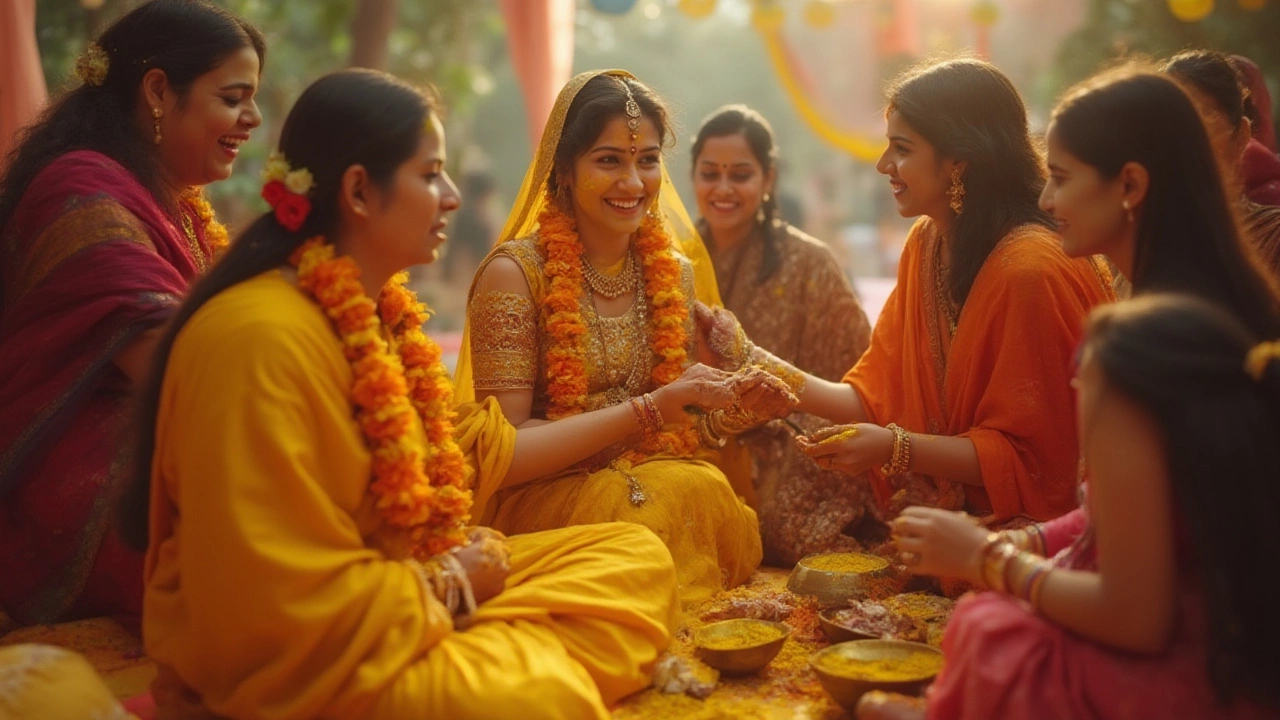
Yellow Paste at Indian Weddings: The Story Behind the Haldi Ceremony
Ever wondered about the yellow paste at Indian weddings? Learn what it is, why it's used, and the meaning and rituals behind the famous haldi ceremony.
When you think of wedding traditions, the deep, layered customs passed down through generations in Tamil communities. Also known as Tamil marriage customs, these rituals are more than just formalities—they’re living expressions of family, faith, and identity. Unlike Western weddings that often focus on the couple’s personal journey, Tamil weddings are family affairs, where every step, from the first meeting to the final blessing, carries meaning rooted in centuries of practice.
These traditions include the Mangala Snanam, a sacred pre-wedding purification bath performed by both families, and the Nischayathartham, the formal engagement where families exchange gifts and confirm the union. The wedding day itself begins with the Kashi Yatra, a playful ritual where the groom pretends to leave for spiritual study, only to be gently persuaded to return for marriage. Each of these moments is tied to a belief: that marriage isn’t just between two people, but between two lineages, two homes, and two destinies.
Even the clothing speaks volumes. The bride wears a silk saree, often in red or gold, with intricate zari work that symbolizes prosperity. The groom’s dhoti and angavastram aren’t just attire—they’re markers of respect and tradition. The tying of the thali, or mangalsutra, isn’t just a necklace—it’s a promise sealed in the presence of ancestors and gods. These aren’t performances for guests; they’re acts of devotion, quietly performed with the same care as a morning prayer.
And it’s not just about the ceremony. Tamil weddings stretch over days. There’s the Ganapathi Homam, a ritual to remove obstacles before the wedding, and the Saptapadi, the seven steps around the sacred fire, each step a vow for shared life. Even after the wedding, the bride’s first meal at her new home is served on a banana leaf, with a special sweet to welcome her into the family.
What makes these traditions endure isn’t just habit—it’s meaning. In a world where weddings are often about trends and photos, Tamil weddings stay grounded in purpose. They remind us that marriage isn’t just a day, but a beginning built on shared values, respect, and quiet rituals that have held families together for generations.
Below, you’ll find real stories and deep dives into these customs—from how Diwali and Karthigai Deepam sometimes overlap with wedding dates, to how modern Tamil couples are blending old rituals with new life. Whether you’re planning a wedding, curious about heritage, or just want to understand what makes these celebrations so powerful, what follows is a window into a culture where every gesture has history, and every step has soul.
Ever wondered about the yellow paste at Indian weddings? Learn what it is, why it's used, and the meaning and rituals behind the famous haldi ceremony.
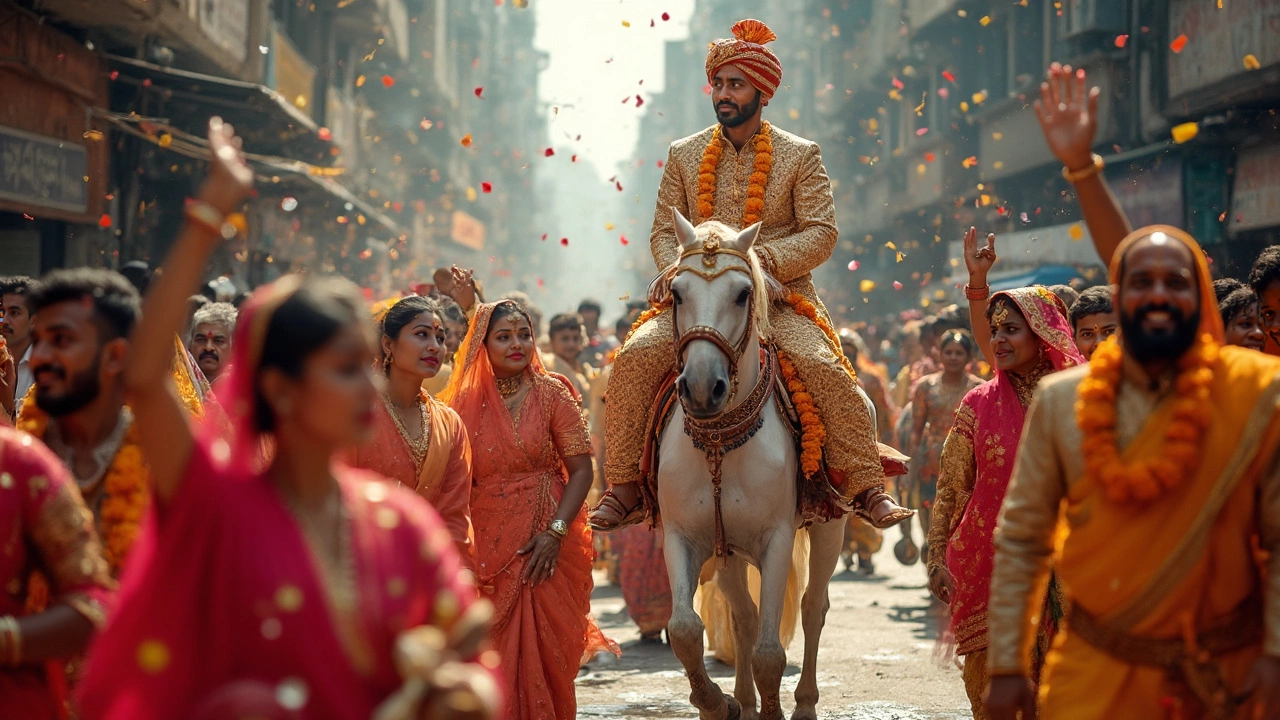
Indian weddings are colorful, loud, and full of meaning. From the pre-wedding ceremonies to the post-wedding celebrations, each step has a purpose. The rituals aren’t just beautiful—they’re loaded with symbolism and cultural values. Navigating an Indian wedding feels like stepping into another world, especially if you’re experiencing it for the first time. Here’s what really happens and what you need to know.