Wedding Planning in Tamil Culture: Traditions, Rituals, and Modern Tips
When it comes to wedding planning, the process in Tamil culture is a deep, multi-stage ritual that brings families together, not just two individuals. Also known as Tamil marriage customs, it’s less about buying a venue and more about honoring centuries-old practices that connect the living with ancestors, gods, and community. This isn’t a single event—it’s a journey that can stretch over weeks or even months, with each step carrying meaning, music, and memory.
At the heart of Tamil wedding planning are rituals like Nischayathartham, the formal engagement where families exchange gifts and confirm the match, followed by Muhurtham, the sacred timing chosen by astrologers to begin the ceremony. These aren’t just traditions—they’re the backbone of how Tamil families approach marriage. You won’t find rushed planners here. Instead, you’ll see grandmothers checking almanacs, uncles negotiating dowry items like gold and silk, and mothers cooking special dishes for each ceremony. Even today, when couples live in London or Toronto, they still fly back to Tamil Nadu for these rites because skipping them feels like skipping family.
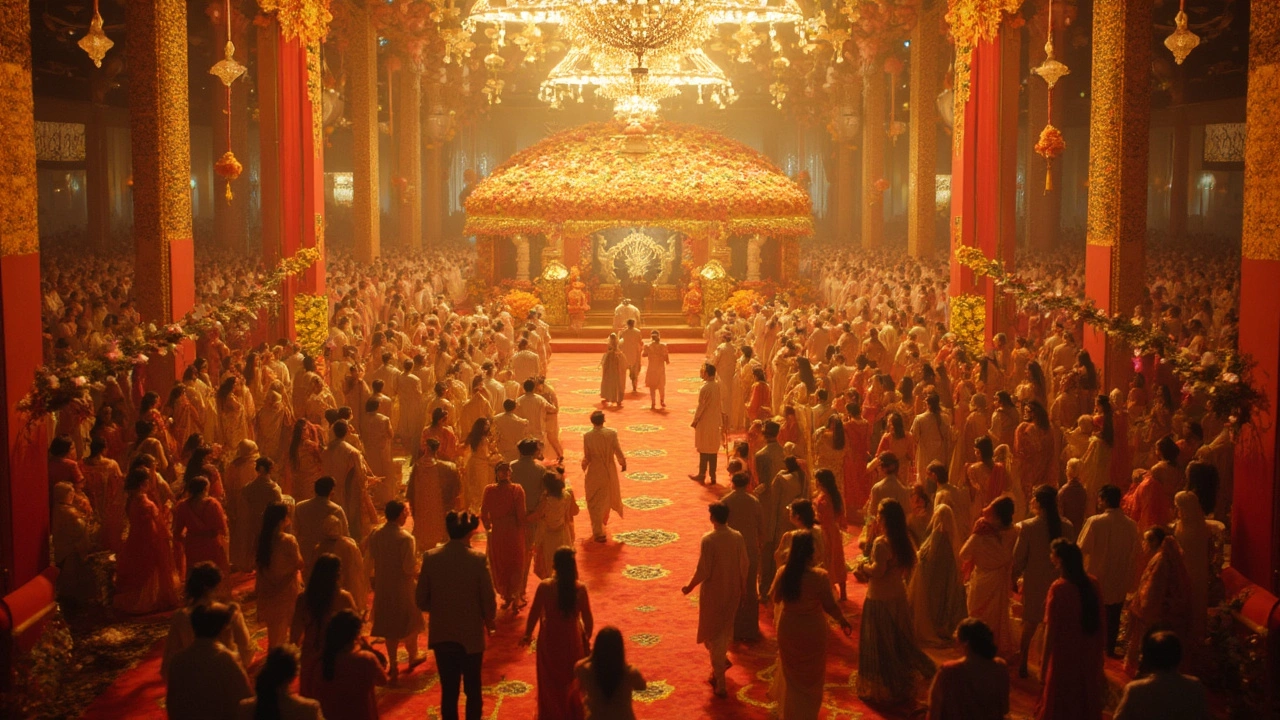
What makes Tamil wedding planning different from other Indian weddings? It’s the rhythm. While North Indian weddings might focus on big parties, Tamil weddings build intensity slowly—each day has a purpose. There’s the Pudu Mandapam, the decorated canopy where the couple ties the knot, the Kanyadaanam, where the bride’s parents give her away with sacred rice and water, and the Saptapadi, the seven steps around the fire that legally and spiritually bind the couple. These aren’t performances—they’re prayers in motion.
Modern couples are mixing things up—some skip the five-day event and go for a one-day wedding, others hire planners who understand both temple protocols and Instagram aesthetics. But even then, the core stays: the bride’s silk sari must be handwoven, the groom’s dhoti must be starched just right, and the first meal after the ceremony must include turmeric rice. These aren’t just details—they’re identity.
What you’ll find in the articles below isn’t a list of venues or dress rentals. It’s a look at how real Tamil families do this—what they fight over, what they save for, what they still won’t change. Whether it’s the meaning behind the thali, why the bride’s feet are painted with kumkum, or how a wedding in Chennai differs from one in Jaffna, these stories show you the heartbeat behind the ceremony. You won’t just learn how to plan a Tamil wedding—you’ll understand why it still matters.