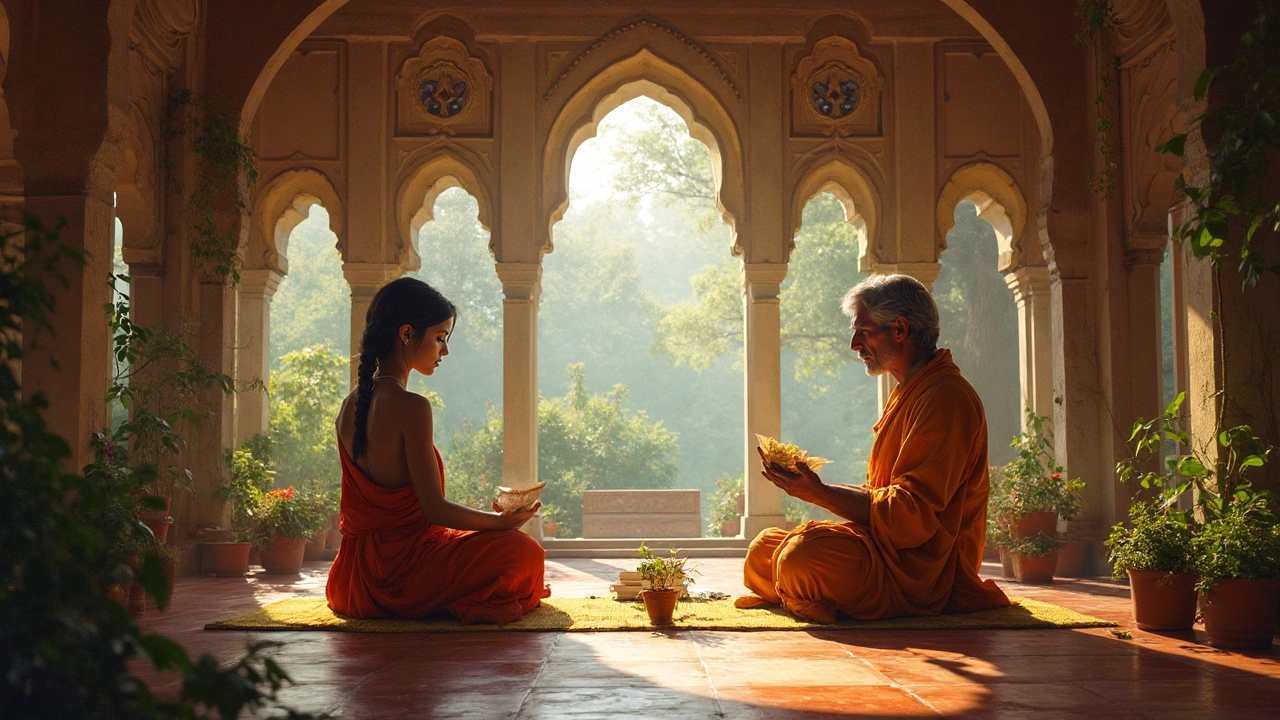
Traditional Medicine: Ayurveda, Herbal Remedies, and Tamil Healing Practices
When people talk about traditional medicine, a system of health practices rooted in centuries-old knowledge, often using plants, minerals, and spiritual rituals. Also known as folk medicine, it’s not just history—it’s still used daily in homes across Tamil Nadu and beyond. Unlike modern medicine that targets symptoms, traditional medicine looks at the whole person: body, mind, and environment. In Tamil culture, this means balancing the three doshas—Vata, Pitta, and Kapha—through diet, herbs, and daily routines. It’s not magic. It’s observation, passed down from grandmothers to grandchildren.
One of the most well-known forms of traditional medicine in India is Ayurveda, a holistic healing system that originated in ancient India and remains deeply tied to Tamil and South Indian life. But Ayurveda isn’t just about turmeric tea or oil massages. It includes complex herbal formulas, detox therapies like Panchakarma, and even dietary rules based on your body type. And yes, there are risks—some Ayurvedic products contain heavy metals like lead or arsenic, and not all practitioners are trained. That’s why knowing what you’re taking matters. You don’t need a doctor’s prescription to buy herbal powders, but you do need to know where they come from.
Then there’s the Tamil side—the local knowledge that doesn’t always make it into textbooks. In rural villages, people still use neem leaves for skin rashes, ginger and honey for coughs, and ashwagandha for stress. These aren’t trends. They’re survival tools, refined over generations. Women in villages often know which plants bloom when, which ones to dry in the sun, and which to brew at dawn. This isn’t folklore—it’s practical pharmacology. And while modern science is starting to test these remedies, millions still trust them because they’ve seen them work.
Traditional medicine doesn’t replace hospitals. But it does fill gaps—when clinics are far, when pills are too expensive, or when someone just wants to feel like their ancestors would’ve handled it. In Tamil households, you’ll find jars of dried herbs on kitchen shelves, oil lamps lit for healing rituals, and elders asking, "Did you eat warm food today?" That’s not superstition. That’s prevention.
What you’ll find in the articles below isn’t a list of miracle cures. It’s the real talk: what works, what’s dangerous, and what’s just misunderstood. You’ll learn why Ayurveda can be risky if you don’t know the source, how Tamil communities blend Diwali with healing rituals, and why some herbal remedies interact badly with prescription drugs. No fluff. No hype. Just what people actually use—and what they’ve learned the hard way.