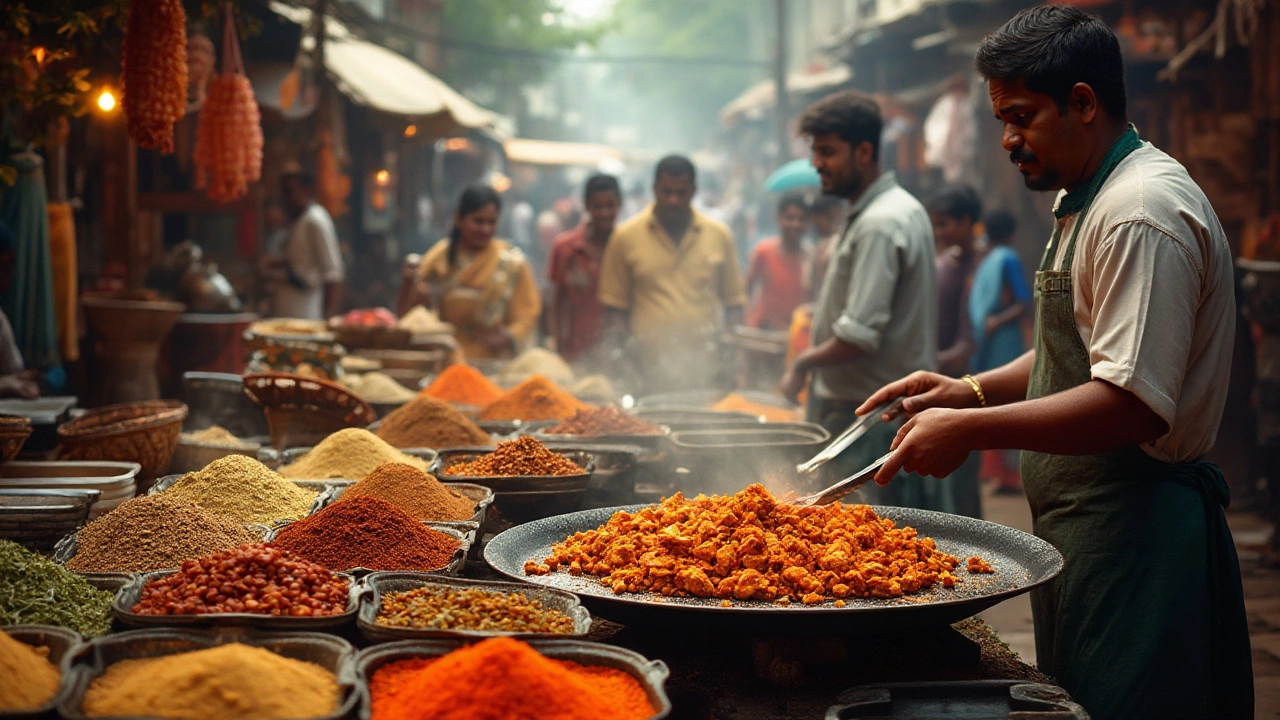
Tamil Nadu Food: Traditional Dishes, Flavors, and Cultural Roots
When you think of Tamil Nadu food, the vibrant, spice-rich culinary tradition of southern India centered in Tamil Nadu. Also known as Tamil cuisine, it's not just about eating—it’s a daily ritual shaped by temple offerings, monsoon cycles, and generations of home cooks. This isn’t bland rice and curry. It’s tangy tamarind stew simmered for hours, crispy dosa, fermented rice and lentil crepes served with coconut chutney and sambar that crackle at the edges, and idli, steamed rice cakes so light they melt in your mouth eaten with breakfast like clockwork. You won’t find blandness here. Every dish carries a story—whether it’s the way villagers use raw mango in summer to cool the body, or how temple kitchens prepare prasadam with exact measurements passed down for centuries.
Tamil Nadu food doesn’t just feed bodies—it holds communities together. The morning sambar, a lentil-based vegetable stew with tamarind, jaggery, and a unique spice blend called sambar powder is never the same twice. Every family has their version. Some add drumsticks, others use pumpkin. Some grind their spices fresh; others rely on store-bought mixes. But no matter the variation, it’s always served with rice, and always eaten with the right hand. That’s not tradition for show—it’s about connection. Even in cities, people still start their day with filter coffee—strong, sweet, and poured from a height to cool it just right. The ritual matters as much as the taste. And don’t forget the sweets: payasam, a creamy rice or vermicelli pudding cooked in jaggery and milk, often offered during festivals and celebrations, is the heartbeat of every wedding and temple feast.
What makes Tamil Nadu food different from other Indian cuisines? It’s the balance. Not too spicy, not too sweet, never overwhelming. The heat comes from green chilies and mustard seeds, not just chili powder. The sweetness? Jaggery, not sugar. The sour? Tamarind, not vinegar. You’ll find no butter or cream here—coconut milk and oil do the heavy lifting. And every meal, even the simplest one, has at least five elements: rice, dal, vegetable, pickle, and yogurt. That’s not fancy. That’s necessity turned into art. What you’ll find in the posts below are real stories—from grandmothers who grind masalas at dawn, to street vendors who’ve been selling pongal for 40 years, to how Diwali in Tamil Nadu means lighting oil lamps and eating sweet rice, not sweets alone. This isn’t a tourist menu. This is life on a plate. Ready to taste it?