Tamil Culinary Traditions
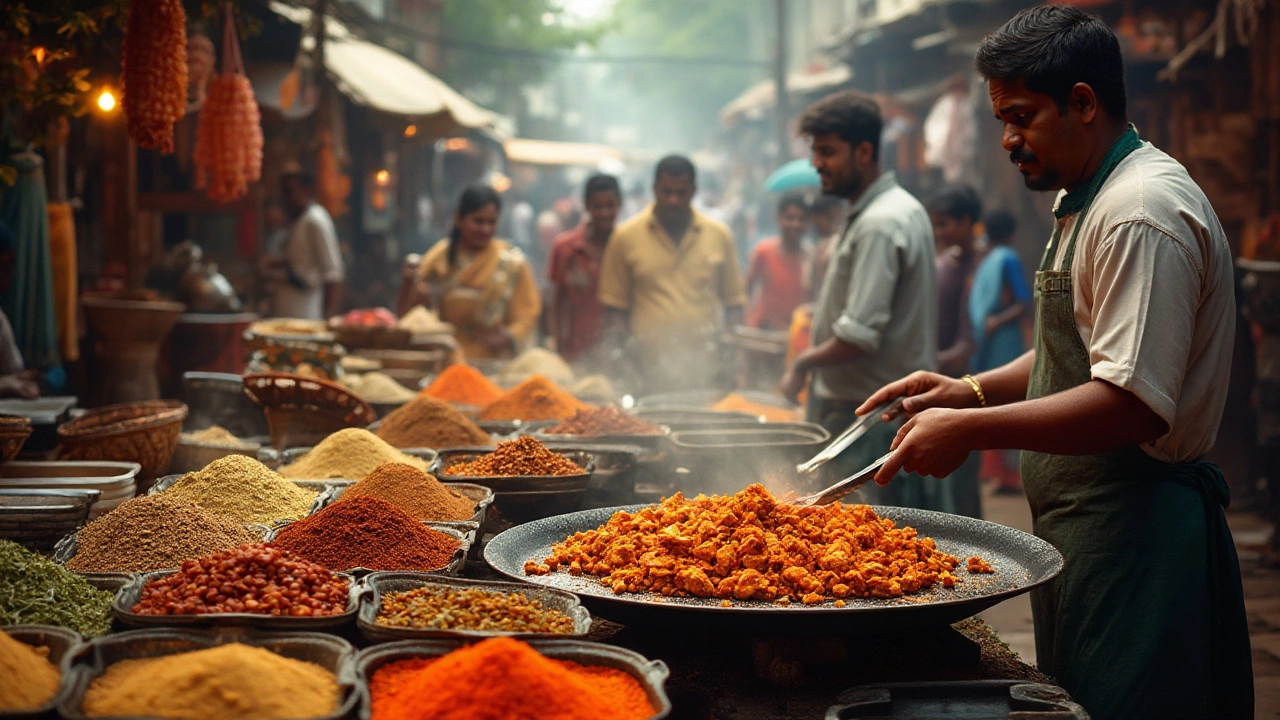
When you think of Tamil culinary traditions, the deep-rooted food practices of Tamil-speaking communities in southern India and beyond. Also known as Tamil Nadu cuisine, it’s not just about spice and flavor—it’s a living archive of rituals, seasons, and family stories passed down through generations. This isn’t fast food or trendy fusion. It’s the rice cooked in clay pots during Pongal, the lentil dumplings fried in sesame oil for temple festivals, the tangy sambar that tastes different in every household. These dishes carry meaning. They’re tied to harvests, prayers, and the rhythm of daily life.
Food in Tamil culture doesn’t exist in isolation. It’s connected to Tamil festivals and food, how religious and seasonal events shape what people eat and when. For example, during Diwali, many Tamils celebrate with Karthigai Deepam, where light and food go hand in hand—sweet pongal, coconut ladoos, and fried snacks fill homes. Meanwhile, Pongal, the harvest festival, centers on the first cooking of the new rice, offered to the sun god before anyone eats. These aren’t just meals. They’re acts of gratitude, coded in ingredients and timing. You’ll also find traditional Tamil dishes, specific recipes passed down through families, often with regional twists. Think of idli and dosa made with fermented rice and black lentils, served with coconut chutney and sambar made from tamarind and dried lentils. In coastal areas, fish curry with curry leaves dominates. In the interior, vegetable stews with jaggery and tamarind balance heat and sweetness. Each dish has a purpose: cooling the body, aiding digestion, or honoring ancestors. Even the way food is served matters—eaten on banana leaves, never on plastic, and always shared from a common plate to reinforce community.
What makes these traditions survive? It’s not tourism or media. It’s mothers teaching daughters how to grind masala by hand, grandfathers insisting on using stone grinders, and elders reminding everyone that the first bite of any meal should be offered to the divine. These aren’t just recipes. They’re memory keepers. In this collection, you’ll find articles that dig into the stories behind these meals—why certain foods are eaten during specific rituals, how Tamil food differs from neighboring cuisines, and what’s being lost as modern life moves faster. You’ll also learn about food taboos, forgotten grains, and how diaspora communities keep these tastes alive overseas. There’s no single ‘Tamil food.’ There are hundreds of versions, each shaped by village, caste, religion, and time. What follows is a curated look at what still matters—and why it still tastes like home.