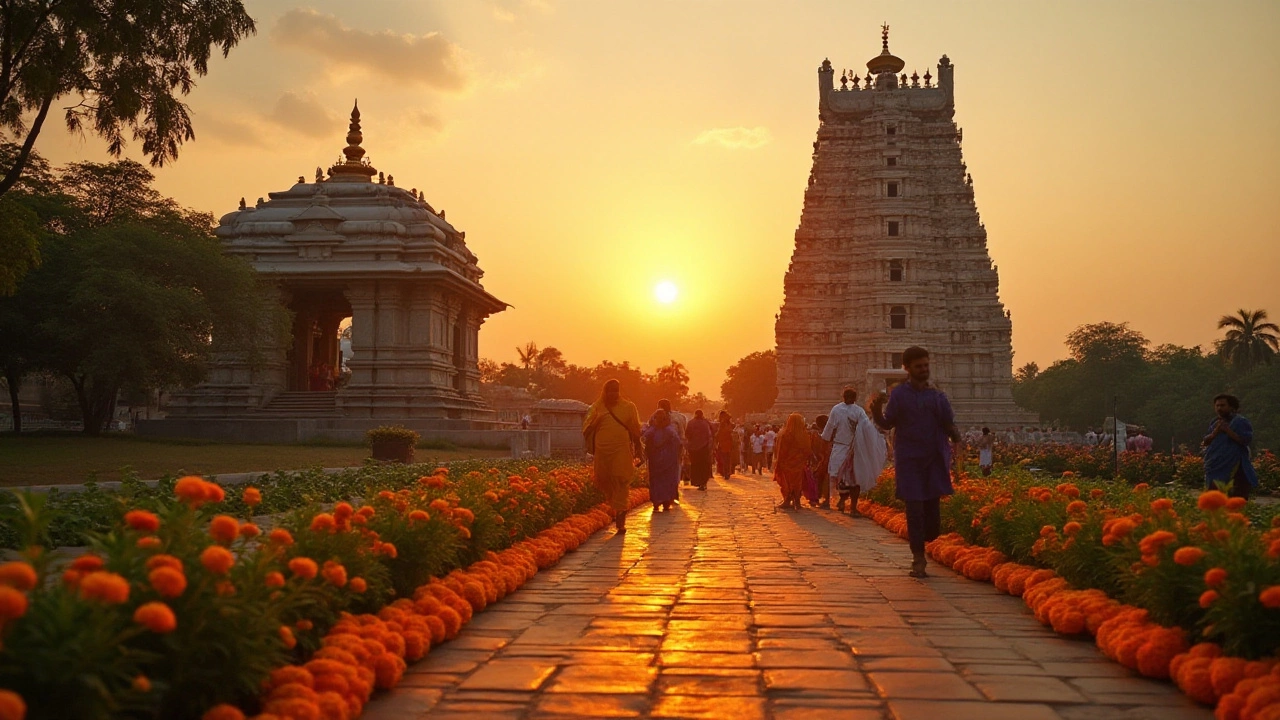
Religious Traditions in Tamil Culture: Festivals, Rituals, and Beliefs
Religious traditions in Tamil culture are woven into everyday life—not just as rituals performed on special days, but as living practices passed down through generations. Religious traditions, the customs, ceremonies, and beliefs that shape spiritual life in a community. Also known as cultural spirituality, they guide how people pray, eat, celebrate, and even mourn. In Tamil Nadu, these traditions blend ancient Vedic rituals with local folk practices, creating a unique spiritual landscape that’s both deeply personal and widely shared.
Take Hindu festivals, major religious celebrations rooted in mythology, agriculture, and seasonal cycles. Also known as temple festivals, they’re not just about worship—they’re community events that bring families together with music, food, and dance. Diwali lights up homes across Tamil Nadu, but it’s often merged with Karthigai Deepam, where oil lamps are lit on hilltops to honor the divine light. Navaratri brings nine nights of devotion to the goddess, while Holi’s colors burst through streets in joyful abandon. These aren’t just holidays—they’re expressions of identity.
Then there’s Ayurveda, a traditional system of medicine based on balance between body, mind, and spirit. Also known as Indian holistic healing, it’s not just about herbal remedies—it’s a daily lifestyle rooted in religious belief. Many Tamil families follow Ayurvedic routines for eating, sleeping, and cleansing because they see health as spiritual purity. You’ll find temple priests recommending turmeric milk for immunity, or elders warning against eating cold food after evening prayers. This isn’t superstition—it’s a faith-based approach to wellness.
Folk rituals are just as powerful. From the rhythmic drumming of Karakattam dancers honoring the rain goddess to the masked performances of Theru Koothu that tell ancient stories of justice and divine wrath, these traditions keep mythology alive. Even something as simple as tying a thread around the wrist before a journey isn’t just luck—it’s a prayer. These aren’t relics of the past. They’re active, breathing parts of Tamil life.
And while global influences creep in, Tamil religious traditions hold strong. You won’t find yoga being practiced as pure exercise in rural villages—it’s still tied to chanting and devotion. You won’t hear people say "I’m spiritual but not religious"—because here, the two are the same thing. The stories, the songs, the foods, the colors—they all point back to a deeper belief system that values harmony over haste.
What you’ll find below is a curated look at how these traditions show up in real life: the myths people believe, the foods they avoid, the dances they perform, and the healing practices they trust. Whether it’s why gods are painted blue, why sweets are given during Diwali, or how Catholic views on yoga clash with Tamil spiritual habits—each article cuts through the noise to show you what really matters to people on the ground.