Rajasthan Handicrafts: Top 5 Famous Crafts Explained
Discover Rajasthan's most famous handicrafts, from vibrant Jaipur Blue Pottery to intricate block printing. Learn about their history, craftsmanship, and where to find authentic pieces today.
When you think of Rajasthan handicrafts, handmade art forms rooted in centuries-old traditions across the deserts and villages of Rajasthan, India. Also known as Rajasthani art, these crafts aren't just decorative—they're tied to identity, religion, and daily life. From the blue-glazed pottery of Jaipur to the intricate embroidery of Bikaner, each piece carries the fingerprints of generations. These aren’t mass-produced items; they’re made by families who’ve learned their skills from grandparents, often using tools and methods unchanged for over 500 years.
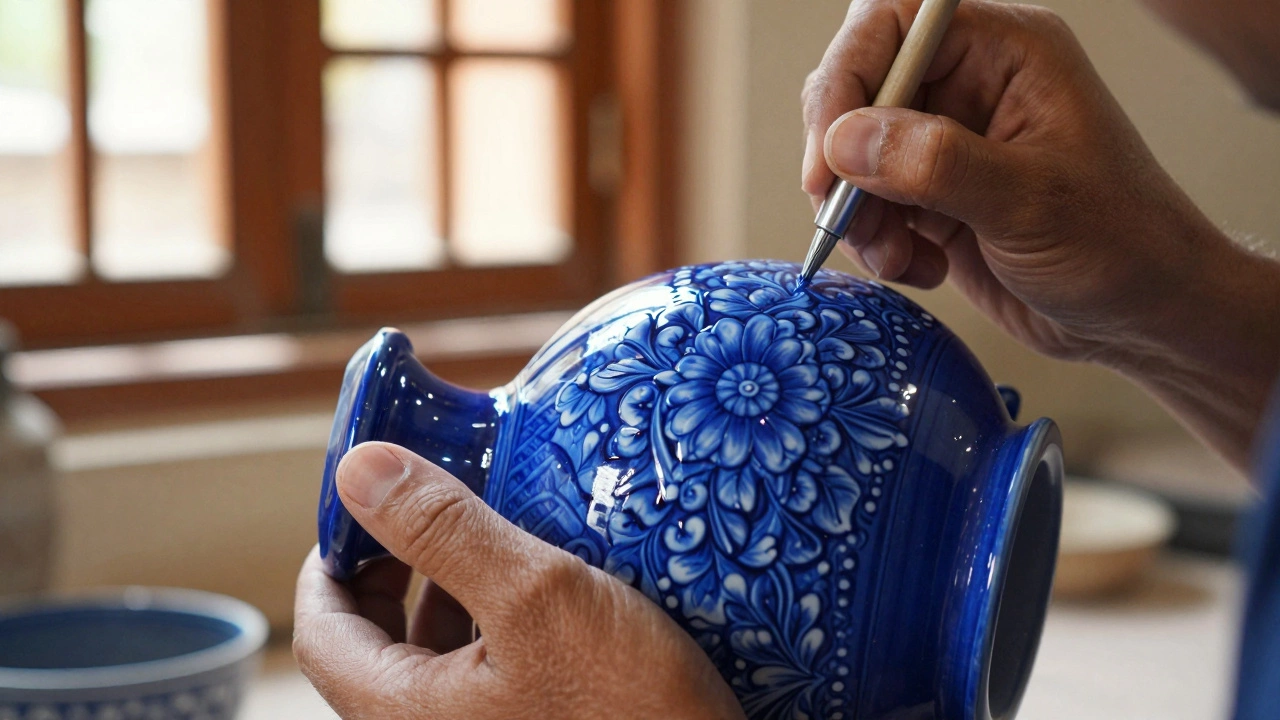
What makes Rajasthan handicrafts special isn’t just their beauty—it’s how deeply they connect to place and person. Block printing, a technique using hand-carved wooden blocks to stamp patterns onto fabric. Also known as bagru print, it’s still done in villages like Sanganer and Bagru, where artisans mix natural dyes from indigo, pomegranate rind, and turmeric. Then there’s blue pottery, a unique ceramic art using quartz, glass, and multani mitti, not clay. Also known as Jaipur blue pottery, it’s found nowhere else in India. These aren’t just crafts—they’re cultural markers. The same women who weave intricate gota patti embroidery on wedding lehengas also make the same patterns on household quilts. The same potters who shape delicate lamps for Diwali also build large storage jars for water in rural homes.
These crafts survive because they’re useful, not just pretty. A khadi shawl keeps out desert nights. A jharokha mirror frame holds a woman’s daily rituals. A hand-painted chowk tile marks the entrance to a home, warding off bad luck. This isn’t museum art—it’s lived-in tradition. And while tourism has brought attention, it hasn’t replaced the real work: the slow, patient hands of artisans who still rise before dawn to grind pigments, spin thread, or carve wood by natural light.
What you’ll find in the posts below isn’t just a list of crafts. It’s a look at who makes them, how they’re made, and why they still matter. You’ll see how these traditions connect to broader Indian culture, how they’ve changed over time, and what’s at risk if we stop paying attention. These aren’t just objects. They’re stories, skills, and survival.
Discover Rajasthan's most famous handicrafts, from vibrant Jaipur Blue Pottery to intricate block printing. Learn about their history, craftsmanship, and where to find authentic pieces today.
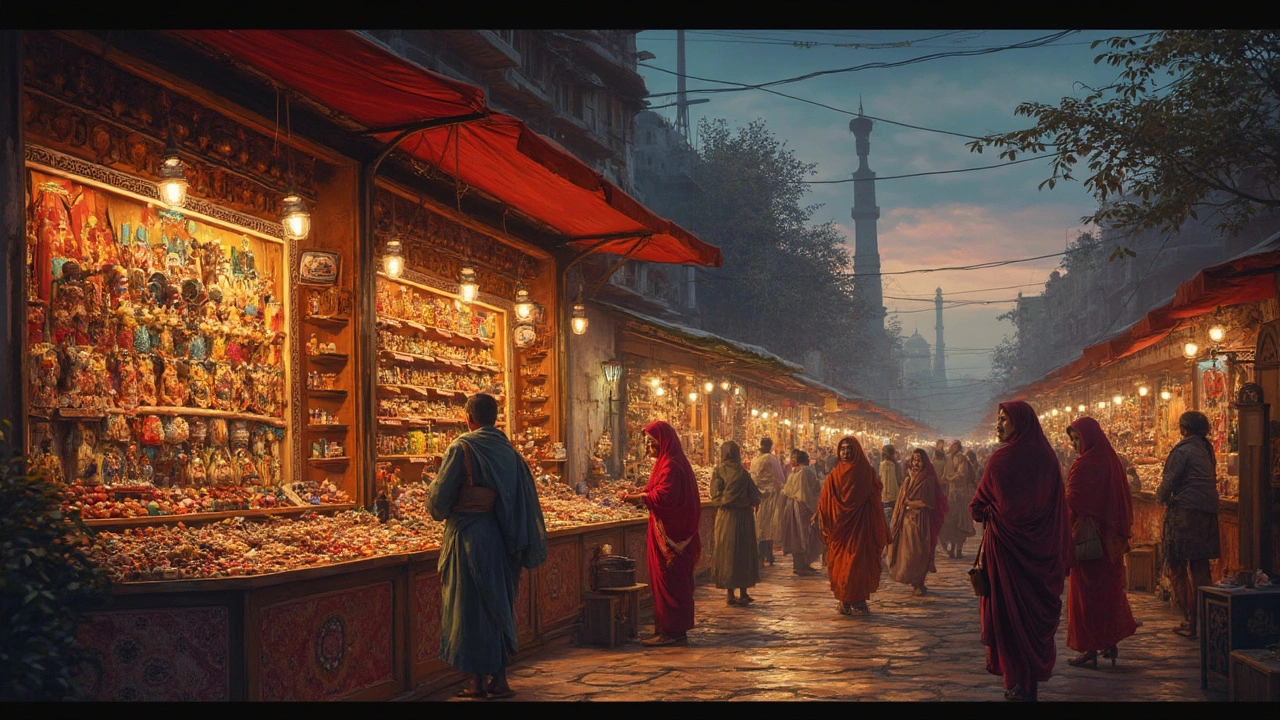
Ever wondered which part of India stands out for its handicrafts? This article explores the states that have made India a global name in handmade arts, from Rajasthan’s lively puppets to Kashmir’s delicate embroidery. Find out what makes each region's crafts unique, cool facts about artisans’ lives, and tips for spotting real handmade items. Perfect read whether you’re a collector or planning your next trip. Dive into the vibrant world of Indian handicrafts.