Punjabi Culture: Music, Language, and Traditions Explained
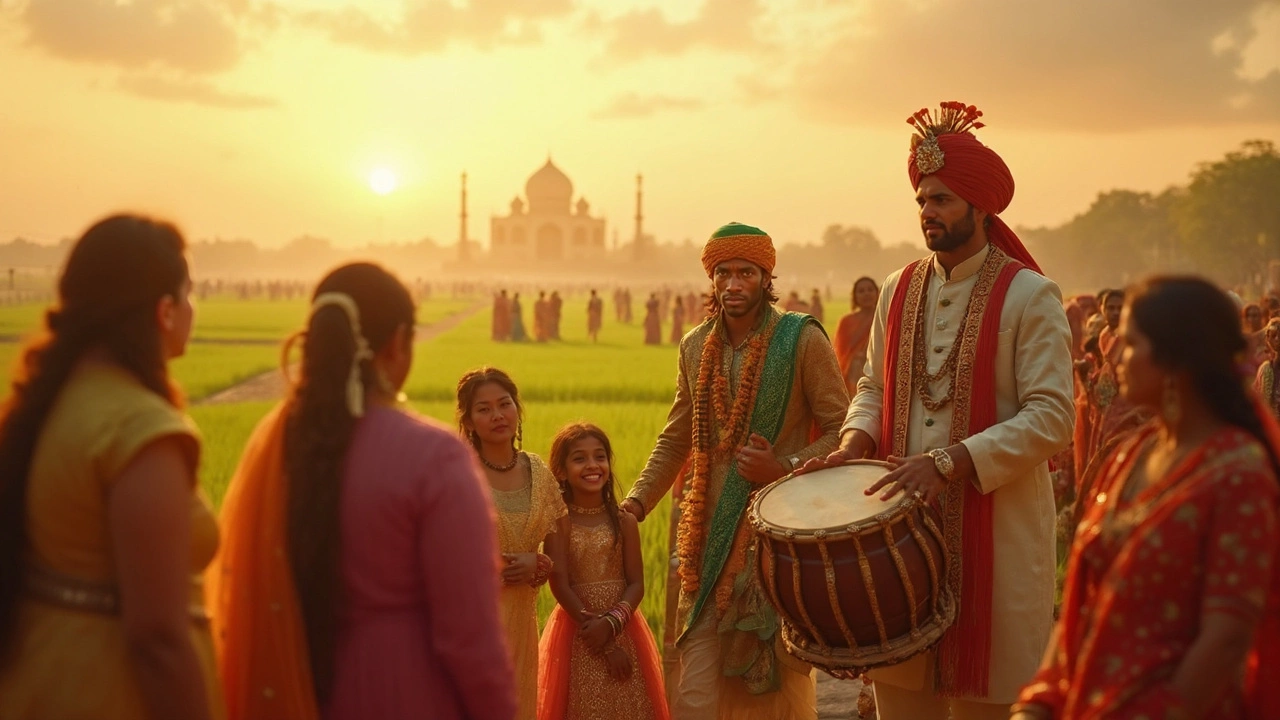
When you think of Punjabi, a vibrant cultural identity rooted in the Punjab region of India and Pakistan, known for its energetic music, distinct language, and strong community traditions. Also known as Punjabi Sikh or Punjabi Hindu culture, it’s not just a regional identity—it’s a living, breathing expression of joy, resilience, and rhythm. Punjabi isn’t just a language spoken by over 100 million people; it’s the heartbeat of festivals, weddings, and daily life. You hear it in the thump of the dhol, the call of the algoza, and the shouted chorus of a Bhangra line. This culture doesn’t wait to be admired—it pulls you in.
Punjabi music, especially Bhangra, a high-energy folk dance and music style that started in Punjab’s farming communities and exploded into global popularity, is more than party music. It’s a cultural archive. The beats mimic the rhythm of sowing and harvesting. The lyrics talk about love, land, and labor. Even when modern producers add electronic drops, the soul stays rooted in village drums and poetic couplets. And it’s not just about dance—Punjabi song, a broad category that includes folk ballads, Sufi poetry set to music, and contemporary pop—is a mirror of Punjabi life. From the haunting melodies of Amrinder Gill to the street-corner qawwalis of old Punjab, every note carries history.
The Punjabi language, written in Gurmukhi script and rich with proverbs, slang, and poetic forms is what binds it all. It’s the language of jokes at family dinners, of prayers in gurdwaras, of love letters passed in markets. It’s not just spoken in India—it echoes in London, Toronto, and Los Angeles, carried by the Punjabi diaspora. And while Hindi and English dominate headlines, Punjabi holds its ground with pride. You’ll find it in wedding invitations, roadside chai stalls, and TikTok videos with millions of views.
What makes Punjabi culture stand out isn’t just the noise—it’s the meaning behind it. The langar at a gurdwara isn’t just free food—it’s equality served on a plate. The wedding rituals aren’t just colorful—they’re centuries-old promises passed down. And the music? It’s not just entertainment. It’s memory, resistance, and celebration rolled into one.
Below, you’ll find articles that dig into the heart of this culture. From what makes a true Punjabi song to how its language shapes identity, you’ll see how tradition and modernity dance together. Whether you’re curious about the instruments, the festivals, or why Punjabi music dominates global playlists, you’ll find real answers here—no fluff, no stereotypes, just the culture as it lives.