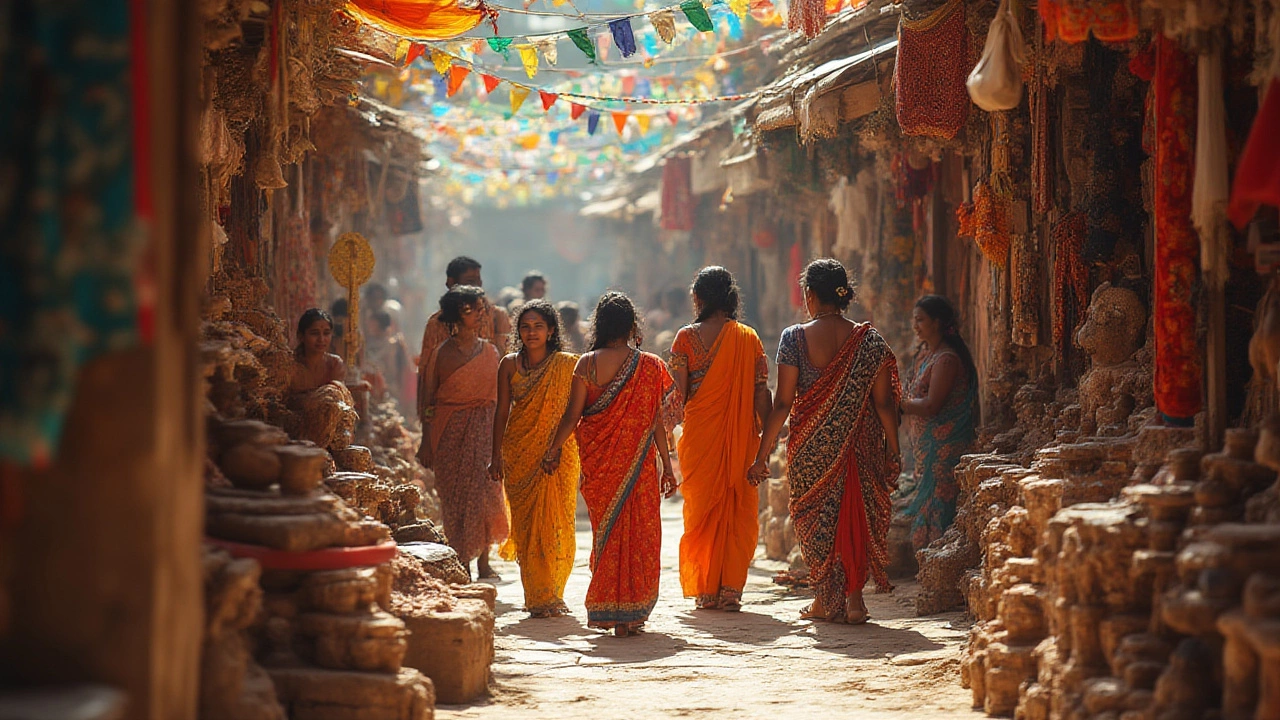
Maharashtra Art: Exploring the Diverse Heritage of Maharashtra Art and Culture
Discover the vibrant world of Maharashtra's art—its folk painting, sculpture, handicrafts, and unique traditions shaped by history, local life, and festive spirit.
When you think of Maharashtra folk art, the colorful, rhythmic, and deeply rooted artistic expressions of western India’s rural communities. Also known as Marathi folk traditions, it includes everything from puppet theater to handwoven textiles, all shaped by centuries of village life, harvest cycles, and spiritual rituals. This isn’t just decoration or performance—it’s storytelling passed down through generations, often without books or teachers, only eyes, hands, and voices.
Maharashtra folk art isn’t one thing. It’s a living web of connected practices. Lavani, a high-energy dance form performed by women in traditional saris, often with drumbeats that shake the ground, carries both joy and social commentary. Warli painting, a minimalist tribal art using dots and lines to depict daily life, rituals, and nature, covers walls in villages across Thane and Dahanu. Then there’s Bhavai, a folk theater where performers balance pots on their heads while dancing and singing stories of gods and peasants. These aren’t museum pieces—they’re still done in fields, during festivals, and at village weddings.
What ties them together? They’re all made by people who don’t call themselves artists. A farmer paints Warli on his wall. A mother sings a Lavanis tune while grinding grain. A boy learns puppetry from his grandfather, not a school. The tools are simple: mud, cloth, bamboo, clay, and voice. The purpose? To remember, to celebrate, to survive. These traditions don’t need global fame to matter—they’ve lasted because they’re woven into the rhythm of everyday life.
Some of these art forms are fading. Others are being revived by young people who see value in their roots. You’ll find posts here that break down how Warli paintings tell stories without words, why Lavani was once banned but now fills city stages, and how puppet shows in Maharashtra still teach kids about morality and history. There are also stories about the instruments used—like the dholki drum, the tuntune string instrument, and the folk flutes made from reeds—that you won’t hear in classical concerts but echo in monsoon fields and village squares.
What you won’t find here are glossy tourist brochures or staged performances. What you’ll find are real voices, real hands, and real traditions—some nearly lost, others quietly thriving. Whether you’re curious about the symbols in Warli art, the meaning behind a folk song’s rhythm, or how a puppet show can make a village laugh and cry in the same breath, the articles below will show you what this art really looks like when it’s lived, not just shown.
Discover the vibrant world of Maharashtra's art—its folk painting, sculpture, handicrafts, and unique traditions shaped by history, local life, and festive spirit.