Kolkata Language Guide: What People Speak in West Bengal’s Capital
Discover the languages spoken in Kolkata, from Bengali and English to Hindi and Urdu, with tips for visitors and a handy language checklist.
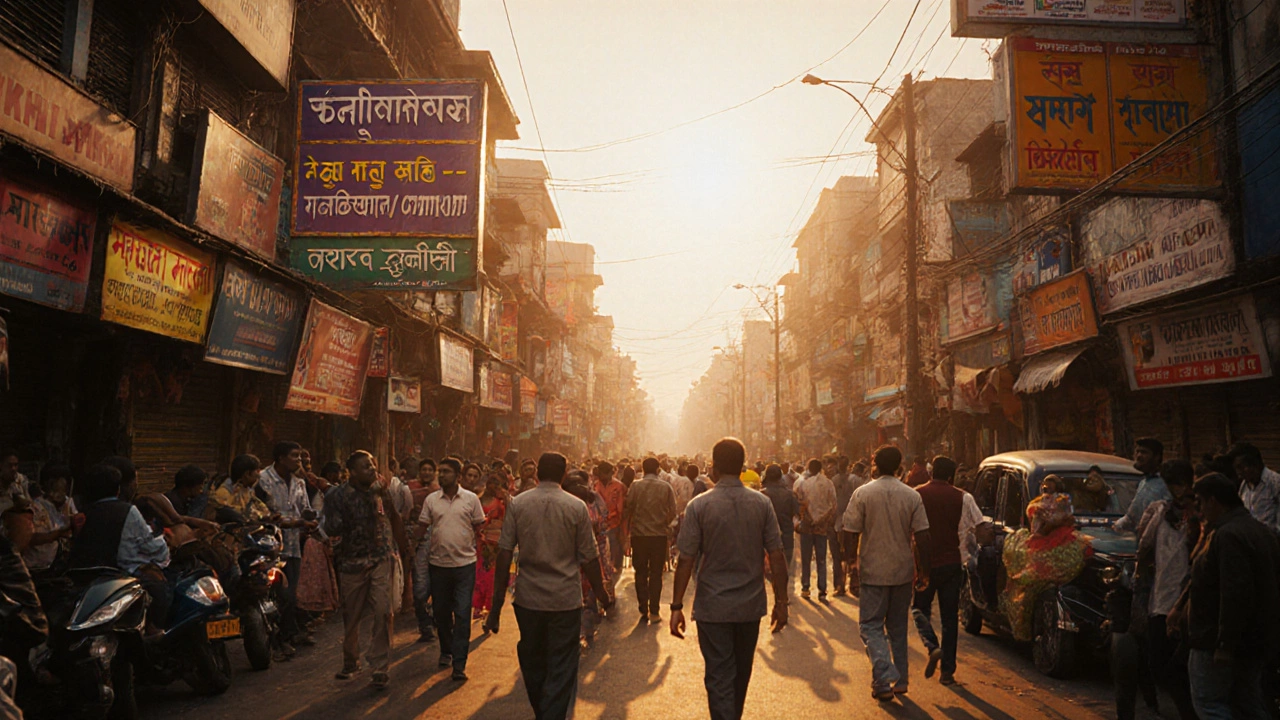
When you think of Kolkata, you probably think of Bengali, the official language of West Bengal and the mother tongue of most residents. Also known as Bangla, it’s the heartbeat of the city—heard in street vendors’ calls, poetry readings, and Sunday family dinners. But if you walk through Park Street or Esplanade, you’ll hear more than just Bengali. Hindi, English, Tamil, Urdu, and even Nepali blend into everyday conversations. Kolkata isn’t just a Bengali city—it’s a crossroads of India’s linguistic landscape.
Why does Tamil show up here? Because thousands of Tamil families have lived in Kolkata for generations, working in factories, running small businesses, and sending their kids to local schools. You’ll find Tamil signs in Tollygunge, hear Tamil songs in temple festivals, and spot Tamil-speaking shopkeepers in Burrabazar. It’s not a recent trend—it’s history. Meanwhile, Hindi isn’t just the language of Bollywood; it’s the common tongue between Bengalis and migrants from Uttar Pradesh, Bihar, and Delhi. And English? It’s the language of universities, corporate offices, and middle-class homes where parents push their kids to speak it fluently. These aren’t just languages—they’re identities, tools, and bridges.
What you won’t find is a single, clean language map. In Salt Lake, you might hear a grandmother speak Bengali to her grandchild while the child answers in English. In Howrah, a Tamil vendor might haggle in Hindi with a customer from Rajasthan. Even street food stalls have multilingual menus. This isn’t chaos—it’s normal. Kolkata’s language mix reflects its history as a colonial port, a hub of migration, and a center of education. People don’t choose one language—they use what works, when it works. And that’s what makes this city’s speech so alive.
If you’re visiting or moving to Kolkata, you don’t need to master Bengali to get by—but you’ll understand the city better if you try. Listen for how people switch between languages mid-sentence. Notice how older folks use Bengali for emotion, English for paperwork, and Hindi for bargaining. You’ll find stories in these shifts. Below, you’ll read real accounts of how people live with these languages—not just speak them. From Tamil families keeping their heritage alive to students learning Hindi for jobs, these are the voices that make Kolkata’s language scene unforgettable.
Discover the languages spoken in Kolkata, from Bengali and English to Hindi and Urdu, with tips for visitors and a handy language checklist.