Indian Wedding Traditions: Customs, Rituals, and Regional Variations
When you think of an Indian wedding tradition, a vibrant, multi-day celebration rooted in religion, family, and regional identity. Also known as Hindu marriage rituals, it's not just one thing—it’s dozens of unique practices shaped by language, caste, and geography. A wedding in Tamil Nadu looks nothing like one in Punjab, and both are worlds apart from what you’ll see in a Christian Tamil family in Chennai or a Muslim wedding in Lucknow. These aren’t just performances—they’re living systems of belief, passed down through generations, where every step, song, and color carries meaning.
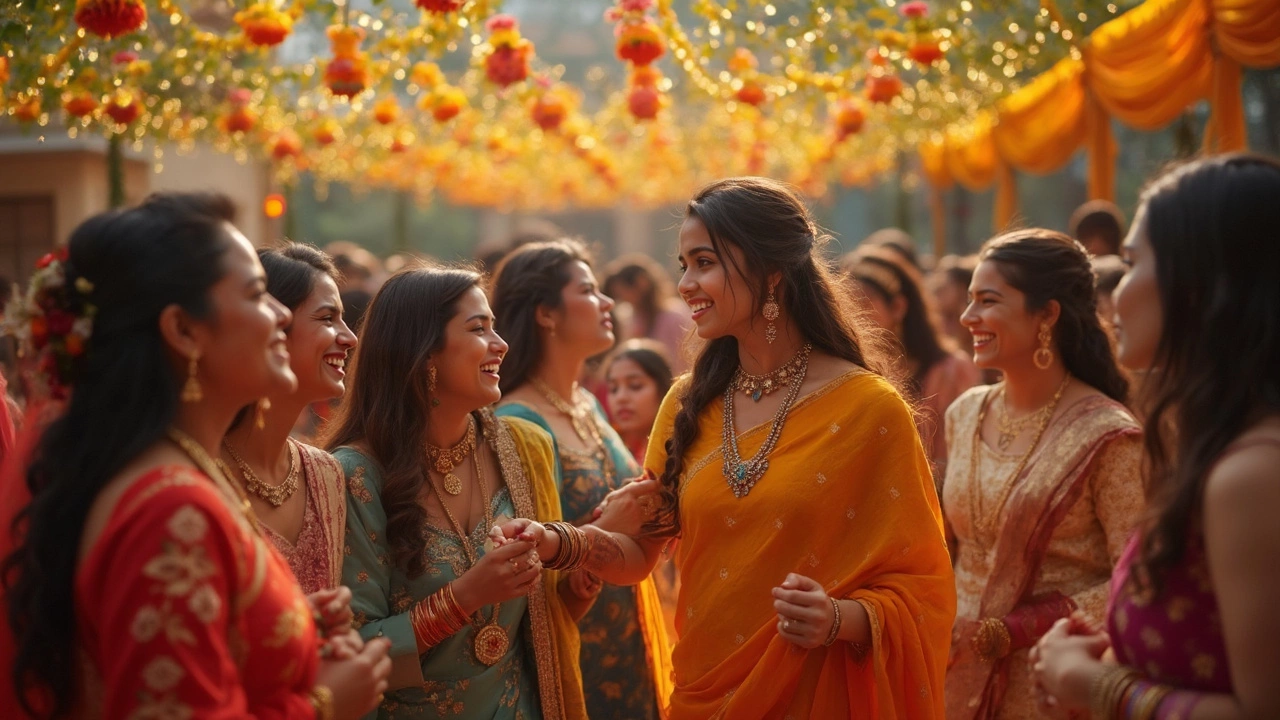
Take the Saptapadi, the seven steps taken together by the bride and groom around the sacred fire, symbolizing their shared vows. This is central to most Hindu weddings, but in Tamil culture, it’s called Saptapadi too, yet the rituals before and after it—like tying the thaali or mangalsutra—are deeply tied to local customs. Meanwhile, in North India, the baraat, the groom’s lively procession on horseback or in a decorated car, often led by dancing relatives and dhol players turns the whole street into a party. The bride’s side has its own rituals: in Bengal, the gaye holud, a turmeric ceremony where family members apply paste to the bride and groom is a joyful, messy event. In Tamil households, the Muhurtham, the exact moment chosen by an astrologer for the main ceremony is treated like a sacred deadline—everything stops until it arrives.
What ties them all together? Family. No matter the region, weddings are about uniting not just two people, but two clans. Food, music, and even the clothes worn—like the red and gold silk of a Tamil bride or the lehenga of a Punjabi bride—are expressions of identity. And while modern couples might skip a few rituals, the core ones stick because they’re not just traditions—they’re emotional anchors. You’ll find stories here about how Diwali overlaps with wedding season in some parts of India, how Tamil communities blend Karthigai Deepam lights into their ceremonies, and why some families still refuse to use electric lights during certain rites. This collection dives into those details: the forgotten steps, the regional twists, the real reasons behind the rituals you see on social media. Whether you’re planning a wedding, researching culture, or just curious why Indian weddings last days instead of hours, you’ll find answers here—not myths, not stereotypes, but the lived practices of real families across India.