Indian Girls Dress: Traditional Styles, Regional Variations, and Modern Trends
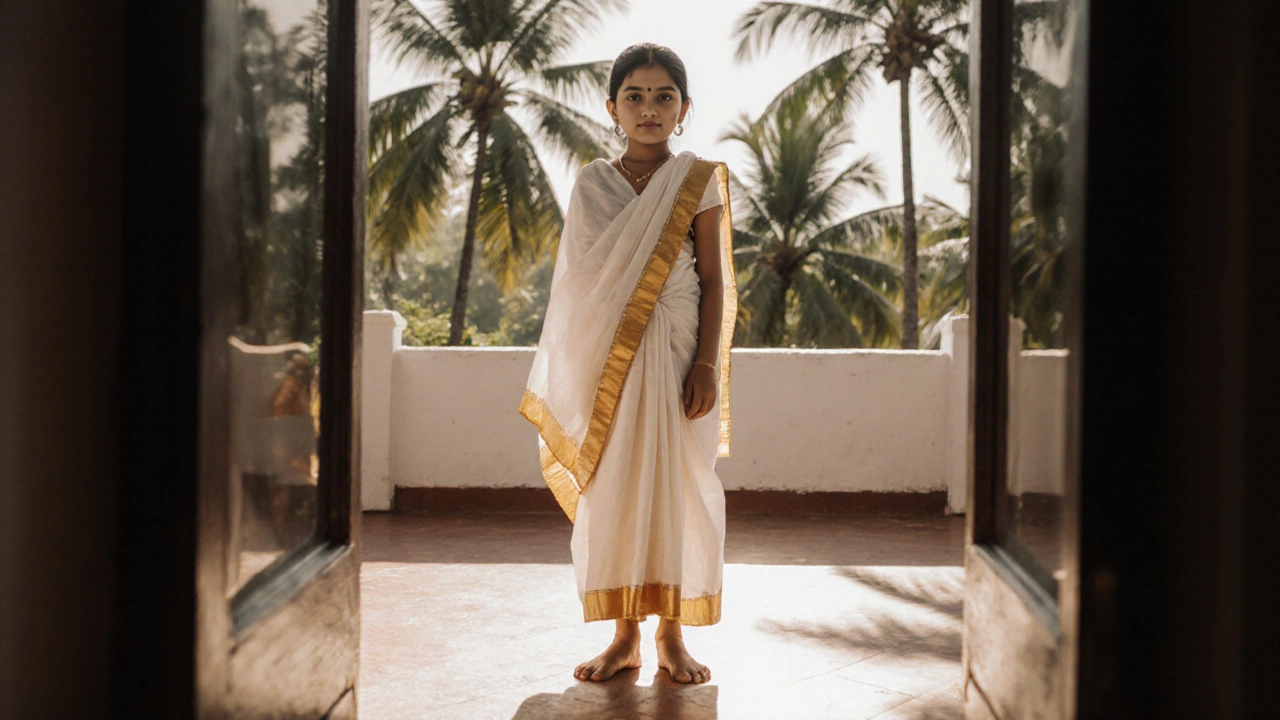
When you think of Indian girls dress, the colorful, layered clothing worn by young women across India that reflects regional identity, religious customs, and evolving fashion. Also known as ethnic Indian attire, it’s not just fabric—it’s heritage stitched into every thread. From the flowing sarees of Tamil Nadu to the bright lehengas of Rajasthan, what an Indian girl wears isn’t random. It’s tied to where she’s from, what she believes in, and sometimes, what her grandmother insisted on.
There’s no single way Indian girls dress. In Tamil Nadu, girls often wear silk sarees with gold zari borders for festivals like Pongal, draped in the classic Madurai style with a pleated front and tucked-in pallu. In Punjab, it’s all about the colorful salwar kameez with heavy embroidery and dupattas that flow like wind. In Maharashtra, the nauvari saree—worn without pins, wrapped in nine yards—is still common among young women during weddings and temple visits. And in the Northeast, tribal prints, bamboo jewelry, and wraparound skirts tell stories older than the state borders themselves. Each style carries meaning: colors signal marital status, fabrics reflect climate, and embroidery patterns pass down family symbols.
It’s not all tradition, though. Today’s Indian girls are mixing old and new. A student in Chennai might wear a cotton saree to school, then switch to a crop top and high-waisted skirt for dinner with friends. Designers are blending Kanchipuram silk with Western cuts. Streetwear brands are printing temple motifs on hoodies. Even the way sarees are draped is changing—some now wear them like skirts, others as tunics. But the core stays: clothing still connects girls to their roots. Whether it’s a simple cotton frock for Diwali or a silk lehenga for a wedding, the choice of dress still says, I belong here.
What you’ll find below is a collection of real stories, cultural insights, and practical observations about how Indian girls dress—not as a stereotype, but as living, breathing tradition. You’ll see how festivals shape outfits, how rural styles influence city trends, and why some girls choose to wear their heritage proudly while others reinvent it. This isn’t about fashion magazines. It’s about real girls, real clothes, and the quiet power of what they wear every day.