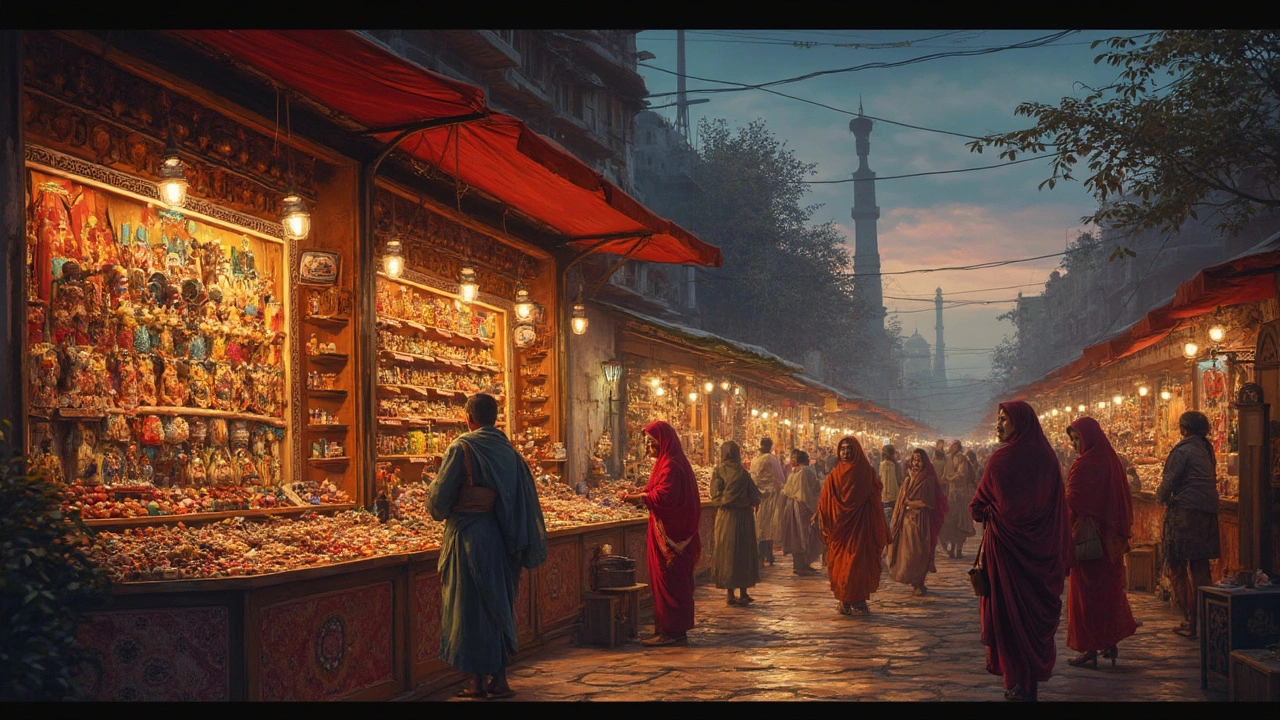
Indian Artisans: Masters of Craft, Tradition, and Living Heritage
When you think of Indian artisans, skilled craftspeople who create handmade goods using generations-old techniques passed down in families and communities. Also known as handicraft workers, they are the quiet backbone of India’s cultural identity. These aren’t just makers—they’re storytellers, keepers of memory, and living libraries of regional identity. From the intricate zari work in Banarasi silks to the clay pots shaped by Tamil potters using the same wheel their grandparents did, every object they make carries history, ritual, and pride.
Indian artisans don’t work in isolation. Their craft ties directly to folk art, visual and decorative traditions rooted in local rituals, festivals, and daily life. Think of the Kolam patterns drawn at doorsteps in Tamil Nadu, or the Warli paintings that turn village walls into narrative canvases. These aren’t decorations—they’re acts of devotion, seasonal markers, and community identity. And they’re deeply connected to traditional crafts, skills like wood carving, handloom weaving, and metal casting that have survived centuries despite industrialization. In Tamil Nadu alone, artisans still make bronze idols using the lost-wax method described in ancient texts, while in Rajasthan, block printers use wooden stamps carved by hand to create fabrics worn during weddings and fairs.
What makes these artisans different from factory workers? It’s the intention. Every stitch, every stroke, every kiln firing carries meaning. A Tamil Nadu artisan making a Karakattam pot doesn’t just shape clay—they’re building a vessel for ritual dance. A weaver in Assam doesn’t just thread silk—they’re weaving stories of the Mishing community into fabric. These aren’t products you buy. They’re pieces of a culture still breathing, still changing, still resisting being erased by mass production.
You’ll find their work in Diwali sweets boxes wrapped in hand-printed paper, in the bells worn during temple dances, in the wooden toys passed down to children. And yes—some of them are the same hands that made the instruments for Carnatic music, or carved the frames for temple chariots in festivals that last 15 days. Their skills are tied to language, religion, and rhythm. They don’t need a degree to be experts. Their apprenticeship begins at age six, watching their mother or uncle’s hands move with quiet precision.
There’s no single story of the Indian artisan. There are thousands—each tied to a village, a river, a harvest cycle, a god. Some struggle to survive. Others are finding new audiences online. But all of them hold something irreplaceable: the proof that culture isn’t just written down. It’s made—with sweat, patience, and love.
Below, you’ll find articles that uncover the hidden lives of these makers—their tools, their rituals, the festivals they shape, and the forgotten crafts still alive in corners of India most tourists never see.