High Culture: What It Really Means in Tamil and Indian Traditions
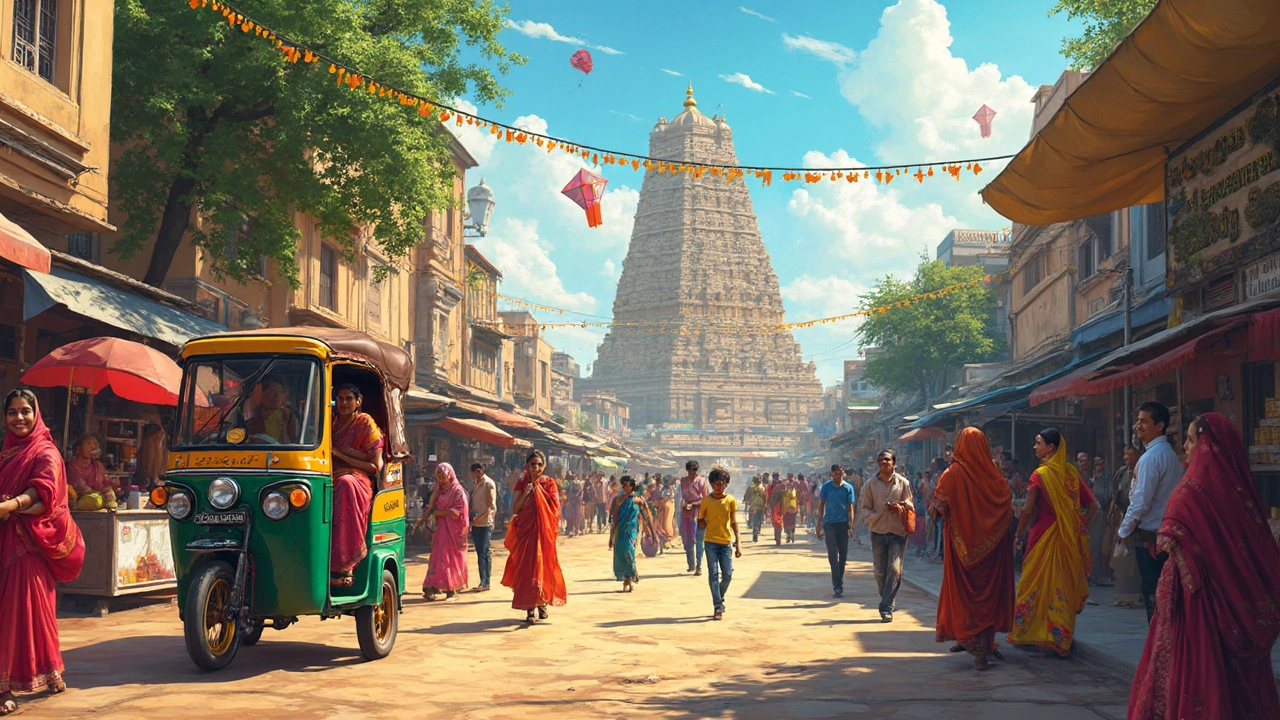
When people say high culture, the refined arts and traditions valued by elite institutions. Also known as elite culture, it's often thought to mean opera, classical painting, or Western literature. But in India, especially in Tamil Nadu, high culture lives in the rhythm of a Karakattam dancer, the drone of a veena, and the chants of temple priests. It’s not about who gets invited to a gala—it’s about what’s been passed down for centuries with care, precision, and spiritual weight.
Carnatic classical music, a highly structured South Indian musical system rooted in devotion and mathematical precision isn’t just entertainment—it’s a living scripture. The same way a monk might chant prayers, a vocalist repeats a raga to align mind and spirit. This isn’t performance for applause; it’s practice for presence. And folk traditions, the unfiltered, community-based arts of rural India like Theru Koothu or Puliyattam? They’re not lowbrow. They’re the raw, emotional foundation that feeds the whole system. These dances tell stories of gods and ghosts, harvests and floods, in ways books never could.
High culture here doesn’t exclude the people—it includes them. Diwali sweets aren’t just sugar; they’re symbols of abundance and shared joy. The blue skin of Krishna isn’t artistic license; it’s a cosmic statement. Even nonsense singing, called bol banao, a rhythmic, wordless vocal tradition in Indian folk music, carries meaning. It’s not random—it’s emotional math. You don’t need a degree to understand it. You just need to listen.
What you’ll find in these posts isn’t a list of fancy things. It’s the truth behind what people call high culture: the rituals that hold communities together, the songs that outlast empires, and the symbols that mean more than they say. From the temple bells of Tamil Nadu to the folk dances of rural villages, this isn’t elitism—it’s endurance. And it’s all still alive.