Folk Vocal Traditions: The Raw, Living Songs of Tamil Communities
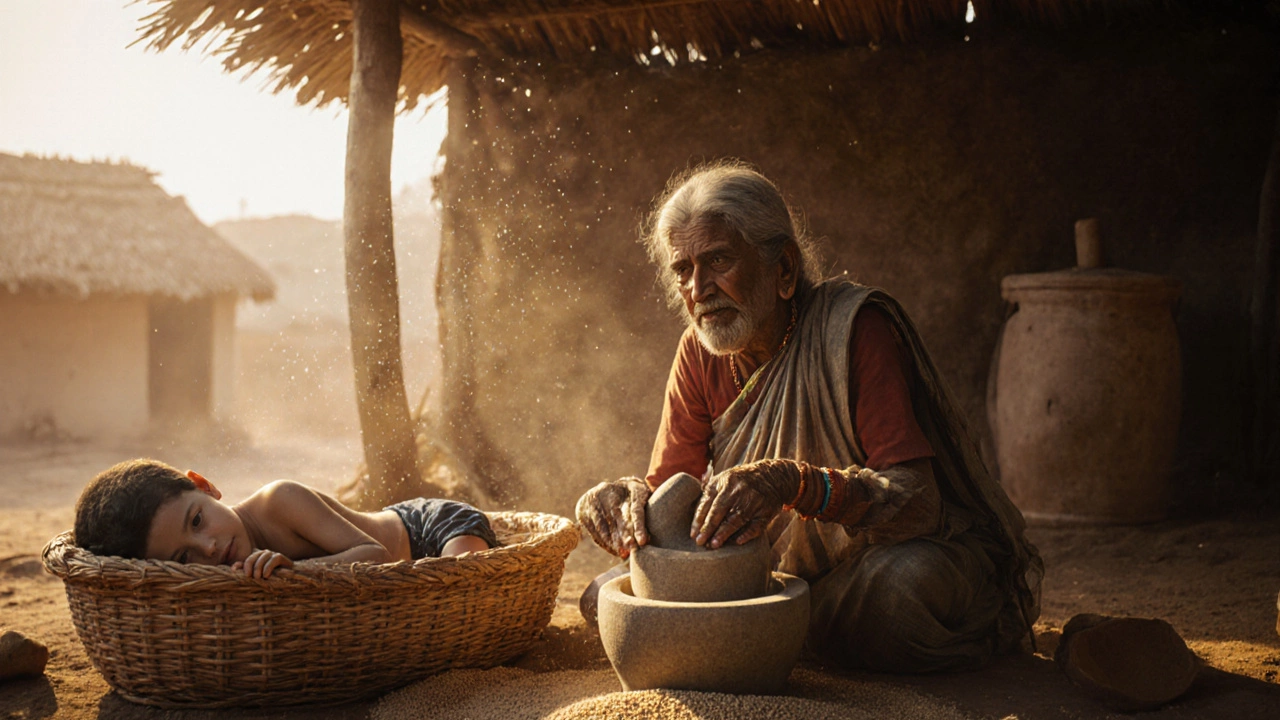
When you hear an old woman singing while grinding rice in a Tamil village, or a group of men chanting during a Theru Koothu performance, you’re listening to folk vocal traditions, unwritten songs passed down orally across generations, carrying the heartbeat of Tamil rural life. These aren’t polished studio recordings—they’re raw, real, and deeply tied to daily work, rituals, and shared memory. Unlike classical Carnatic music, which follows strict ragas and notation, folk vocal traditions, a living form of expression rooted in community and place thrive on improvisation, local dialects, and emotional honesty. They don’t need instruments to be powerful—just a voice, a rhythm, and a group that knows the words by heart.
These songs are tied to Tamil folk music, the unrecorded, community-driven soundscapes of rural Tamil Nadu, where every season, harvest, wedding, and funeral has its own tune. You’ll hear oral storytelling, the practice of passing down myths, history, and moral lessons through song in Karakattam performances, where singers weave tales of gods and ghosts while dancers balance pots on their heads. In fishing villages, you’ll find devotional singing, songs offered to local deities like Aiyanar or Mariamman, blending prayer with rhythm to ask for protection, rain, or good catches. These aren’t performances for tourists—they’re necessities, rituals, and emotional outlets wrapped in melody.
What makes these traditions survive isn’t fame or money—it’s repetition. A grandmother teaches her granddaughter a lullaby she learned from her own mother. A farmer hums a work song that’s been sung for 200 years. These songs don’t change because they’re not meant to be perfect—they’re meant to be remembered. And that’s why they still exist, even as phones and radios flood the countryside. You won’t find them on Spotify, but you’ll hear them in the quiet moments between rain and harvest, in the voices of people who still believe songs hold power.
Below, you’ll find articles that dig into these voices—their origins, their meanings, and the people who keep them alive. From the chants of temple singers to the call-and-response tunes of field workers, these posts show you how Tamil folk vocal traditions aren’t relics. They’re breathing, changing, and still speaking.