First Artist: Who Were the Earliest Tamil Artists and What Did They Create?
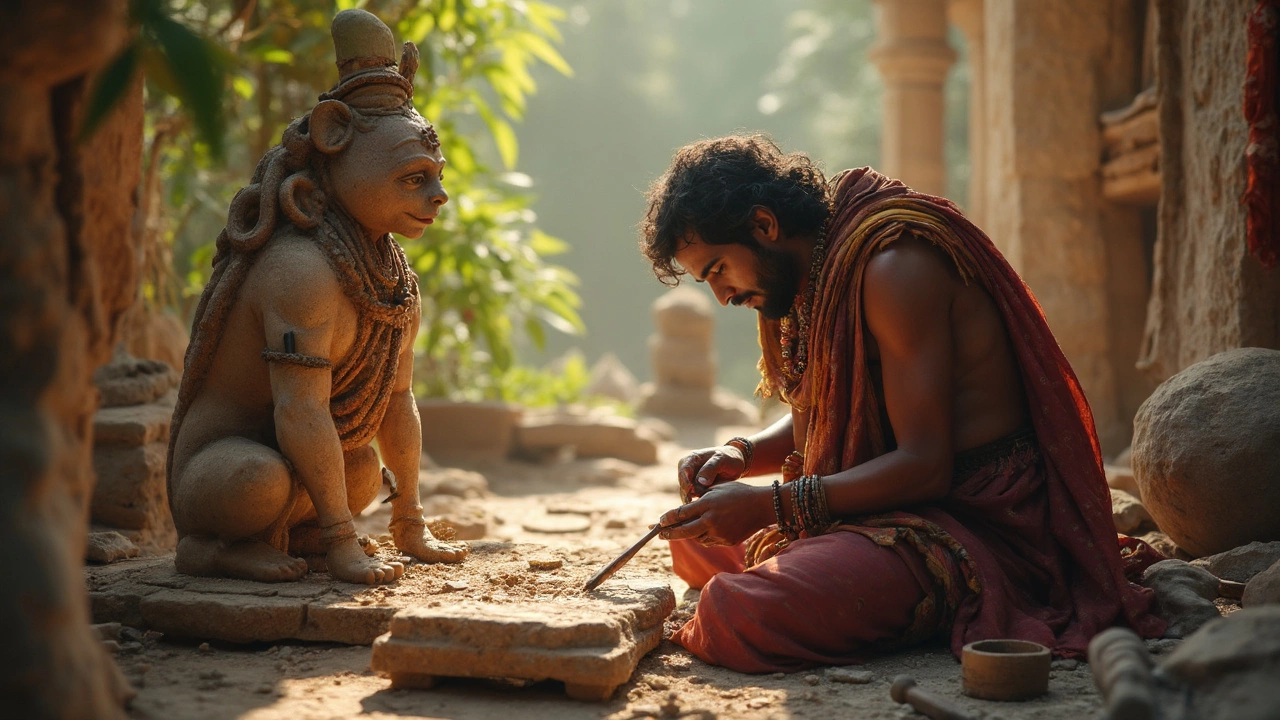
When we talk about the first artist, the earliest creators of visual and performing traditions in Tamil culture, we’re not looking for a single name. There’s no signed mural or recorded performance from 3,000 years ago. But we do know who they were—rural craftsmen, temple sculptors, wandering bards, and mothers teaching songs to their children. These were the true first artists of Tamil Nadu, shaping a culture that still sings, dances, and carves with the same heartbeat.
Their work wasn’t made for galleries. It was carved into temple walls, painted on village floors during festivals, and sung in fields to mark the seasons. The Tamil folk traditions, oral and visual practices passed down through generations in rural Tamil Nadu like Karakattam and Theru Koothu didn’t need written records. They lived in rhythm and movement. These aren’t just performances—they’re living archives. And they’re still alive today, carried by people who don’t call themselves artists, but who keep the old ways alive.
What did these early creators make? Stone statues of gods with blue skin, echoing cosmic power. Clay pots shaped like animals for village rituals. Songs with nonsense syllables—bol banao, a rhythmic vocal tradition in Indian folk music using wordless syllables—that held more meaning than any lyric could. They didn’t need fame. Their art was part of daily life: a prayer, a harvest celebration, a child’s lullaby. The South Indian heritage, the deep-rooted cultural practices of Tamil and neighboring regions didn’t begin with museums. It began with hands—dirty, skilled, and devoted.
Today, we look at ancient sculptures and call them masterpieces. But back then, they were just what people did. No one asked, "Who is the first artist?" because everyone was one. The real question isn’t who started it—it’s how it never stopped. And that’s what you’ll find in the posts below: stories of creators who never sought the spotlight but shaped the soul of a culture. From temple carvings to folk songs, from forgotten rituals to living dances, these aren’t just historical footnotes. They’re the foundation of everything Tamil art is today.