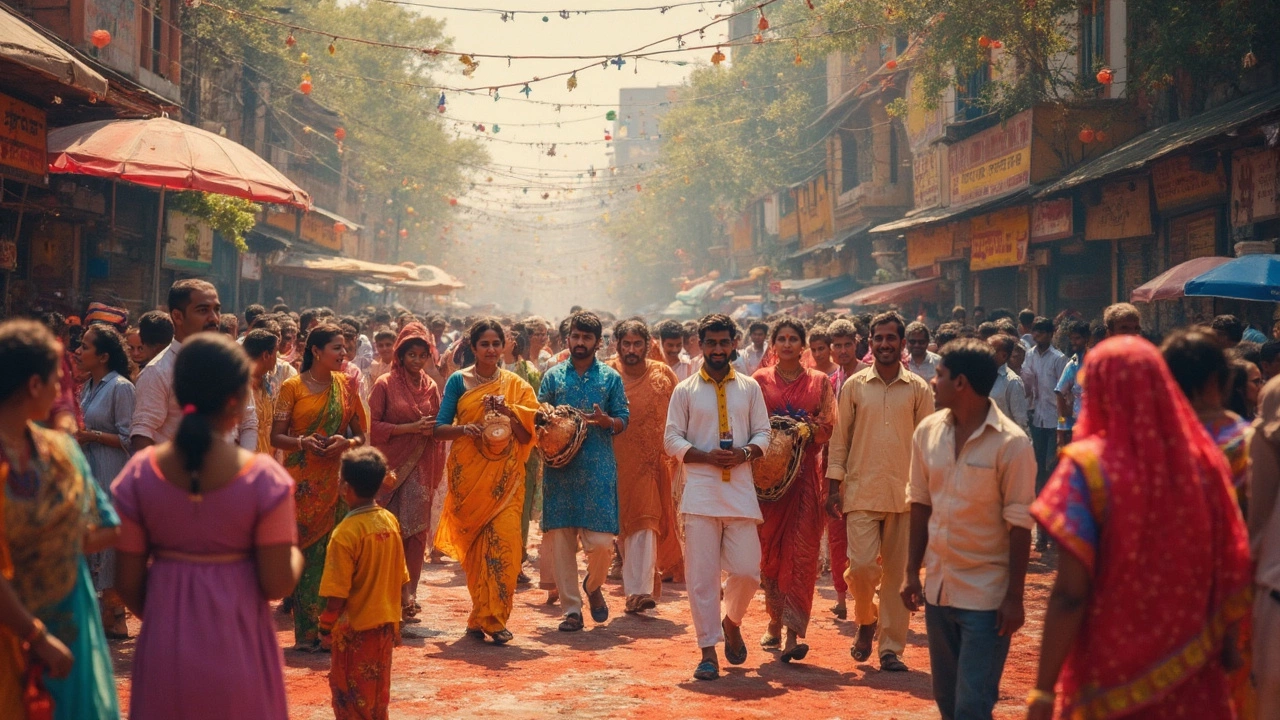
Cultural Richness of India: Traditions, Diversity, and Heritage Facts
Get into the heart of India's cultural richness with real-life stories, facts, and easy tips to discover the traditions, people, and celebrations that make the country special.
When we talk about the cultural richness of India, the deep, layered, and ever-evolving tapestry of traditions, beliefs, and expressions that shape daily life across the country. Also known as Indian heritage, it’s not just about ancient temples or classical dance—it’s in the rhythm of a village folk song, the smell of sweets during Diwali, and the quiet devotion of a temple ritual in Tamil Nadu. This isn’t a single story. It’s hundreds of them, stitched together by language, faith, and local customs that vary from one village to the next.
Take Indian festivals, celebrations tied to seasons, gods, and community history that bring people together in color, music, and food. Also known as Hindu holidays, they’re not just religious events—they’re cultural anchors. Diwali lights up homes from Delhi to Chennai, while Navratri stretches over 15 days in some regions, with dances like Garba and Karakattam telling stories without words. And while many assume all of India celebrates the same way, Tamil communities blend Diwali with Karthigai Deepam, turning oil lamps into acts of ancestral memory. Meanwhile, Bengali people honor Durga Puja with massive idols and street feasts, proving that even under the same umbrella, each region has its own heartbeat. This same diversity shows up in music: Indian classical music, two distinct systems—Hindustani in the north, Carnatic in the south—that evolved separately but share ancient roots. Also known as South Indian music, Carnatic music thrives in temple courtyards with intricate ragas and devotional lyrics, while Hindustani absorbed Persian influences and became the sound of royal courts. Neither is "better"—they’re just different expressions of the same spiritual longing.
Then there’s the quieter, older layer: Tamil folklore, the myths, songs, and rituals passed down orally for generations in Tamil Nadu. Also known as Tamil cultural heritage, it includes Puliyattam (tiger dance), Theru Koothu (street theater), and the haunting, wordless singing called bol banao—where rhythm replaces language to carry emotion. These aren’t tourist shows. They’re living traditions, practiced in fields and village squares, kept alive by grandmothers and schoolchildren alike. Even the food carries meaning: India’s food taboos in India, unwritten rules about what not to eat based on religion, caste, or region. Also known as Indian dietary customs, they tell you more about identity than any textbook. In some places, onions are avoided during religious days; in others, beef is unthinkable. These aren’t restrictions—they’re bonds.
What ties all this together? Not a government decree or a national holiday. It’s the quiet, daily act of remembering—lighting a lamp, singing a lullaby in an old dialect, sharing sweets with a neighbor. The cultural richness of India doesn’t live in museums. It breathes in the laughter of a Holi party, the silence of a temple bell, the clatter of a folk dancer’s ankle bells. Below, you’ll find real stories from real people who keep these traditions alive—not as relics, but as living, breathing parts of who they are today.
Get into the heart of India's cultural richness with real-life stories, facts, and easy tips to discover the traditions, people, and celebrations that make the country special.